Written by Herman S. Sidhu, LL.B.
Speak with
a lawyer today
We’re here to guide you, answer your questions, and take responsibility for the process from the very beginning.
You don’t have to figure it out alone.
Suite 301, 300 Manning Road N.E.
Calgary, Alberta, T2E 8K4
Fri: 8 AM – 2 PM
Sat – Sun: Closed
+1 403-262-0262
info@yplaw.ca
We’ll review your case within 24 hours
The whiplash settlement cap Alberta applies only to minor injuries and only to pain-and-suffering damages. Many whiplash claims legally exceed the cap when symptoms persist, worsen, or interfere with daily life.
This article explains how Alberta’s cap works in 2026, when it applies, when it doesn’t, and how injured Albertans protect their right to full compensation.
Whiplash Settlement Cap Alberta
The whiplash settlement cap Alberta exists to limit compensation for pain and suffering in cases classified as minor injuries. What often gets lost is how narrow that limit actually is. The cap applies only to general damages, not to the total value of a personal injury claim, and only when strict legal criteria are met.
In Alberta, the cap was introduced as part of insurance reform following rising auto insurance premiums. Since then, it has been adjusted annually for inflation. In 2026, the confirmed capped amount for minor injuries is $6,306. That figure represents compensation for pain and suffering alone, not lost wages, medical costs, or future care.
This distinction matters because many whiplash injuries begin as minor but evolve into long-term conditions. When that happens, the cap no longer controls the claim value. Yet insurers often rely on early labels to restrict compensation before the full impact of an injury becomes clear.
How Alberta defines whiplash injuries
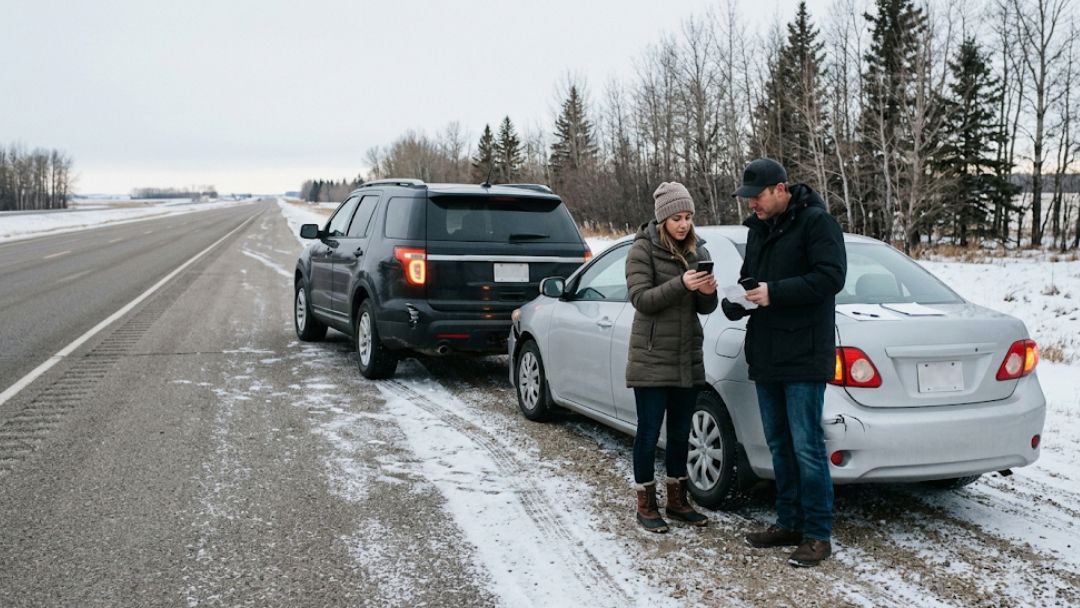
Under Alberta law, whiplash injuries are treated as a category of soft tissue injuries, most commonly affecting the neck, shoulders, and upper spine. These injuries typically result from sudden acceleration or deceleration forces during motor vehicle accidents in Alberta, especially rear-end collisions.
For those injured in high-traffic areas like Deerfoot Trail or Stoney Trail in Calgary, the force of a collision often results in WAD II or WAD III classifications. Calgary-based medical experts and specialized clinics are frequently used to provide the objective evidence required to prove these injuries have moved beyond the minor category.
Medically, whiplash falls under whiplash-associated disorders, which range from mild stiffness to chronic pain, headaches, nerve symptoms, and reduced mobility. Legally, however, Alberta does not focus on the diagnosis alone. The law examines how the injury affects function, recovery time, and long-term prognosis.
An injury only falls under Alberta’s minor injury regulation if symptoms resolve within an expected recovery window and do not interfere with work, daily activities, or long-term health. Persistent pain, treatment beyond standard timelines, or functional limitations often move the injury outside the regulation, even if imaging appears normal.
Minor injury guideline and the legal threshold
The minor injury guideline acts as the legal gatekeeper for whether the whiplash settlement cap Alberta applies. Alberta law does not automatically treat whiplash as a minor injury. Instead, the guideline evaluates how the injury behaves over time and how it affects daily function.
Under the Minor Injury Regulation, an injury is only minor if it does not result in a serious impairment. This is legally defined as an impairment that results in a substantial inability to perform an essential task of your employment, education, or normal daily activities, and is not expected to improve substantially.
What matters most is not how the injury looks on day one, but whether recovery follows an expected path. When symptoms resolve within a predictable timeframe and leave no lasting impairment, the injury may fall under Alberta’s minor injury regulation. When recovery stalls or daily function declines, the legal threshold shifts.
Legal factors used to classify a minor injury
Legal FactorHow It Is AssessedDuration of symptomsWhether pain resolves within expected recovery timelinesFunctional impairmentImpact on work, household duties, and daily activitiesResponse to treatmentImprovement with standard physiotherapy or medicationPersistence of painOngoing symptoms beyond normal recovery expectationsEffect on employmentReduced hours, modified duties, or inability to work
Courts in Alberta have repeatedly confirmed that the guideline is outcome-based. A soft tissue injury that produces chronic pain, recurring headaches, or lasting limitations does not fall under Alberta’s minor injury regulation, regardless of how it was first diagnosed.
It is a common misconception that psychological symptoms or headaches are automatically extra. In Alberta, clinically associated sequelae, such as headaches, fatigue, or mild anxiety, are often included under the cap unless they result in serious functional impairment independently.
This threshold matters because once an injury crosses it, the whiplash settlement cap Alberta no longer controls compensation for pain and suffering.

Current whiplash settlement cap Alberta amounts
The cap adjusts each year to reflect inflation. These adjustments ensure the value does not erode over time, though the cap remains modest compared to uncapped injury awards.
YearMinor Injury Cap (General Damages)2024$6,0612025$6,1822026$6,306
Before applying the cap, insurers must establish that the injury truly qualifies as minor under Alberta law. After the table amount applies, additional compensation may still be available through other damage categories, which often form the majority of a settlement.
What compensation is not capped
The whiplash settlement cap Alberta applies only to general damages for pain and suffering in qualifying minor injury cases. It does not limit the majority of financial losses that arise after an accident in Alberta.
Many injured people underestimate their claim because they assume the cap applies to everything. In reality, most compensation categories remain fully recoverable, even when general damages are capped.
Compensation categories not subject to the cap
Type of CompensationWhat It CoversLost wagesIncome missed due to time off workFuture income lossReduced earning capacity or career impactMedical expensesTreatment, therapy, medication, and rehabilitationFuture care costsOngoing treatment or long-term medical supportHousekeeping lossesInability to perform home maintenance or caregivingOut-of-pocket costsMileage, equipment, and incidental expenses
In many whiplash cases, these uncapped damages exceed the value of pain and suffering compensation. When injuries affect employment or require prolonged treatment, the total claim value often rises well beyond the minor injury cap alberta.
Understanding this distinction prevents premature settlements that fail to reflect the true financial impact of an injury.

When whiplash injuries fall outside the cap
Whiplash injuries fall outside the cap when symptoms persist, worsen, or cause functional impairment beyond the expected recovery period. Chronic pain diagnoses, neurological involvement, and limitations on work duties often remove a claim from Alberta’s minor injury regulation.
Courts rely on medical evidence, treatment history, and testimony regarding daily limitations. Injuries resulting from high-impact crashes or involving multiple trauma sources receive closer scrutiny. Once the injury no longer qualifies as minor, general damages reflect the full extent of suffering and long-term impact.
Insurance company tactics and early settlement pressure
Insurance companies frequently attempt to resolve whiplash claims before the full injury picture emerges. Early settlement offers often rely on temporary improvement or incomplete medical records.
Common TacticPurposeEarly injury classificationLock claim under the capRapid settlement offersPrevent long-term evidenceSelective medical reviewsDownplay chronic symptomsDelay strategiesPressure acceptance due to finances
These approaches place injured individuals at risk of settling before symptoms stabilize. Once a settlement closes, reopening a claim becomes extremely difficult, even if conditions worsen.
Medical evidence and long-term outcomes
Medical evidence determines whether whiplash remains classified as minor or evolves into a more serious injury. Alberta courts recognize that whiplash-associated disorders often lack clear imaging findings, yet still cause significant impairment.
The focus rests on consistency, duration, and functional impact rather than test results alone. Long-term outcomes often define whether the whiplash settlement cap Alberta applies.
Types of medical evidence considered in whiplash claims
Evidence TypeWhy It MattersClinical assessmentsDocument pain, mobility, and functional limitationsTreatment historyShows whether symptoms persist despite careSpecialist reportsSupport diagnoses such as chronic painWork capacity evaluationsDemonstrate impact on employmentLongitudinal recordsTrack symptom progression over time
When medical records show ongoing pain, repeated treatment, or inability to resume normal activities, courts often find that the injury no longer falls under Alberta’s minor injury regulation. At that point, damages for pain and suffering reflect the full scope of impairment rather than a capped amount.
Long-term outcomes matter because whiplash injuries frequently evolve. What begins as stiffness or soreness can develop into chronic pain that affects work, sleep, and quality of life. Alberta law allows compensation to reflect that reality when evidence supports it.
How whiplash claims compare to other injury settlements
Whiplash claims vary widely depending on recovery and impact. Comparison helps clarify how classification affects value.
Injury TypeTypical Cap AppliesCompensation RangeMinor whiplashYes~$6,000Chronic soft tissue injuryNo$20,000–$60,000Brain injuryNoSix figures or more
When injuries fall outside the cap, settlement values align more closely with other serious injury claims rather than minor injury awards.
Legal representation and claim value
Proper legal guidance often determines whether a whiplash claim remains capped. A personal injury lawyer evaluates medical evidence, recovery timelines, and functional limitations to challenge improper classification.
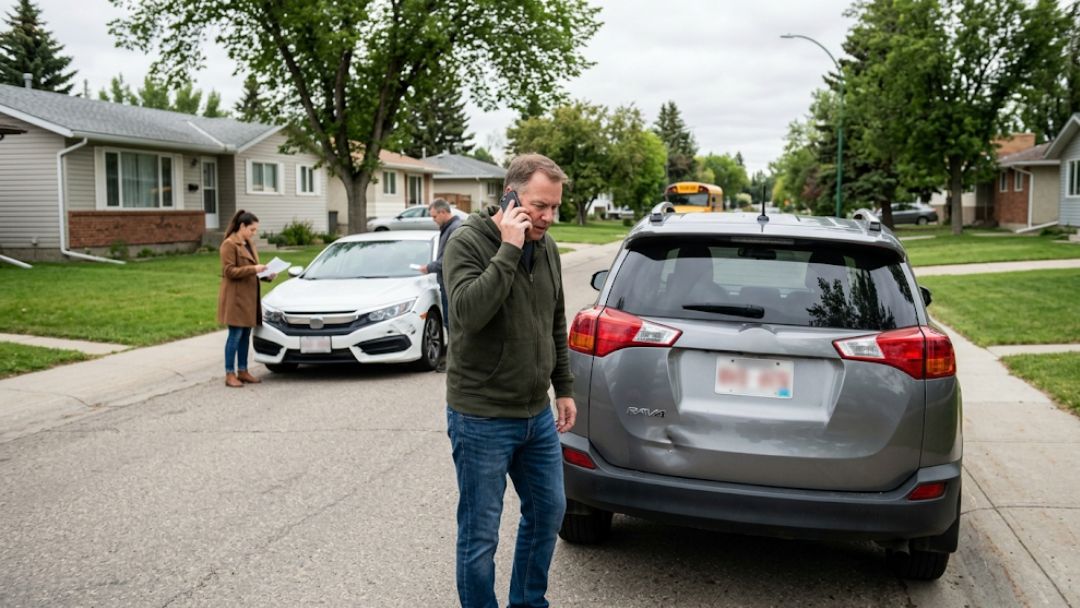
Claims involving rear-end collisions frequently start as whiplash cases. Many evolve into long-term injury claims when symptoms persist. Legal representation ensures insurers apply Alberta’s minor injury regulation correctly and do not restrict compensation prematurely.
Why this issue matters more in 2026
In 2026, medical understanding of chronic pain and soft tissue injuries continues to advance, while insurance scrutiny increases. Alberta courts increasingly recognize that recovery does not follow a fixed timeline and that long-term impairment deserves full compensation.
At the same time, cost-containment pressures within the insurance industry increase reliance on early classification. This tension makes informed decision-making more important than ever for injured Albertans.
This timing matters because accidents that occur before the transition will be governed by the current litigation-based system, making 2026 one of the last opportunities for injured Albertans to fully assess and preserve their right to pain and suffering compensation.
The 2027 Care-First Transition
It is important to note that the Alberta government is transitioning toward a Care-First insurance model slated for January 1, 2027. This shift will fundamentally change how pain and suffering damages are awarded by moving toward a no-fault system. For accidents occurring in 2026, the current litigation-based system still applies, making it critical to document your injury now before the legal landscape shifts to a system where the right to sue for pain and suffering is significantly restricted.
What this means for injured Albertans
The whiplash settlement cap Alberta does not define the value of your injury. It applies narrowly, temporarily, and only when legal criteria are met. Many whiplash injuries exceed the cap once their true impact becomes clear.
If you were injured in an accident in Alberta and symptoms have not resolved, your claim may deserve far more than the capped amount. The right legal guidance can protect your recovery, your income, and your future.
Contact Yanko Popovic Sidhu today for a free consultation to understand whether your whiplash injury truly falls under Alberta’s minor injury regulation or qualifies for full compensation. Your injury deserves careful assessment, not quick assumptions.

Discover More