Written by Herman S. Sidhu, LL.B.
Speak with
a lawyer today
We’re here to guide you, answer your questions, and take responsibility for the process from the very beginning.
You don’t have to figure it out alone.
Suite 301, 300 Manning Road N.E.
Calgary, Alberta, T2E 8K4
Fri: 8 AM – 2 PM
Sat – Sun: Closed
+1 403-262-0262
info@yplaw.ca
We’ll review your case within 24 hours
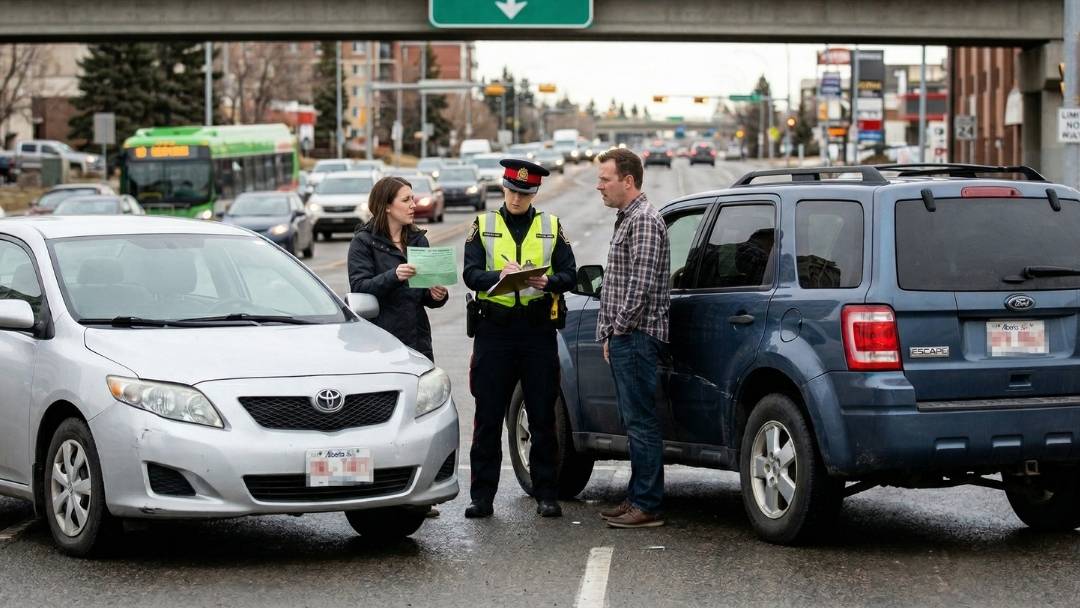
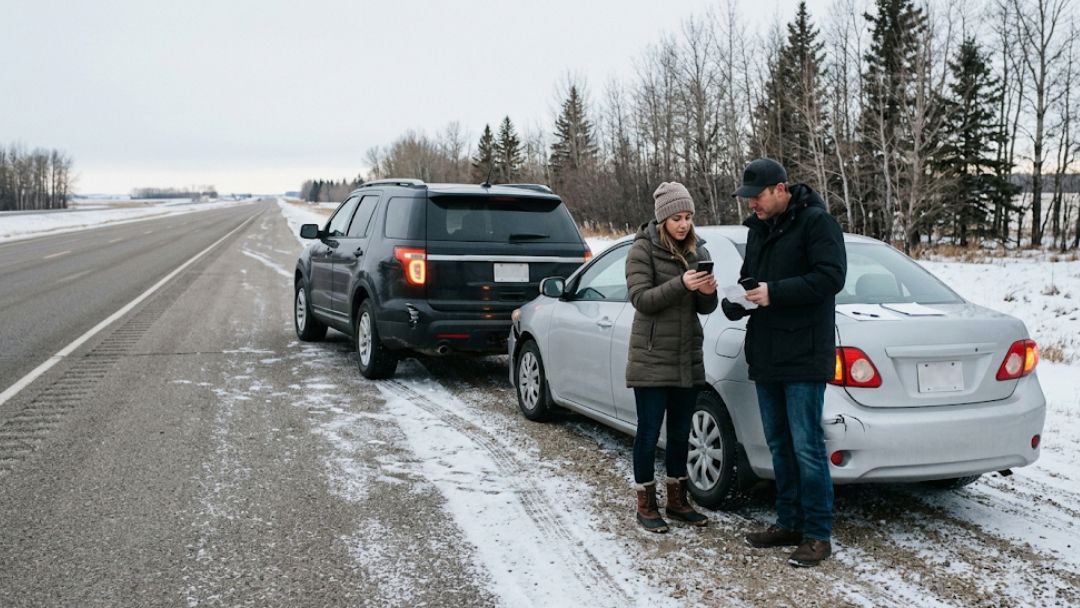
A both drivers at fault car accident Alberta situation can feel confusing at first. Many people assume they can’t recover compensation if they share blame. That’s not how Alberta law works. Fault is divided, not denied. This guide explains how fault is assessed, how compensation changes, and what steps can protect your claim.
Both drivers at fault car accident alberta: How fault really works?
A both drivers at fault car accident Alberta situation rarely comes down to a simple yes-or-no answer. In most cases, accidents happen because of a combination of actions, not a single mistake. That’s why Alberta law doesn’t try to pin everything on one driver. Instead, it looks at how each person contributed to what happened.
Here’s how it usually plays out. Insurance companies and legal professionals break down the accident into smaller pieces, examining what each driver did before, during, and after the crash. They compare those actions against traffic laws and expected driving behavior. From there, they assign a percentage of fault to each party.
But here’s the part many people miss: fault is not about who caused the accident entirely; it’s about how much each driver contributed. Even a small lapse in judgment, like failing to check a blind spot or reacting too late, can result in partial responsibility.
In a both drivers at fault car accident Alberta, this shared responsibility is what determines how compensation is handled. The system isn’t designed to punish; it’s designed to divide accountability in a way that reflects reality.
How is fault determined in Alberta car accidents?
In a both drivers at fault car accident Alberta, determining who is at fault requires a careful review of evidence. Insurance companies and legal professionals rely on several sources to assign fault to drivers accurately.
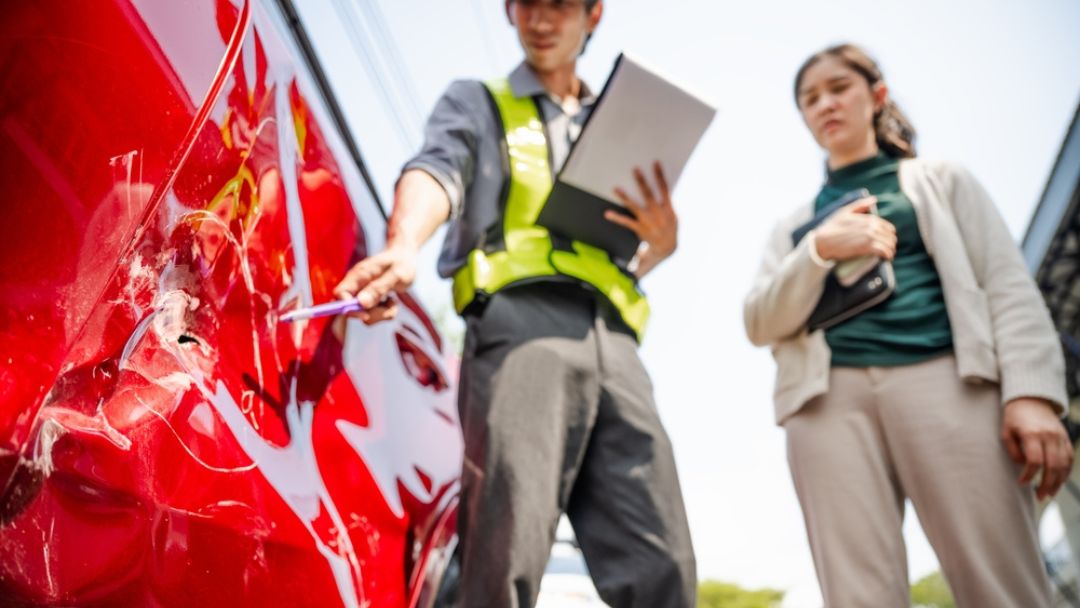
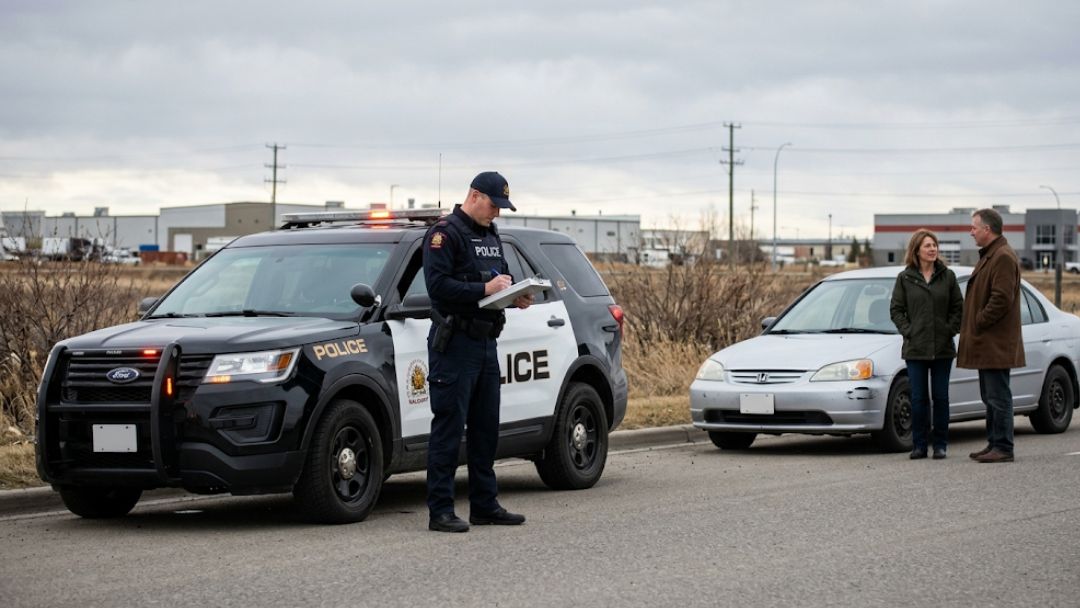
They look at police reports, physical damage, and sometimes detailed accident reconstruction. Witness accounts often fill in gaps when stories conflict. Alberta insurers also apply standardized fault determination rules, which mirror traffic laws.
A study from the Insurance Bureau of Canada and Transport Canada shows that collision claims often depend on driver behavior, such as speeding, distraction, or failure to yield. Below is how fault is typically assessed:
FactorRole in Determining FaultWitness statementsClarify the sequence of eventsVehicle damageSupports accident reconstructionTraffic lawsIdentify violationsDriver behaviorSpeed, distraction, impairment
Even small details, like timing at an intersection, can shift the degree of fault.
What does a 50/50 fault mean in Alberta?
In a car accident where both drivers are at fault in Alberta is often described as a “50/50 fault” case. That means each driver shares equal responsibility.
But fault isn’t always split evenly. One driver may be 70% responsible, while the other carries 30%. The difference directly affects compensation.
Fault %Compensation Outcome0%Full compensation25%Reduced by 25%50%Reduced by 50%75%Limited recovery
This structure allows injured parties to still seek compensation, even when they contributed to the accident.
Contributory Negligence Alberta Car Accident Explained
Contributory negligence is the legal foundation behind a both drivers at fault car accident Alberta. It simply means more than one person can be responsible for the same incident. But in practice, it goes deeper than that.
Let’s say one driver is speeding through an intersection while another makes a left turn without yielding properly. Neither action alone guarantees a crash, but together, they create the conditions for one. In that case, both drivers carry a portion of the blame.
Courts and insurers examine each driver’s conduct carefully. They look at whether a reasonable driver would have acted differently in the same situation. If the answer is yes, that behavior becomes part of the fault for the accident.
Contributory negligence also applies in less obvious cases. A driver who follows too closely, even if the lead driver brakes suddenly, may still be considered partially at fault. The law recognizes that driving is a shared responsibility, and every decision on the road carries weight.
That’s why in a both drivers at fault car accident in Alberta, responsibility is divided rather than assigned to one side.
Can you still seek compensation if both drivers are at fault
In a both drivers at fault car accident Alberta, you absolutely can still seek compensation. The law doesn’t cancel your claim just because you share some responsibility. Instead, it adjusts the outcome.
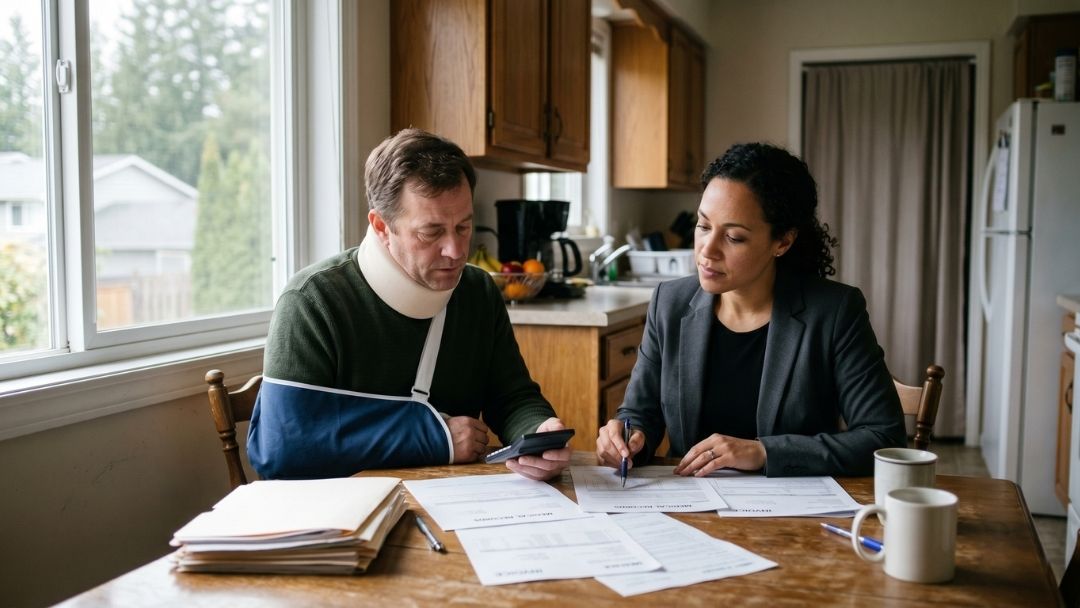
Think of it this way. Your total damages, medical bills, lost income, and pain and suffering are calculated first. Then your percentage of fault is applied as a reduction.
So if your damages are $100,000 and you’re found 40% at fault, you can still recover $60,000.
What matters most is proving the full extent of your losses. Insurance companies often focus heavily on fault, but compensation depends just as much on evidence of injury, treatment, and long-term impact.
Another important point: even if you feel partially responsible, that doesn’t mean the insurer’s assessment is correct. Fault can be negotiated, and sometimes challenged, especially when evidence is incomplete or misinterpreted.
How insurance companies handle shared fault claims
When dealing with a both drivers at fault car accident Alberta, insurance companies don’t approach the situation neutrally. Their role is to assess claims, but their business model depends on controlling costs. That tension shows up quickly in shared fault cases.
Adjusters often begin by reviewing statements and reports, but they don’t stop there. They may reinterpret timelines, question driver reactions, or highlight small details that increase your share of fault. Even something as minor as hesitation at an intersection can be used to shift liability.
In many cases, insurers rely heavily on early statements. What you say in the first hours after an accident can carry more weight than later clarifications. That’s why people sometimes find themselves assigned a higher percentage of fault than expected.
There’s also the issue of settlement offers. In a both drivers at fault car accident Alberta, initial offers often reflect the insurer’s most favorable interpretation of the facts, not necessarily a fair one.
Understanding how these claims are handled can make a significant difference. The process isn’t just about evidence, it’s about how that evidence is framed. If you feel your insurer is shifting blame unfairly, understanding your rights becomes essential.
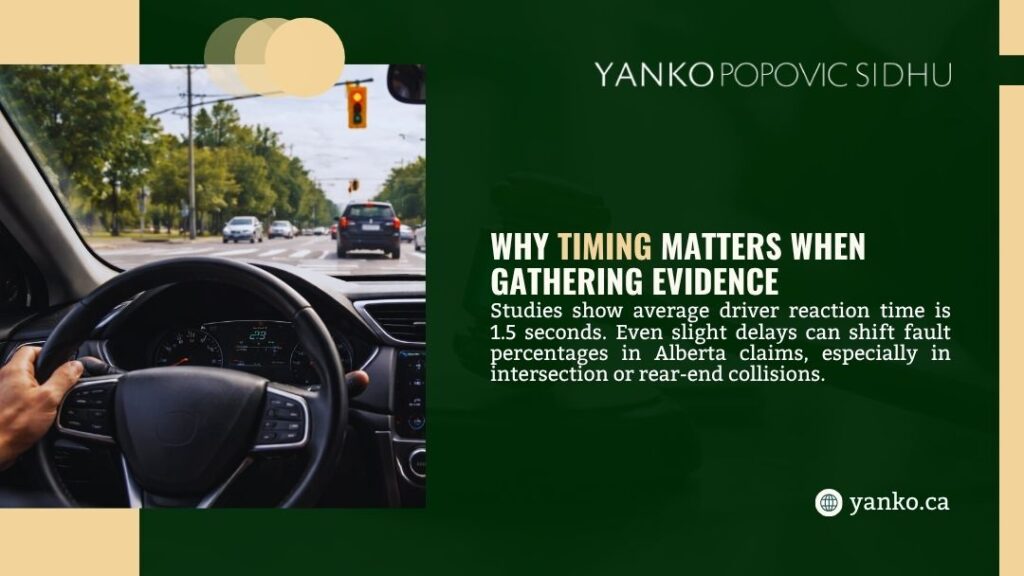
Real-life scenarios of shared fault accidents in Alberta
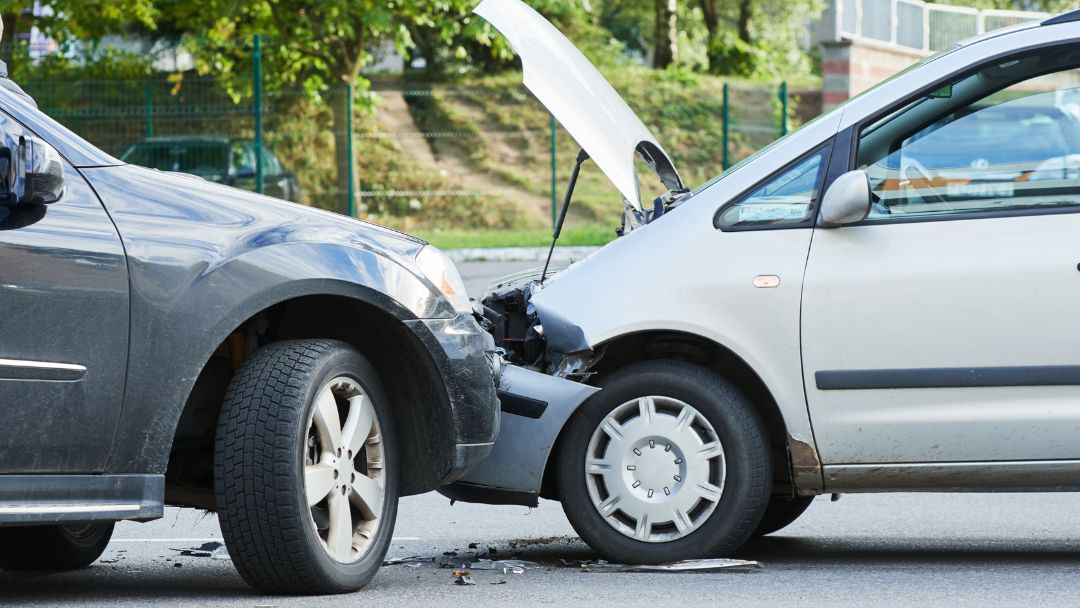
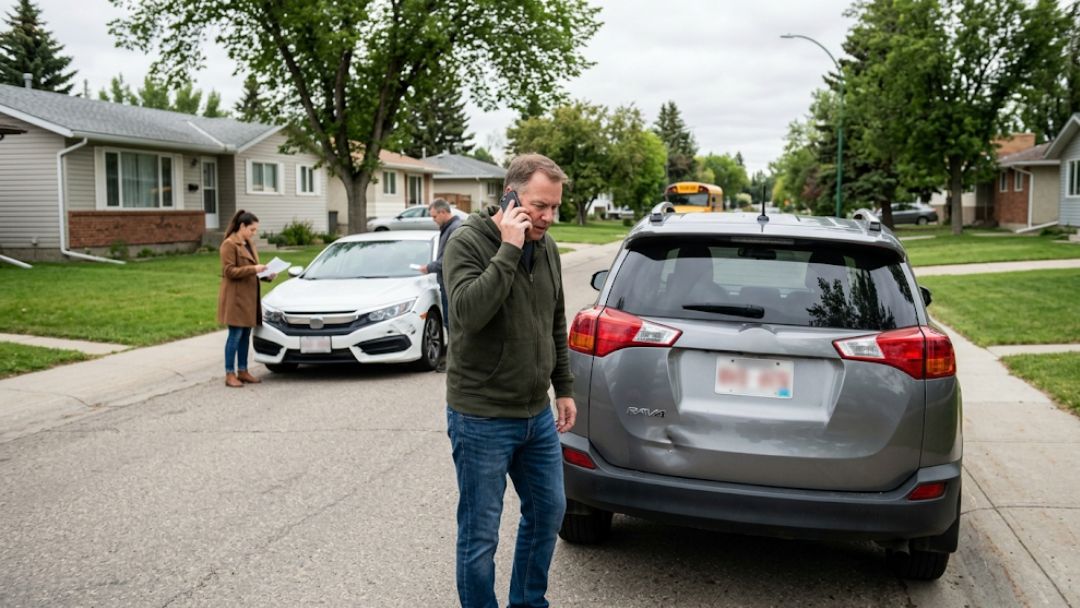
Both drivers at fault car accident in Alberta often become clearer when you look at real situations. Take a typical intersection crash. One driver turns left without fully yielding, while the oncoming driver exceeds the speed limit. At first glance, it might seem obvious who is at fault. But once speed and timing are analyzed, responsibility gets divided.
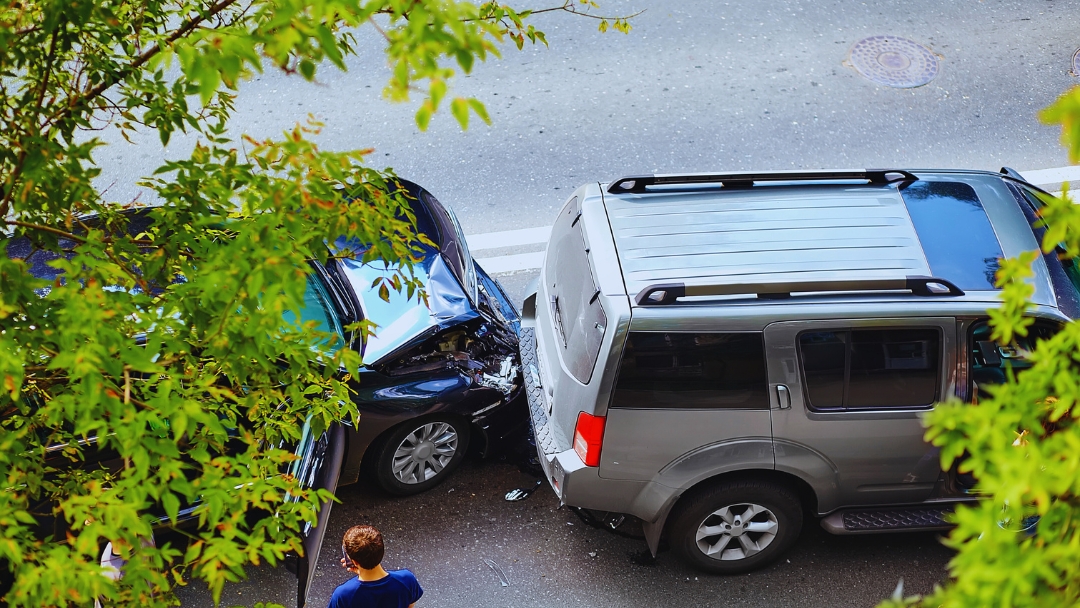
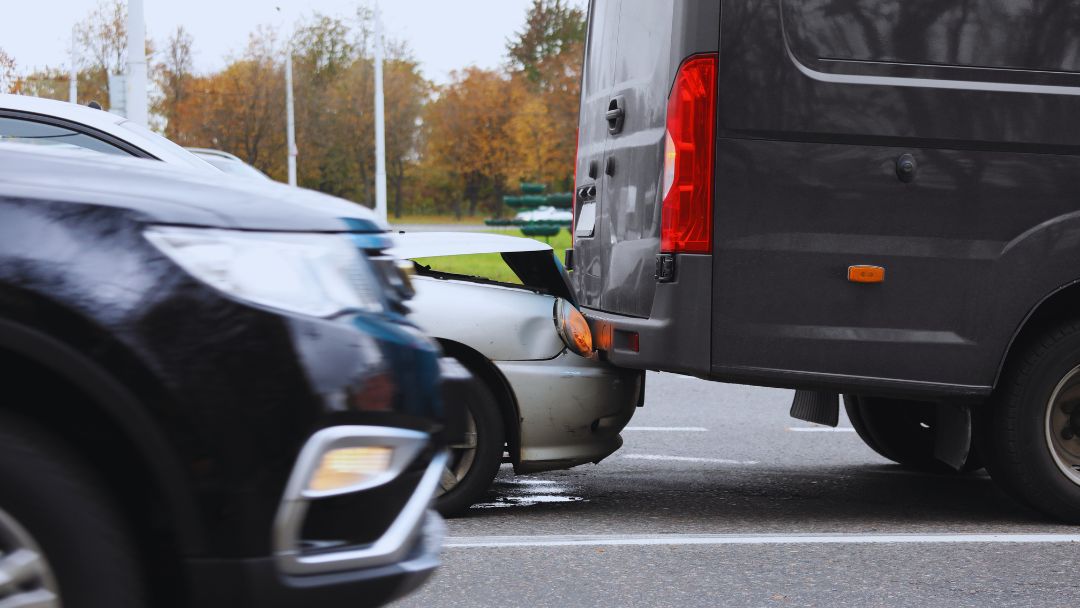
Another scenario involves rear-end collisions. While the trailing driver is usually blamed, the lead driver may share fault if they brake abruptly without reason or have malfunctioning brake lights. In these cases, both drivers contribute to the outcome.
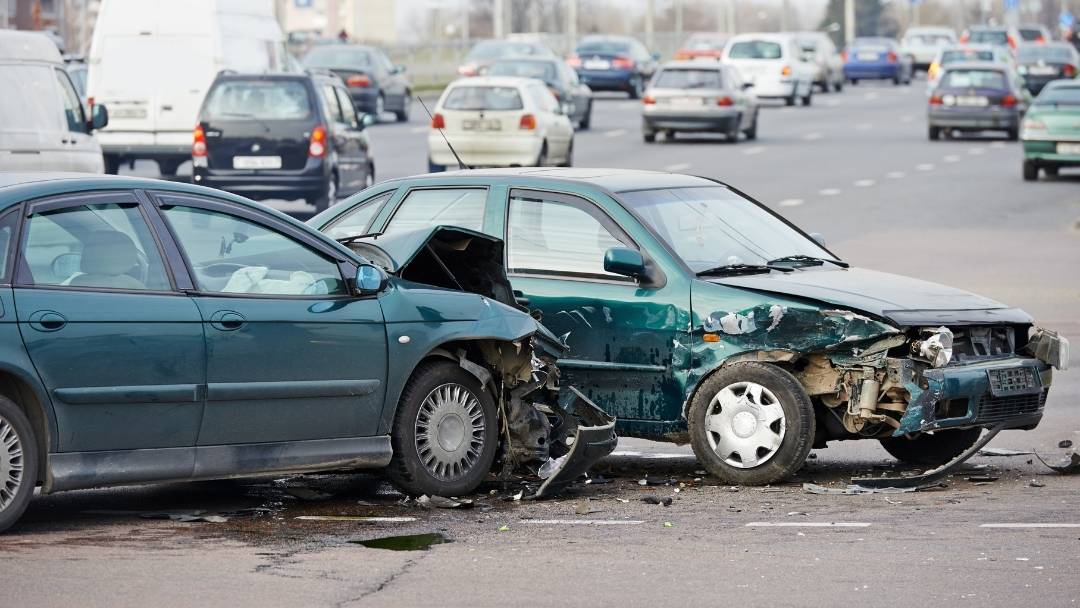
Chain reactions are another example. In multi-vehicle accidents, one driver’s sudden stop can trigger a sequence where several vehicles collide. Assigning fault becomes a matter of tracing each action back to its effect.
These situations highlight an important truth: in a both drivers at fault car accident Alberta, liability is rarely black and white. It sits somewhere in between.
How much compensation can you get in a 50/50 fault accident
In a car accident in Alberta where both drivers are at fault, compensation depends on the total damages and your share of fault. Typical claims include medical expenses, lost wages, future care needs, and pain and suffering
Here’s a simplified example:
Damage TypeValueAfter 50% FaultMedical costs$20,000$10,000Lost income$30,000$15,000Pain & suffering$40,000$20,000
To explore real payout ranges, refer to car accident settlement payouts in Alberta.
What happens if you have two accidents in one year
When someone is involved in two accidents in one year, the complexity increases, especially if one or both involve shared fault.
Insurance companies don’t look at each claim in isolation. They compare timelines, medical records, and patterns. If injuries overlap, they may argue that symptoms are connected to the earlier accident rather than the current one. This can affect both credibility and compensation.
For example, if a second accident aggravates an existing injury, the question becomes how much of the damage belongs to each event. Without clear medical documentation, insurers may reduce or deny parts of the claim.
In a both drivers at fault car accident Alberta, this overlap becomes even more complicated. Now, not only is fault divided between drivers, but damages may also be divided between incidents. That’s why timing, documentation, and consistency matter more than ever in these situations.
How many accidents can you have in a year in Alberta
There’s no legal cap on how many accidents you can have in a year in Alberta. The law doesn’t restrict your ability to file claims based on frequency. However, from an insurance perspective, multiple accidents raise questions.
Insurers may examine whether repeated incidents suggest risky driving behavior. They may also adjust premiums or apply stricter scrutiny to future claims. In a both drivers at fault car accident Alberta, this can influence how fault is assessed, especially if prior incidents show similar patterns.
It’s also worth noting that each accident creates its own legal and medical trail. Keeping those records separate and clearly documented becomes essential if more than one claim is involved.
Steps to take after a shared fault accident
After a both drivers are at fault, the actions you take in the first hours and days can shape the entire claim.
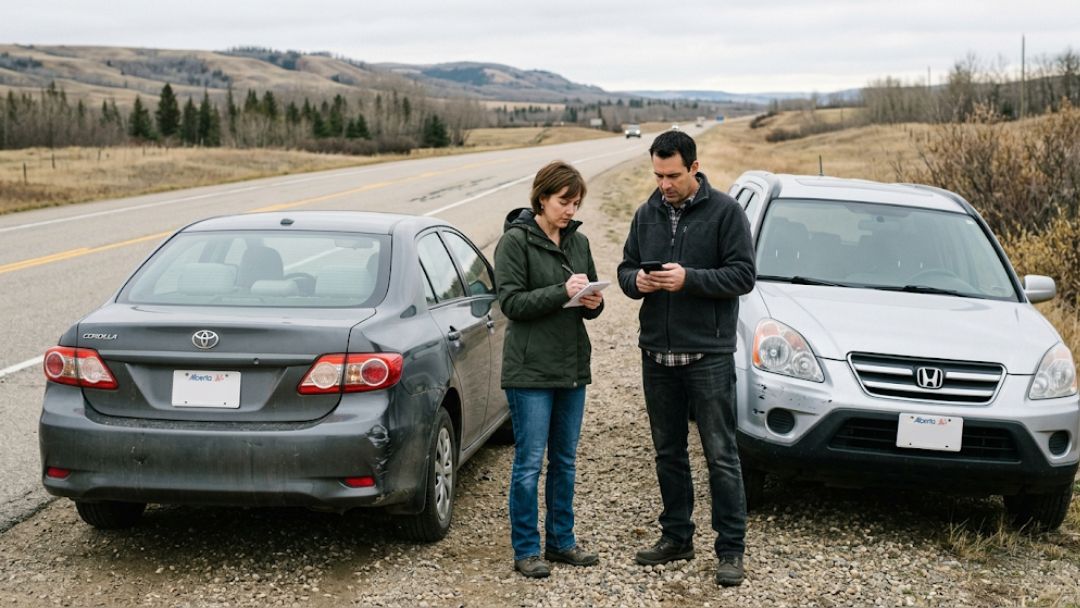
Start by ensuring safety and contacting emergency services if needed. Once the immediate situation is under control, gather as much information as possible. Take photographs of vehicle positions, road conditions, and visible damage. Speak with witnesses and record their contact details.
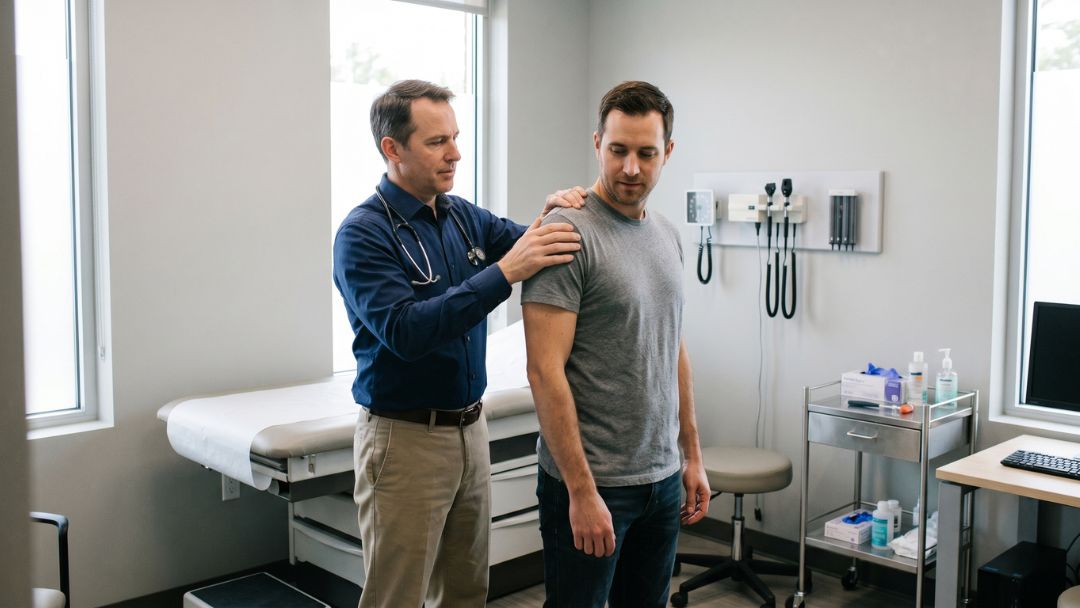
Next, seek medical attention, even if injuries seem minor at first. Symptoms often develop later, and early documentation helps establish a clear timeline.
When reporting the accident, provide accurate information but avoid speculating about fault. Determining liability is not your responsibility at the scene.
Finally, consider speaking with a legal professional car accident lawyer before engaging in detailed discussions with insurers. Early guidance can prevent missteps that may affect your claim later.
Why legal representation matters in shared fault cases
A both drivers at fault car accident Alberta involves more than just proving what happened. It involves negotiating how that story is interpreted.
Even small shifts in the percentage of fault can significantly change compensation. That’s where legal representation becomes important.
A personal injury lawyer reviews evidence with a critical eye. They may consult experts, challenge assumptions, and present a clearer narrative of events. More importantly, they understand how insurers evaluate claims and where those evaluations can be questioned.
Without that support, many people accept fault allocations that don’t fully reflect the circumstances. Over time, that can mean a substantial loss in compensation. Legal representation doesn’t just protect your claim; it strengthens it.
Disputing fault in Alberta car accidents
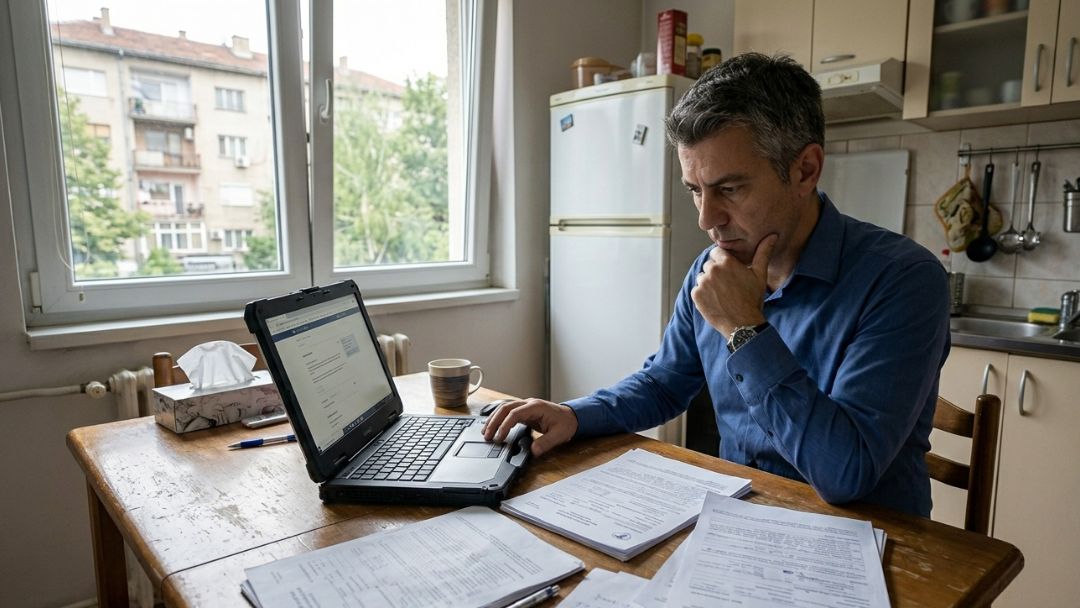
Disputing fault in a both drivers at fault car accident Alberta is possible, but it requires more than disagreement. The process usually starts with reviewing the evidence used to assign fault. That includes police reports, witness accounts, and insurer assessments. If inconsistencies appear, those become the basis for a challenge.
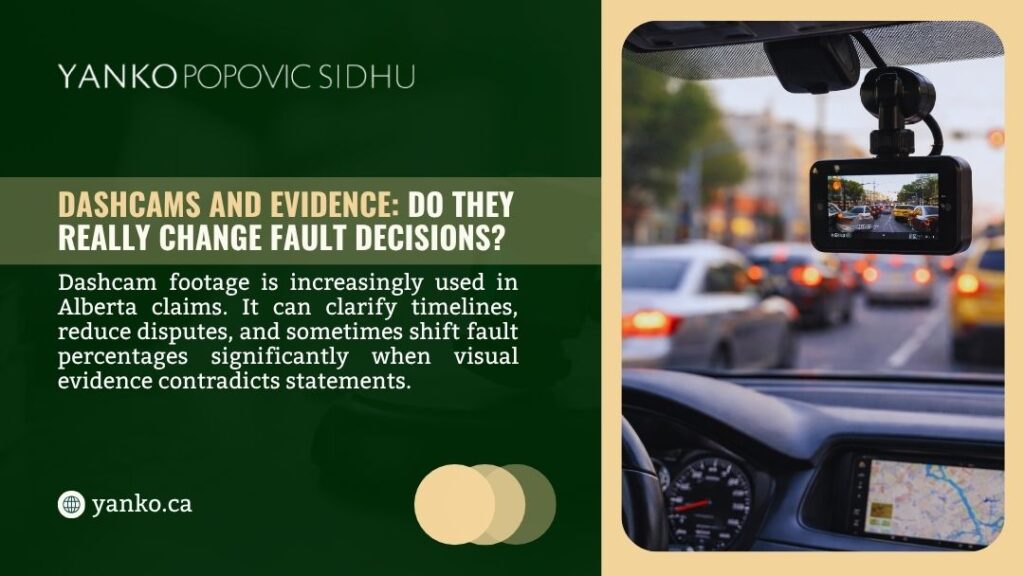
In some cases, expert analysis, such as accident reconstruction, can provide a different perspective. Timing, speed, and positioning often reveal details that weren’t obvious at first. It’s also common for disputes to arise when new evidence becomes available. A previously unknown witness or additional footage can shift the balance.
The key is persistence and clarity. Fault decisions are not always final, especially when they rely on incomplete information.
Key mistakes that reduce your compensation
Even in a both drivers at fault car accident Alberta, certain mistakes can quietly reduce what you receive.
MistakeImpact on ClaimAdmitting fault earlyIncreases assigned liabilityAccepting the first offerLimits compensation potentialDelaying medical careWeakens injury evidenceIncomplete documentationCreates gaps insurers can exploitGiving inconsistent statementsReduces credibility
These errors often happen unintentionally. People try to be cooperative or move on quickly, not realizing how those actions affect the outcome. Avoiding these missteps can make a meaningful difference in how your claim unfolds.
Why are these cases more complex than they seem
A both drivers at fault car accident Alberta may appear straightforward on the surface, but the underlying details often tell a different story.
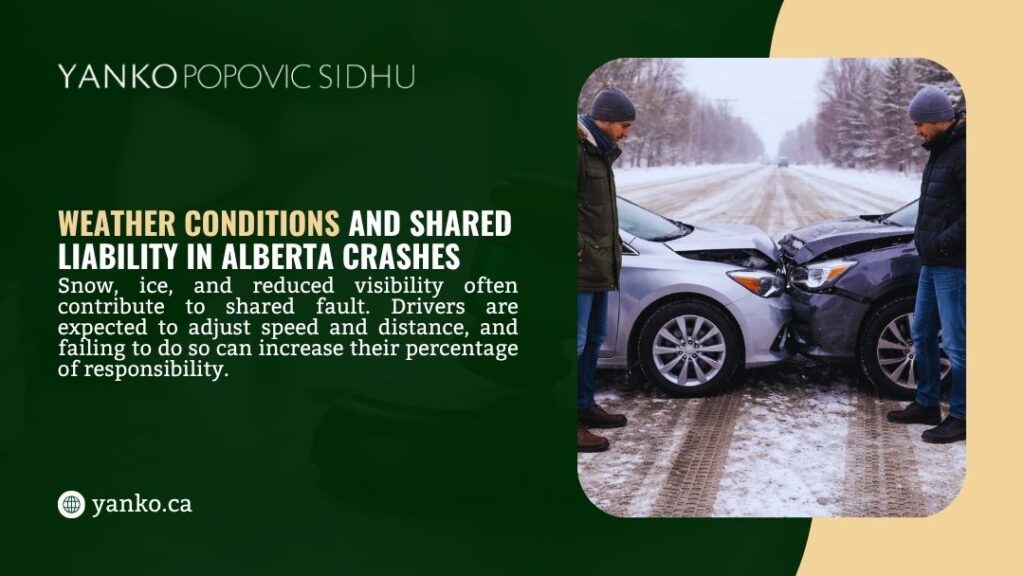
Multiple actions, overlapping timelines, and conflicting accounts create layers that aren’t immediately visible. Add in factors like road conditions, reaction times, and vehicle behavior, and the picture becomes even more complicated.
Chain reactions and multi-vehicle accidents introduce additional variables. Each driver’s role must be analyzed separately, then connected back to the overall event. What seems like a simple collision often turns into a detailed examination of cause and contribution. That complexity is exactly why these cases require careful handling.
FAQs
Does insurance always go up after an at-fault claim?
Not always, but it often does. Premium changes depend on fault percentage, claim history, and insurer policies.
Is Alberta a no-fault province?
No. Alberta uses a fault-based system, meaning responsibility affects compensation.
Does my insurance go up if it’s someone else’s fault?
Typically, no. If you are not at fault, your premiums may remain unchanged, though policies vary.
What’s the biggest mistake people often make when dealing with an insurance claim?
Speaking too quickly or accepting early offers without understanding long-term consequences.
What is the 52-week rule for compensation?
In many cases, certain benefits are assessed within a 52-week recovery window, especially for soft tissue injuries.
Can a fault change after it is assigned?
Yes. New evidence or expert analysis can lead to a reassessment.
Do witness statements really matter?
They can significantly influence how fault is determined, especially in unclear situations.
Can multiple drivers be more than 50% at fault combined?
Yes. Fault can be split across several parties depending on their contribution.
What this means for your next step
Both drivers at fault car accident Alberta doesn’t close the door on your claim, it changes how the outcome is calculated. What matters now is how fault is assessed, how your injuries are documented, and how your case is handled from this point forward.
If you’re unsure where you stand, this is the moment to get clarity. The team at Yanko Popovic Sidhu works directly with clients, no middle layers, no runaround, to guide you through complex claims and fight for the compensation you deserve.

Discover More