Written by Herman S. Sidhu, LL.B.
Speak with
a lawyer today
We’re here to guide you, answer your questions, and take responsibility for the process from the very beginning.
You don’t have to figure it out alone.
Suite 301, 300 Manning Road N.E.
Calgary, Alberta, T2E 8K4
Fri: 8 AM – 2 PM
Sat – Sun: Closed
+1 403-262-0262
info@yplaw.ca
We’ll review your case within 24 hours
A t-bone accident, often called a side-impact collision, usually happens at intersections and can leave drivers unsure about responsibility. In Alberta, fault depends on right-of-way rules, traffic signals, and driver behavior at the time of the crash. This guide explains how liability works, what evidence matters, and how to protect your right to compensation after a t-bone accident.
T-Bone Accident Who Is At Fault
The question of who is at fault in a t-bone accident does not have a one-size-fits-all answer. Many assume the driver who hits the side of another vehicle is automatically responsible. That is not always true.
The fault in a T-bone car accident depends on who violated the traffic law. If a driver runs a red light, ignores a stop sign, or turns left without yielding, that driver is usually at fault, even if their vehicle was struck.
Here’s the thing. Alberta follows fault-based insurance rules. That means liability is tied to negligence. The driver who failed to follow the law or acted carelessly will bear responsibility.
So when people ask, “If you get t boned, who is at fault?” the real answer is simple:
The driver who had no right of way or acted negligently is typically at fault.
What Is a T-Bone Accident? Meaning and Real-World Example
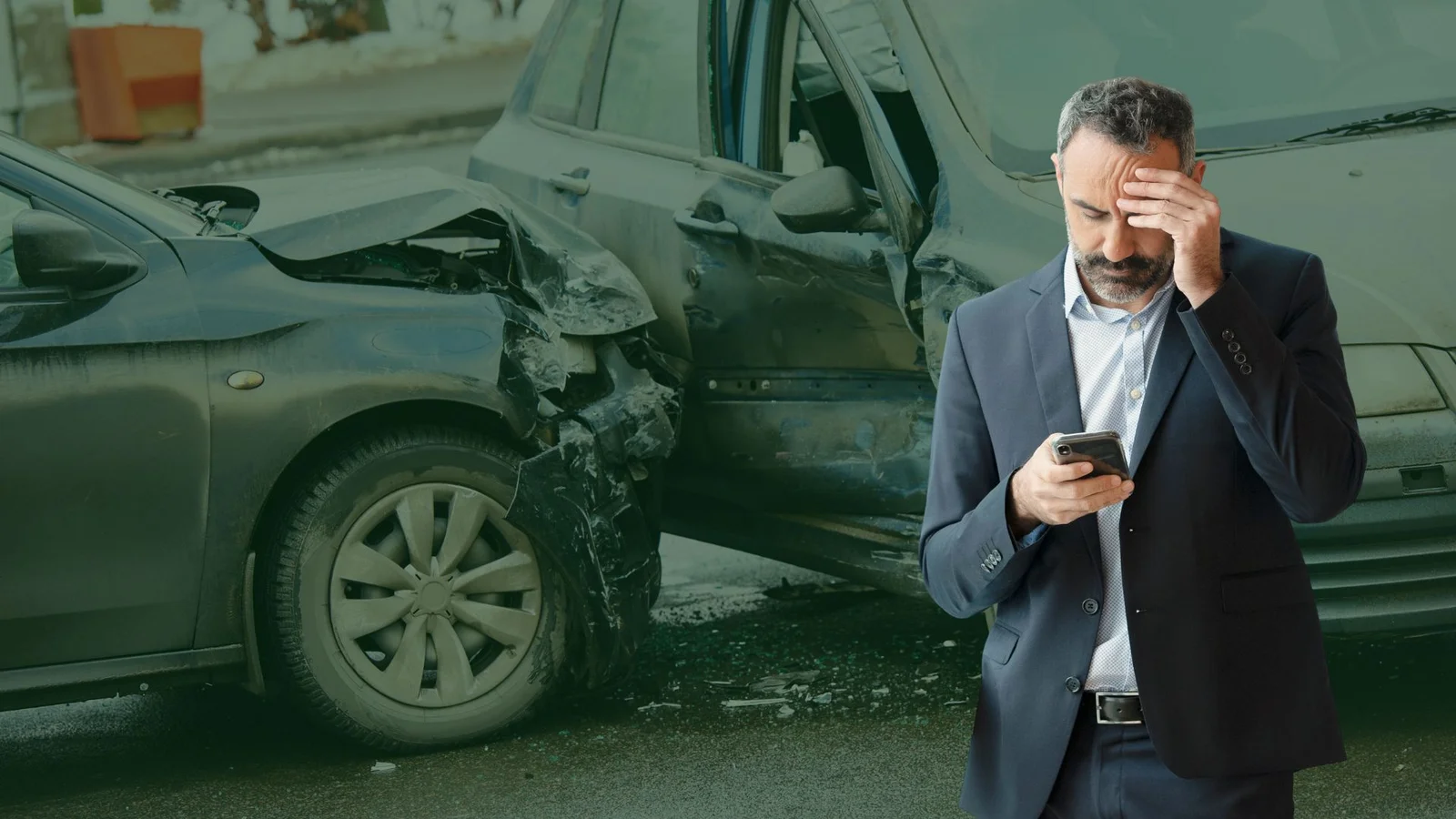
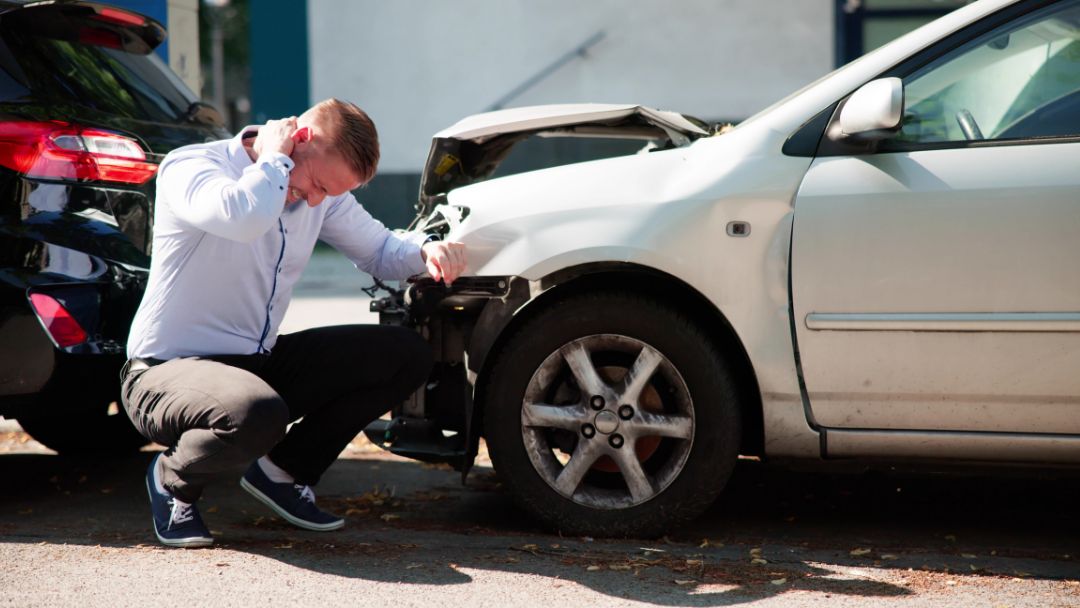
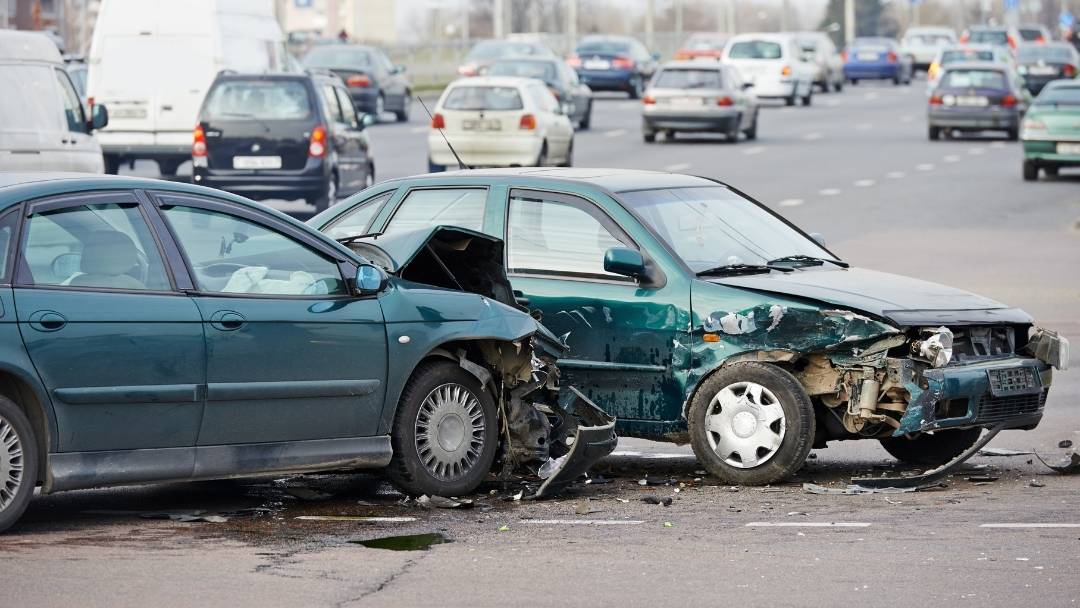
A t-bone accident happens when the front of one vehicle crashes into the side of another, forming a “T” shape. You may hear terms like t boned car, t-boned accident, or side impact collision; they all refer to the same thing.
Most of these crashes occur at intersections where vehicles cross paths. One driver moves forward, while another enters the same space from the side. The result is a sudden, forceful impact.
To put it plainly, if someone asks, what does it mean to get t boned, it means your vehicle was struck from the side by another car, often without much time to react.
How Fault Is Determined in a T-Bone Collision
In Alberta, determining fault involves examining traffic rules, driver actions, and available evidence. Investigators look closely at what happened just before the crash.
Key Factors That Determine Fault
FactorHow It Affects FaultTraffic lightsRunning a red light strongly indicates faultStop signsFailure to stop or yield leads to liabilityLeft turnsThe turning driver must yield to oncoming trafficSpeedExcessive speed can shift or share faultDistracted drivingPhone use or inattention increases liability
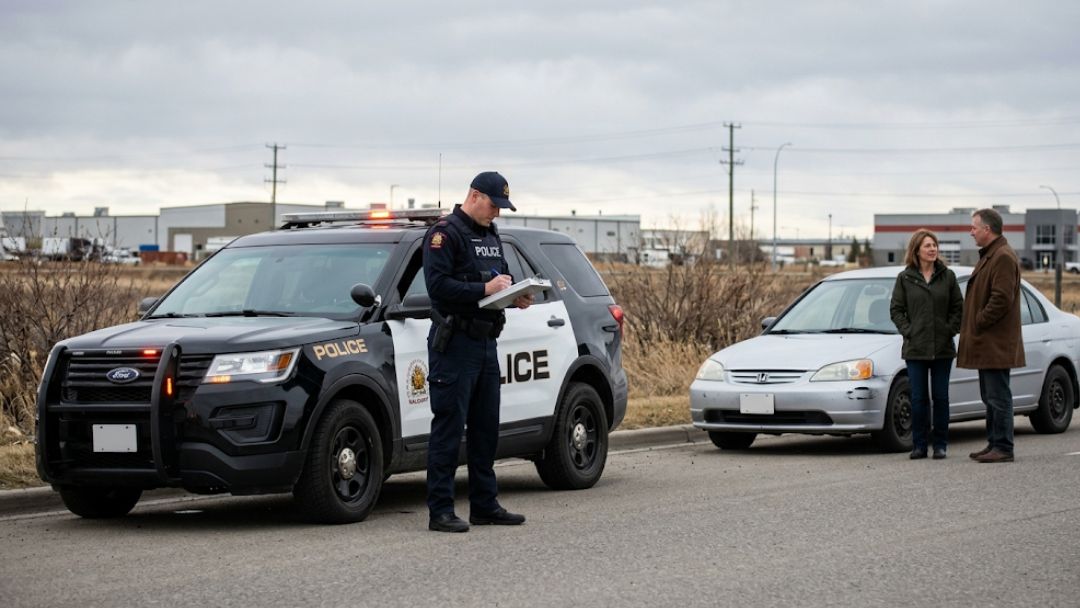
Police reports often play a central role. Officers assess the accident scene, note statements, and record violations. Insurance companies then use this information to determine fault in a t-bone accident.
According to Transport Canada, intersection-related collisions account for a significant portion of urban crashes, many involving right-of-way violations.
Common T-Bone Accident Scenarios and Who Is Usually at Fault
Not every t-bone collision follows the same pattern. Still, certain situations appear again and again.
ScenarioLikely FaultRunning a red lightThe driver who ran the lightLeft turn collisionTurning driverStop sign violationThe driver who failed to yieldParking lot t-boneOften shared faultGreen light disputeDepends on evidence
One of the most common cases involves a left-turn t-boned situation. A driver turns left across traffic and gets hit. In most cases, the turning driver is responsible because they must yield to oncoming vehicles.
But here’s where it gets tricky. If the oncoming driver was speeding or ran a yellow turning red, fault can shift or be shared.
When Both Drivers Share Fault (Contributory Negligence in Alberta)
Alberta law recognizes something called contributory negligence. That means more than one driver can share responsibility. For example, one driver runs a red light, but the other speeds through the intersection. In that case, both may be partially at fault.
Compensation is reduced based on your share of fault. If you are found 25% responsible, your damages may be reduced by that amount.
To better understand how shared liability works, contributory negligence in Alberta car accident claims determines how fault percentages directly affect settlement amounts.
Evidence That Proves Fault in a T-Bone Crash
When it comes to proving t bone accident fault, evidence makes all the difference.
Investigators and insurers rely on several key sources. The police report often carries significant weight. It includes officer observations, diagrams, and any traffic violations noted at the scene.
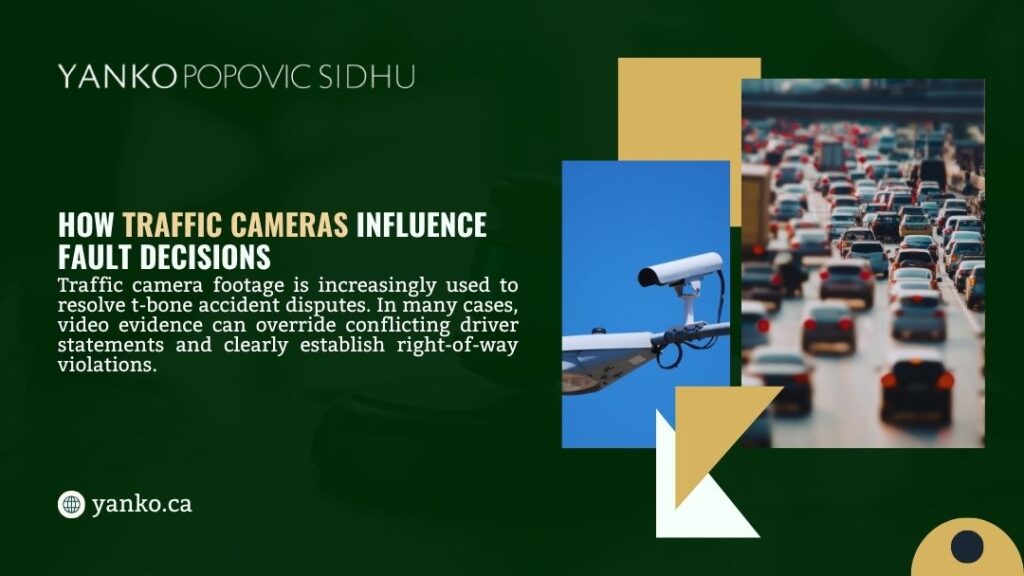
Dashcam footage has become increasingly important. It can show exactly who entered the intersection first. Witness statements also help confirm events, especially when both drivers claim they had the green light.
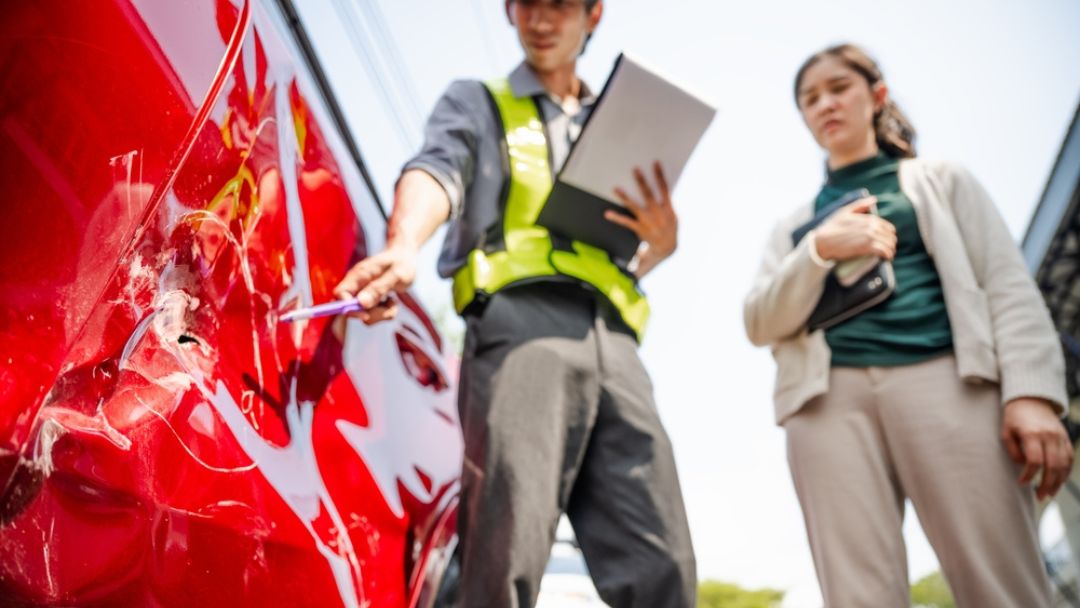
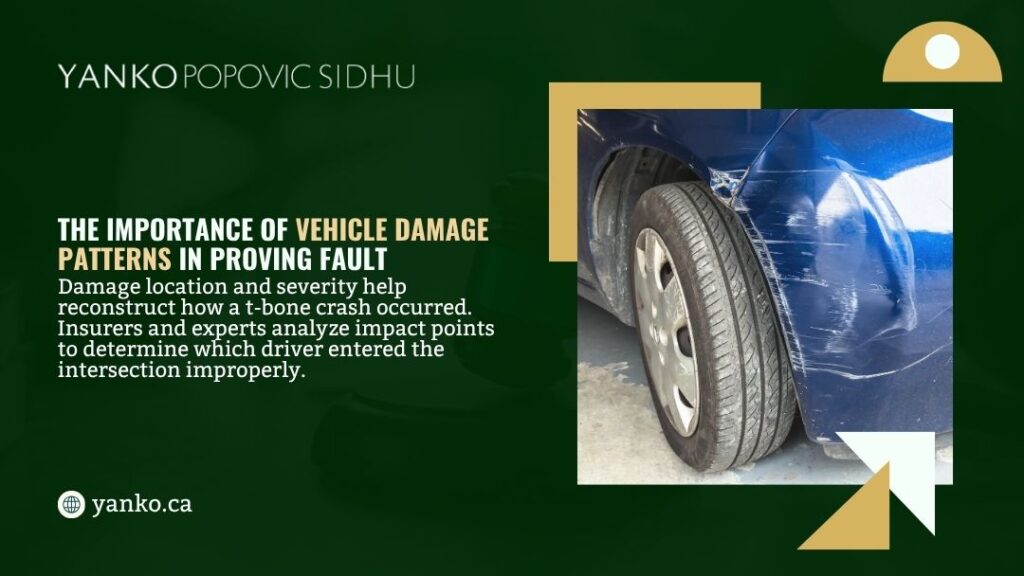
Photos from the accident scene, vehicle positions, damage patterns, and skid marks can help reconstruct the crash. According to the data, accurate documentation immediately after a collision improves claim outcomes.
Injuries Common in T-Bone Car Accidents
Side-impact crashes can be severe because the side of a vehicle offers less protection than the front or rear.
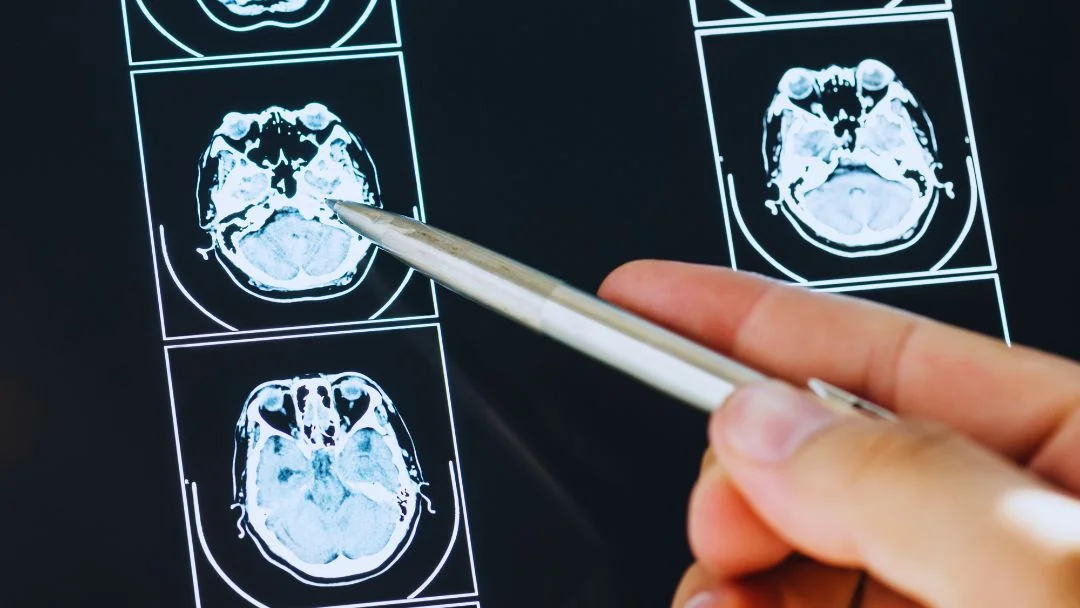
InjurySeverity LevelWhiplashMild to moderateBrain injurySevereSpinal cord injuryCatastrophicInternal injuriesLife-threatening
Passengers on the struck side often face the highest risk. A t-boned car accident at high speed can lead to long-term or permanent injuries.
If injuries are serious, legal guidance from a brain injury lawyer may become necessary to ensure full compensation for future care.
What Happens After a T-Bone Accident in Alberta
After a t-bone accident, things move quickly, sometimes faster than people expect. First comes the immediate response at the scene, but what follows can shape your entire claim.
In Alberta, drivers must report collisions that involve injury or damage over a certain threshold. Once reported, insurers begin their own investigation. They’ll review the police report, examine vehicle damage, and may even request statements from both drivers.
Here’s where many people get caught off guard. The insurance process is not just about what happened; it’s about what can be proven. Even in a clear t-bone car accident, liability is not finalized until evidence is reviewed.
Medical care is another critical piece. Alberta operates under a diagnostic and treatment protocol for minor injuries like whiplash. However, if your injuries fall outside that category, such as a brain or spinal injury, the claim becomes far more complex and often more valuable.
At the same time, you may be entitled to Section B benefits, which cover early medical expenses and income support regardless of fault. But these benefits have limits, and once they run out, your claim shifts toward long-term compensation.
This is why understanding your rights early matters. A delay in treatment, reporting, or documentation can quietly weaken your case before it even begins.
How Insurance Companies Try to Shift Fault
Insurance companies don’t approach a t-bone accident who is at fault question the same way a driver might. Their goal is not simply to find the truth; it’s to limit how much they pay.
One common tactic involves reframing the narrative. Even if the other driver clearly ran a red light, the insurer may argue you contributed to the crash. They might suggest you were speeding, distracted, or failed to take evasive action.
Another approach is partial blame. Instead of denying your claim outright, they assign a percentage of fault to you. That small percentage can significantly reduce your compensation.
Timing also plays a role. Adjusters often contact victims early, sometimes within days of the crash, while details are still unclear. Statements made during these early conversations can later be used to challenge your version of events.
Documentation gaps are another weak point. If there are missing photos, unclear timelines, or inconsistent medical records, insurers may use those gaps to question credibility. This is where many claims lose value, not because the case is weak, but because it wasn’t handled carefully from the start.
Why You Should Speak to a T-Bone Accident Lawyer
A t-bone accident can look straightforward at first glance. But once insurance companies get involved, the situation often becomes more complicated than expected.
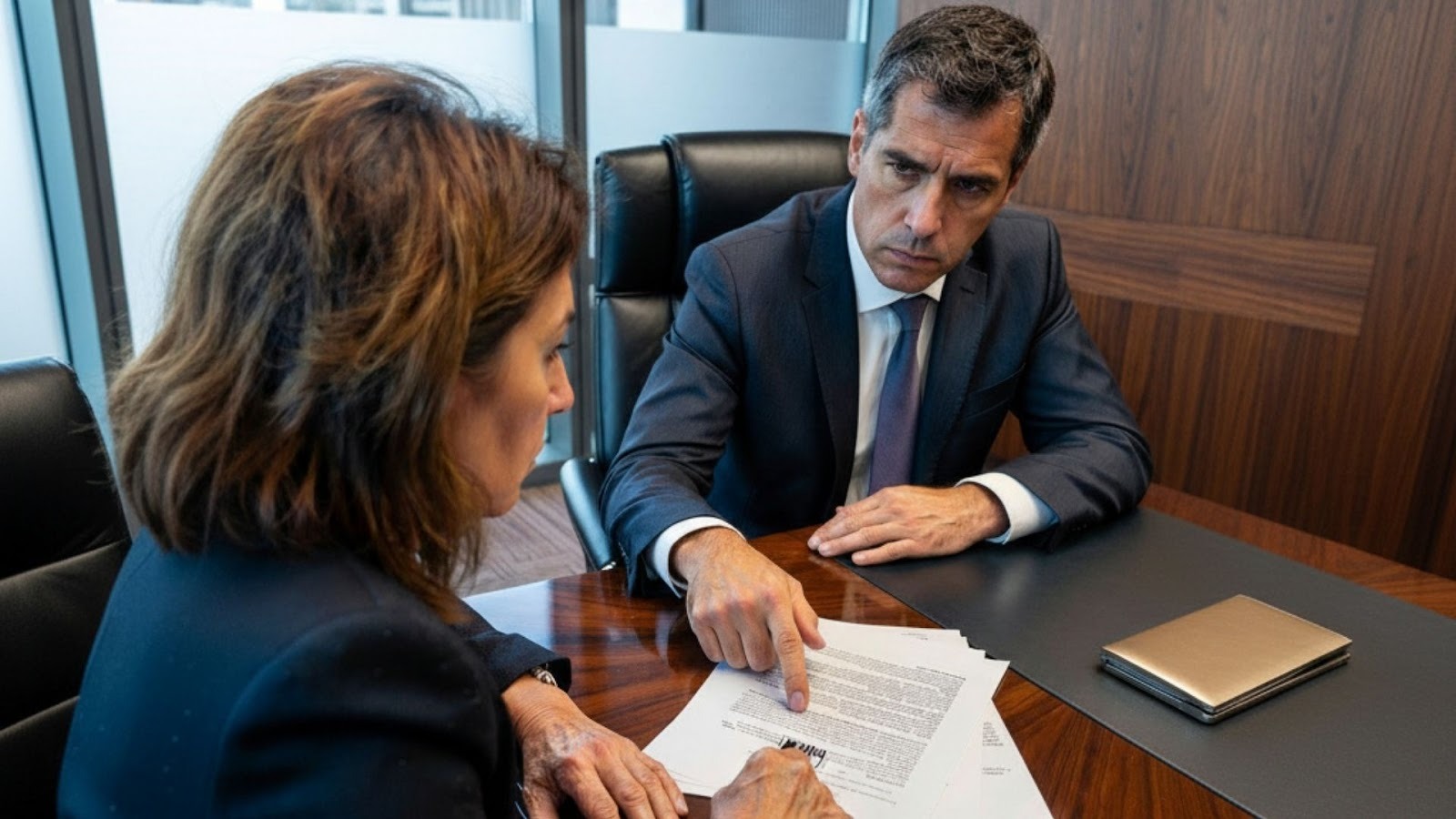
Speaking with a lawyer early gives you clarity. Not just about fault, but about how your case will unfold over time. A lawyer can review the evidence, identify gaps, and make sure nothing critical is overlooked.
More importantly, they deal directly with insurers. That means fewer chances for your words to be taken out of context or used against you later.
In Alberta, compensation rules can be strict, especially when it comes to minor injury caps and serious impairment thresholds. A lawyer understands how to position your claim so it reflects the true impact of your injuries, not just what appears on paper.
At Yanko Popovic Sidhu, clients work directly with experienced lawyers throughout the process. There’s no handoff to case managers, no layers between you and the person handling your file. That kind of direct involvement often leads to stronger, more focused representation.
Legal support is not just about going to court. In many cases, it’s about making sure your claim is taken seriously from the beginning.
What Compensation Can You Claim After a T-Bone Accident
Compensation after a t-bone accident depends on how the crash affected your health, your work, and your daily life.
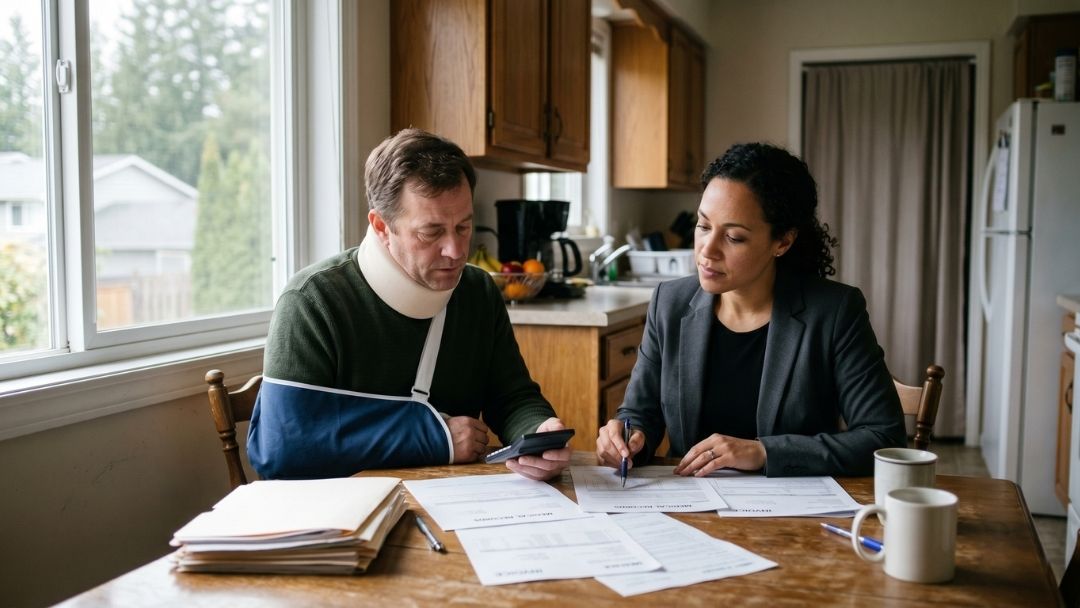
Medical expenses are usually the first category. This includes hospital care, physiotherapy, medication, and any future treatment you may need. For more serious injuries, long-term care costs can become a major part of the claim.
Loss of income is another key factor. If your injuries prevent you from working, either temporarily or permanently, you may be entitled to recover those lost earnings. In some cases, future earning capacity is also considered.
Pain and suffering compensation reflects the non-financial impact of the accident. This includes physical pain, emotional distress, and the overall effect on your quality of life. Alberta does have limits for minor injuries, but more serious cases fall outside that cap.
Out-of-pocket expenses, such as travel for medical appointments or home care support, may also be included.
Every claim is different. Two people involved in the same t-bone crash may receive very different outcomes depending on the severity of their injuries and how well the case is documented.
Steps to Take Immediately After Being T-Boned
What you do after a crash can shape the outcome of your entire claim. The goal is not just safety, it’s also preserving evidence and protecting your rights.
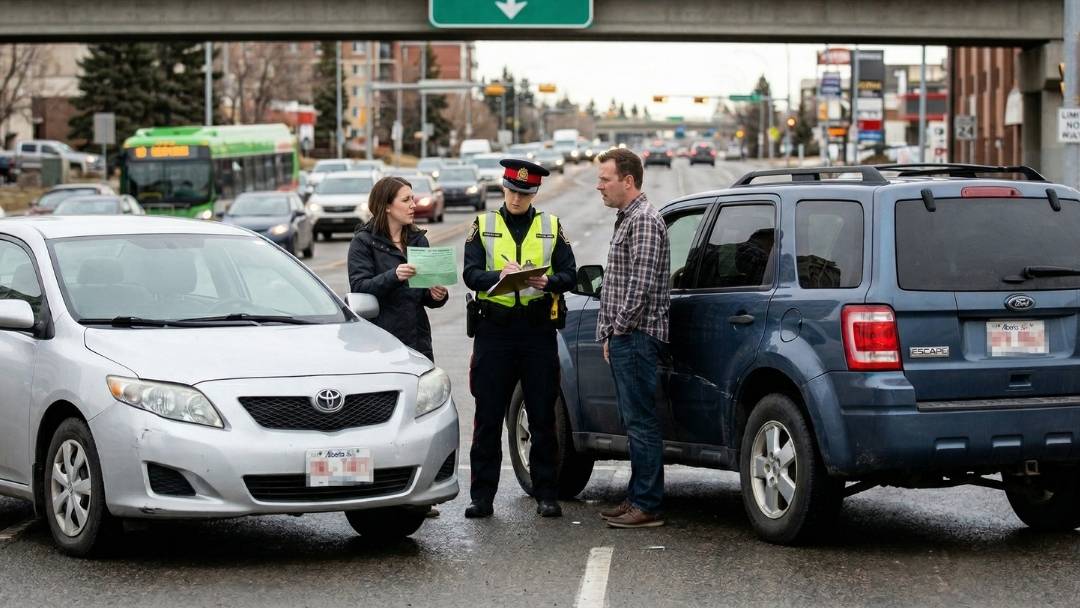
Start by checking for injuries. If anyone is hurt, call emergency services right away. Even if injuries seem minor, it’s better to have medical professionals assess the situation. Once it is safe, move vehicles out of traffic if possible. This reduces the risk of further collisions.
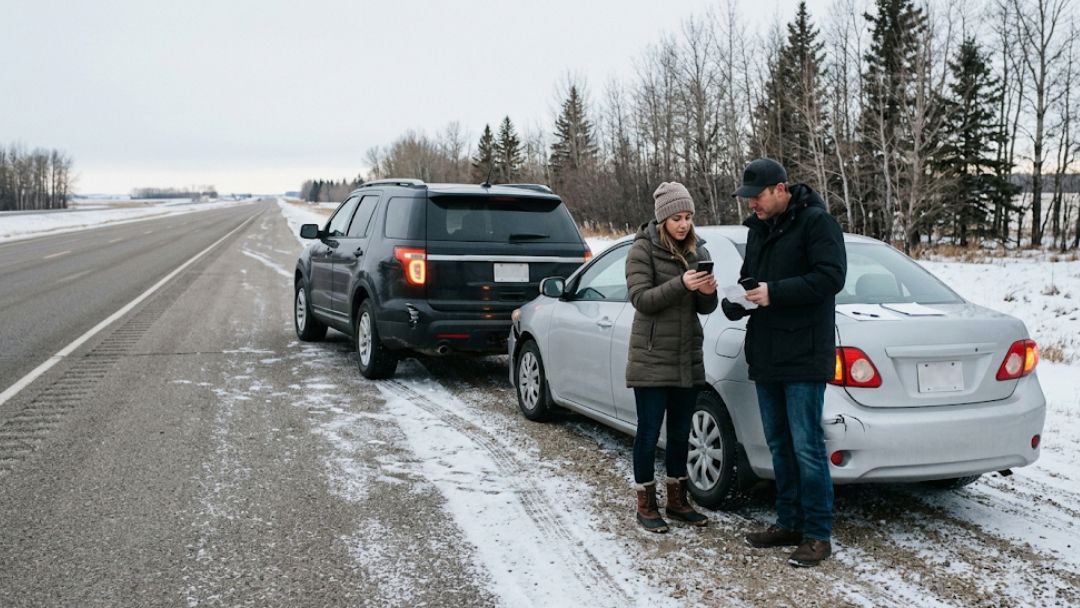
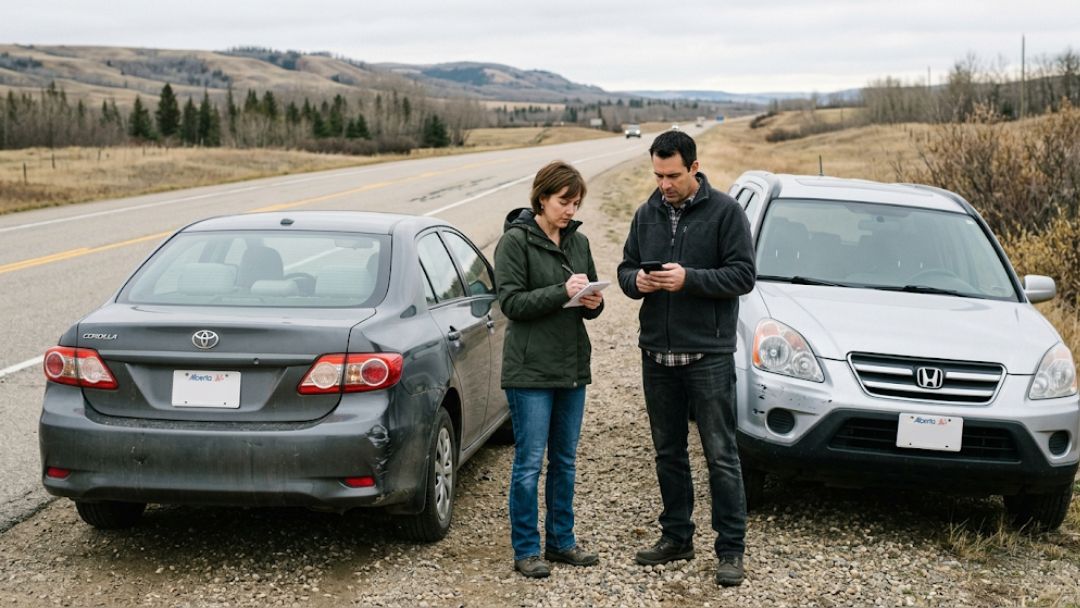
Exchange information with the other driver, including name, contact details, license number, and insurance information. Keep the interaction factual. Avoid discussing fault or apologizing, even casually.
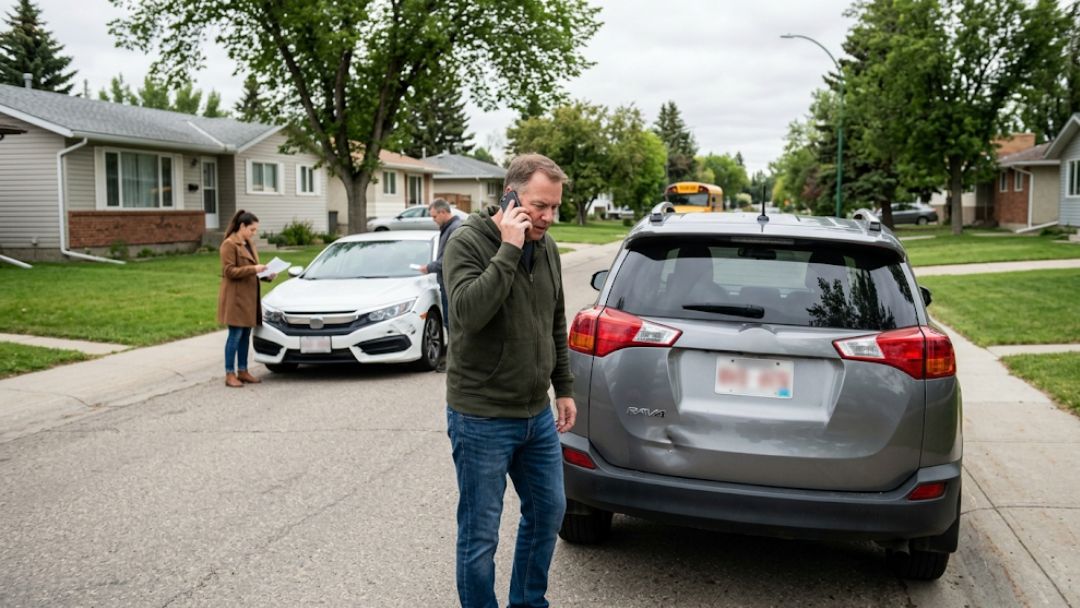
Take photos of everything. Capture vehicle positions, damage, road conditions, traffic signs, and any visible injuries. These images can later help reconstruct the accident. Look around for witnesses. If someone saw the crash, ask for their contact information. Independent accounts often carry weight when fault is disputed.
Report the accident as required under Alberta law. This step ensures there is an official record, which can support your claim later.
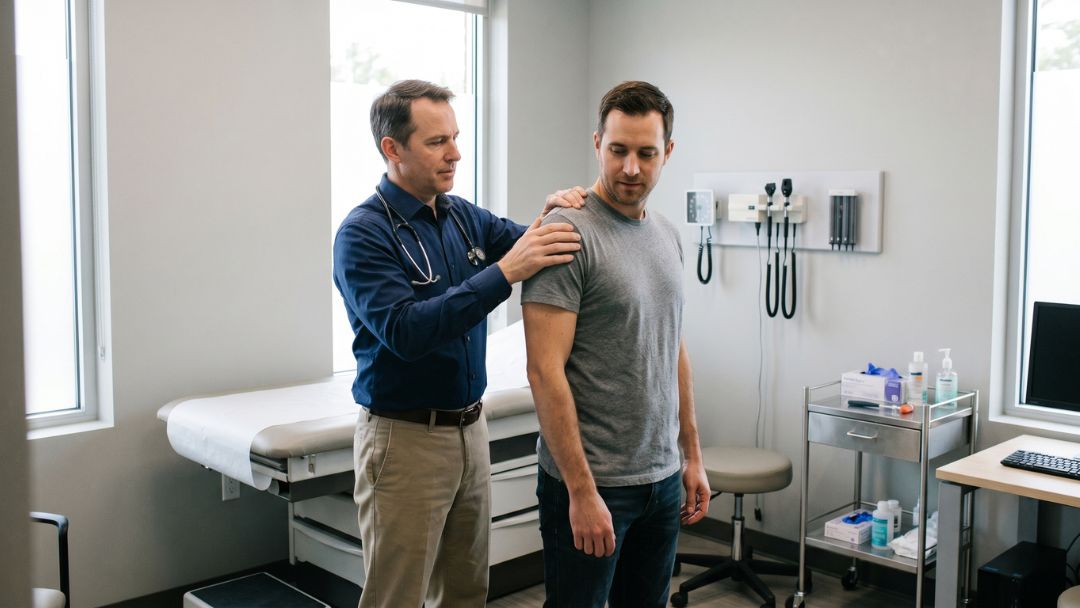
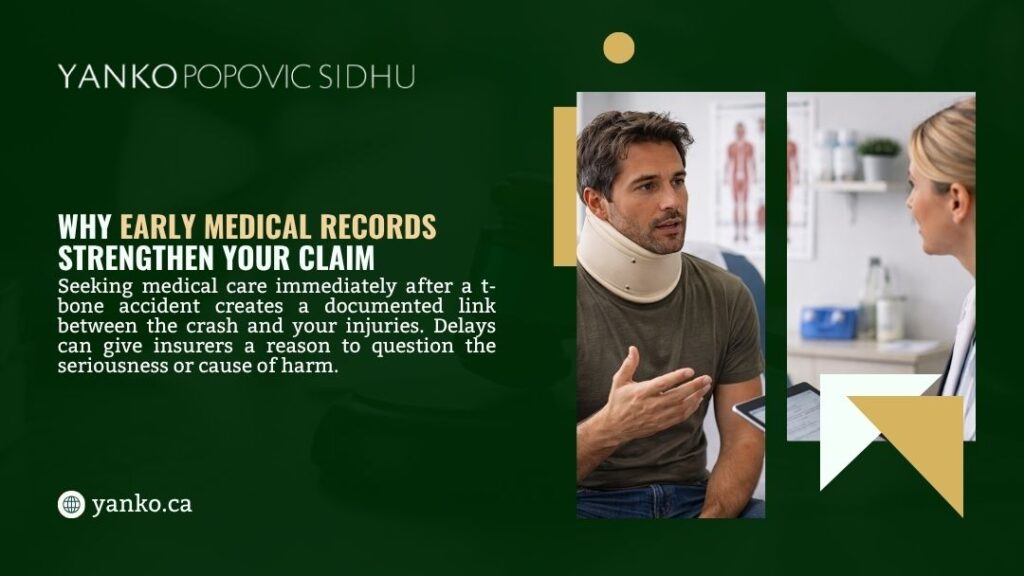
Seek medical attention as soon as possible. Some injuries, especially soft tissue or internal injuries, may not show immediate symptoms.
Finally, consider speaking with a lawyer before providing detailed statements to an insurance adjuster. Early advice can prevent costly mistakes that are difficult to fix later.
FAQs About T-Bone Accident Fault
Who is at fault if both drivers say they had a green light?
Evidence decides. Traffic cameras, witnesses, and vehicle data often reveal the truth.
Can fault change after the accident?
Yes. Initial reports may differ from final determinations after investigation.
What if there are no witnesses?
Physical evidence and expert analysis can still establish liability.
What not to say to the insurance adjuster?
Avoid statements that sound like admitting fault, even indirectly. Phrases like “I didn’t see them” or “I may have been going a bit fast” can be used against you. Keep your answers brief and factual. If you are unsure about something, it is better to say you don’t know than to guess.
What are the 5 W’s when submitting a claim?
A clear claim answers five essential questions: who was involved, what happened, when the accident occurred, where it took place, and why it happened. These details form the foundation of your case and help establish fault.
What are the two main reasons for denying a claim?
Claims are often denied due to a lack of evidence or disputes over liability. If the insurer believes fault is unclear or documentation is insufficient, they may reject or reduce the claim. This is why strong evidence and consistent records are critical.
Get the Right Help After a T-Bone Accident
A t-bone accident who is at fault question often becomes more complex than expected. What looks obvious at first can shift once evidence and insurance reviews come into play.
If you have been involved in a t-boned accident, getting clear legal guidance early can protect your claim and your future. The right approach helps secure fair compensation and prevents costly mistakes. Speaking with an experienced lawyer who handles personal injury cases across Alberta can make all the difference. A proper case review, backed by real legal experience, ensures your rights stay protected from day one.

Discover More