Written by Herman S. Sidhu, LL.B.
Speak with
a lawyer today
We’re here to guide you, answer your questions, and take responsibility for the process from the very beginning.
You don’t have to figure it out alone.
Suite 301, 300 Manning Road N.E.
Calgary, Alberta, T2E 8K4
Fri: 8 AM – 2 PM
Sat – Sun: Closed
+1 403-262-0262
info@yplaw.ca
We’ll review your case within 24 hours
Personal injury claims in Alberta help injured individuals recover compensation when accidents happen due to someone else’s negligence. If you’ve been hurt in Calgary or anywhere across Alberta, the law provides specific pathways to seek financial recovery for your losses. These claims become necessary when medical bills pile up, work becomes impossible, and daily life gets disrupted by injuries that weren’t your fault.
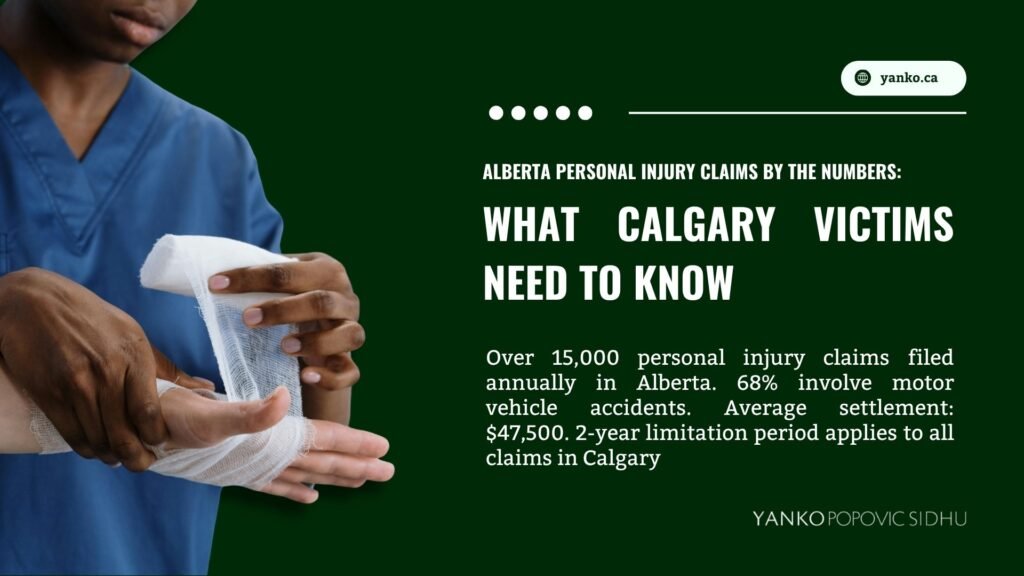
The Alberta legal system handles thousands of personal injury claims each year. Each case is evaluated based on evidence, medical documentation, and the specific circumstances surrounding the incident. Time limits apply to all personal injury claims – most must be started within two years of the accident date.
How Alberta’s Personal Injury Laws Work
Alberta follows a fault-based system for personal injury cases, meaning the person who caused the accident bears responsibility for damages. The province’s legal framework combines several key pieces of legislation that govern how these cases proceed and influence average personal injury compensation based on the specific facts and losses involved in each claim.
Legal ComponentPurposeKey RequirementsLimitations ActSets time limits for claims2-year deadline from injury dateInsurance ActGoverns insurance coverageMinimum $200,000 liability coverageMotor Vehicle Accident Claims ActHandles vehicle accident claimsFault determination rulesOccupiers’ Liability ActProperty owner responsibilitiesDuty of care on premises
The court system processes these claims through established procedures. Cases start with filing documents, move through discovery phases, and often resolve through settlements before reaching trial.
Types of Accidents That Lead to Personal Injury Claims
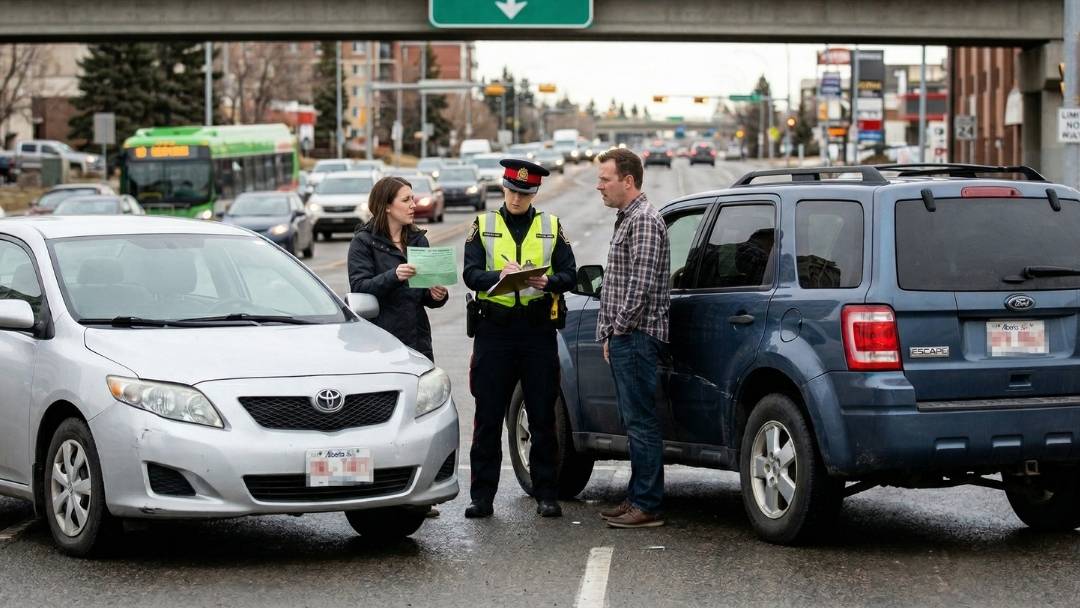
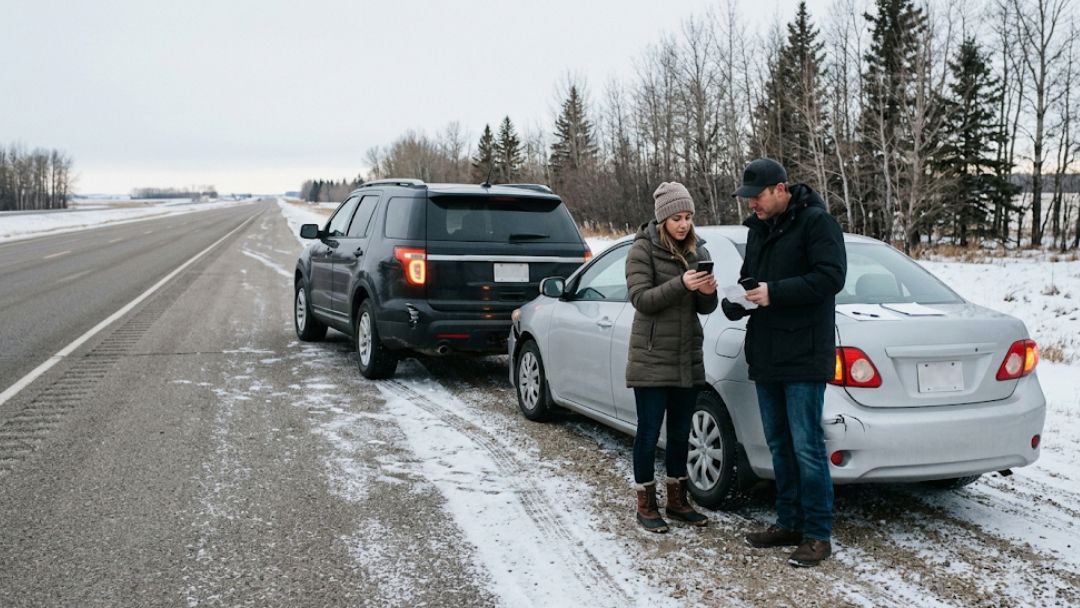
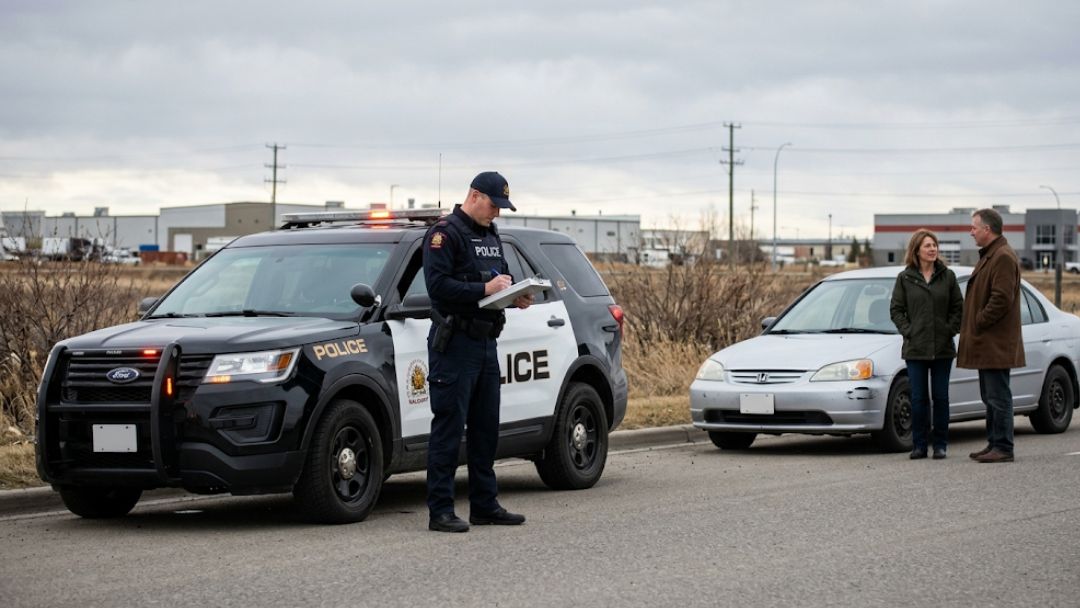
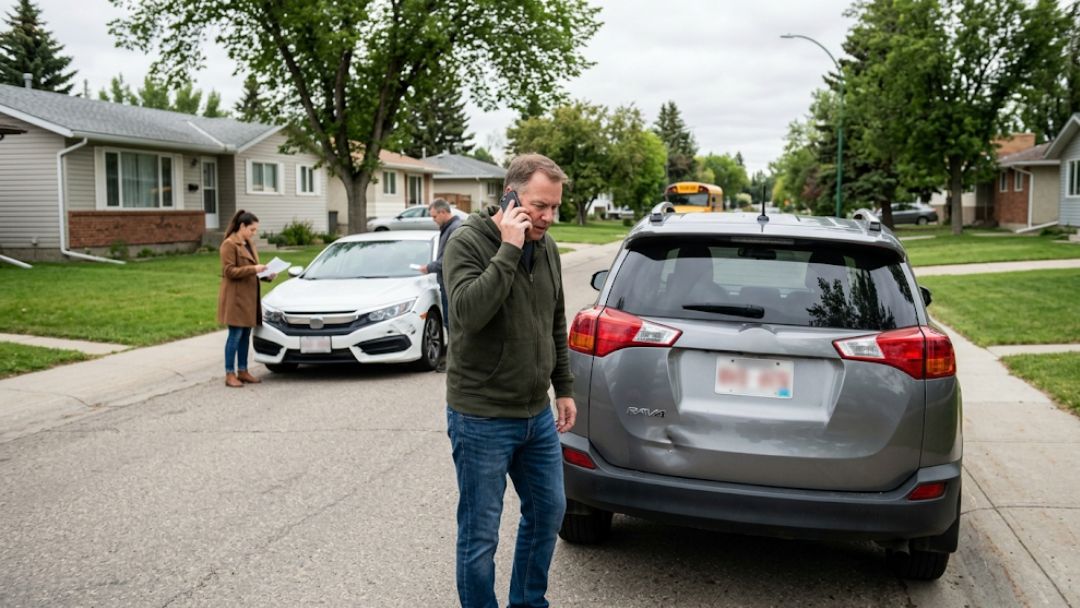
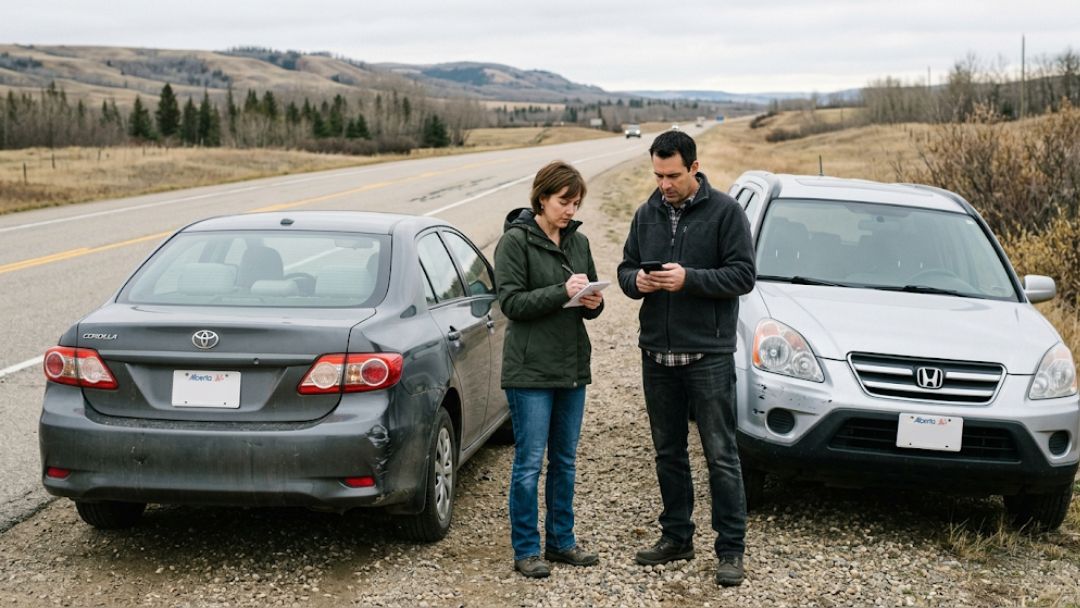
Different types of accidents create different legal challenges. Motor vehicle collisions are the most common category, and knowing what to do immediately after a car accident in Alberta can significantly affect both your safety and the strength of any future claim. These incidents range from minor fender-benders to serious crashes involving multiple vehicles.
Accident TypeCommon InjuriesAverage Settlement TimelineCar accidentsWhiplash, fractures, head trauma12-18 monthsSlip and fallBack injuries, broken bones8-14 monthsMedical errorsSurgical complications, misdiagnosis18-36 monthsWorkplace accidentsBurns, cuts, crushing injuries10-16 monthsProduct defectsVarious depending on product16-24 months
Car accident cases often involve complex insurance negotiations. In side-impact collisions, determining liability can be more complicated, especially when assessing T-Bone Accident Who Is At Fault, as multiple parties may share fault, which affects how much compensation gets awarded, especially in situations involving disputing fault car accident Alberta cases where liability is not immediately clear.
Slip and fall incidents require proving the property owner knew about the dangerous condition or should have known about it. Weather conditions, maintenance records, and witness statements become crucial evidence.
Medical malpractice claims demand extensive expert testimony. Doctors, nurses, and other healthcare providers must meet specific standards of care – when they don’t, patients can seek compensation for resulting harm.
What Compensation Covers in Personal Injury Cases
Alberta law recognizes several types of damages that injured people can claim. These damages are calculated based on actual losses and future needs.
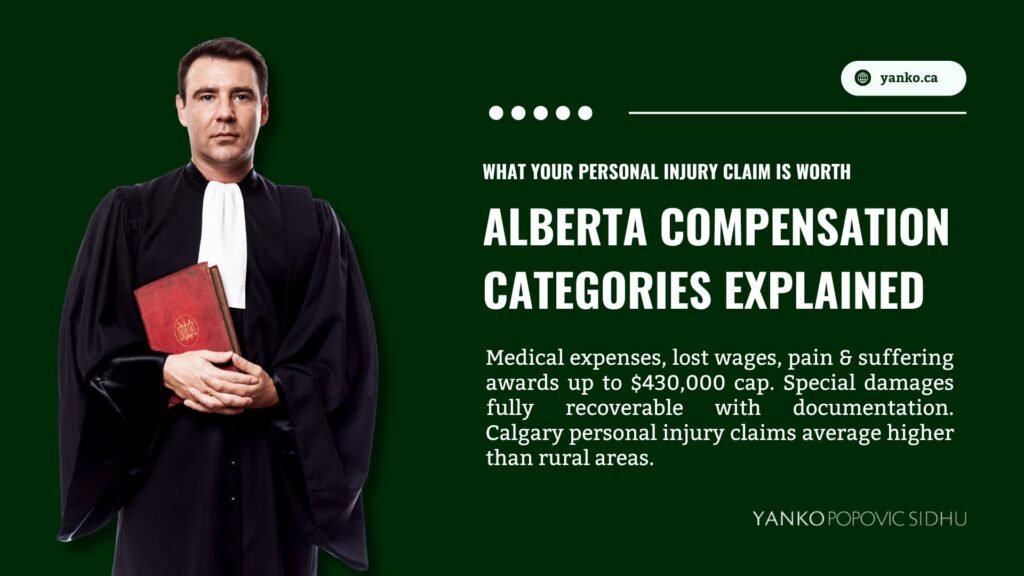
Damage CategoryWhat It IncludesHow It’s CalculatedMedical expensesHospital bills, prescriptions, therapyActual costs plus future medical needsLost wagesMissed work time, reduced earning capacityPast income loss plus future projectionsPain and sufferingPhysical pain, emotional distressCourt assessment up to $430,000 capProperty damageVehicle repairs, personal belongingsReplacement or repair costsCare costsHome nursing, assistance with daily tasksMarket rates for required services
Pain and suffering awards follow guidelines established by Canadian courts. The most severe injuries – those causing permanent disability or chronic pain – receive the highest awards within the legal cap.
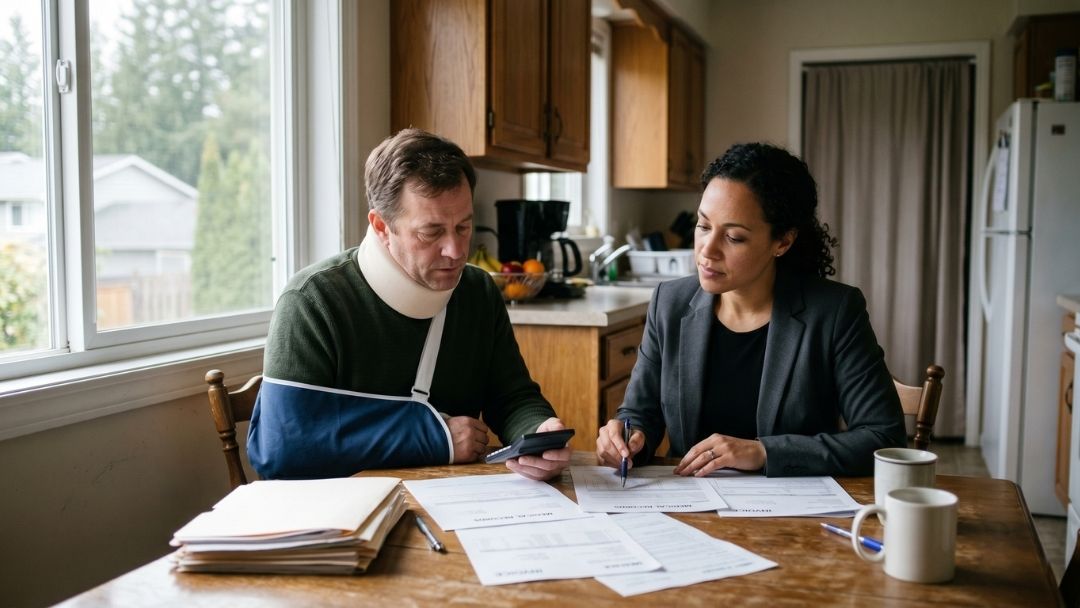
Special damages require receipts and documentation. Keep all bills, prescriptions, and expense records related to your injury. These costs are fully recoverable when properly documented.
The Claims Process Step by Step
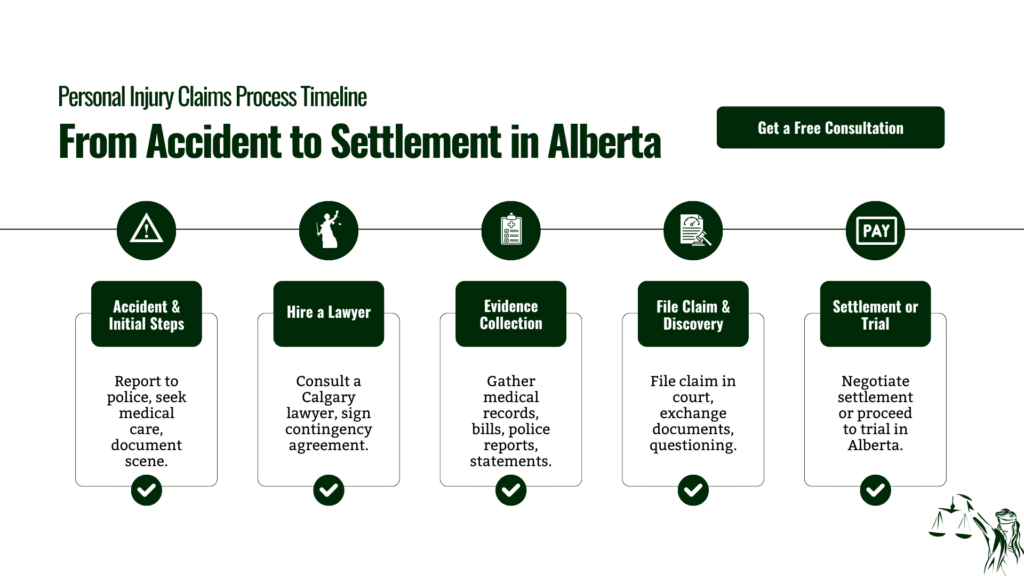
Personal injury claims follow a structured process in Alberta. Each step builds on the previous one, creating a comprehensive case for compensation.
Process StageTypical DurationKey ActivitiesInitial consultation1-2 hoursCase evaluation, evidence reviewInvestigation2-4 monthsGather medical records, witness statementsDemand letter1 monthFormal settlement request to insuranceNegotiations3-6 monthsBack-and-forth settlement discussionsLitigation filing1 monthCourt documents filed if no settlementDiscovery6-12 monthsEvidence exchange, depositionsTrial preparation2-4 monthsExpert witnesses, trial strategyResolutionVariesSettlement or trial verdict
Medical treatment takes priority over legal proceedings. Injured parties should focus on recovery while lawyers handle the legal aspects. This approach often leads to better outcomes in both health and compensation.
Documentation becomes critical throughout this process. Insurance companies scrutinize every detail, looking for reasons to reduce or deny claims. Proper legal representation protects against these tactics.
Factors That Affect Your Claim’s Success
Several elements influence how much compensation you might receive. Some factors are within your control, while others depend on circumstances beyond anyone’s influence.
Success FactorHigh ImpactMedium ImpactLow ImpactInjury severityPermanent disability, chronic painTemporary limitationsMinor injuries, quick recoveryLiability clarityClear fault, strong evidenceSome disputed factsShared responsibilityMedical documentationDetailed records, expert opinionsBasic treatment notesIncomplete recordsLost income proofPay stubs, tax returnsEstimates, projectionsNo income loss
Catastrophic injuries such as spinal cord damage or brain trauma require lifelong care. These cases receive the highest compensation awards because the financial impact extends for decades.
Pre-existing conditions don’t prevent compensation, but they affect how damages are calculated. Alberta courts apply the “thin skull” rule – defendants must compensate for worsening pre-existing conditions.
Special Considerations for Different Accident Types
Certain accidents require specialized legal approaches due to unique regulations or circumstances.
Accident TypeSpecial ConsiderationsUnique ChallengesMotorcycle crashesSevere injury potential, bias issuesProving protective gear usePedestrian strikesRight-of-way rules, visibility factorsWeather and lighting conditionsHit-and-run casesUnknown defendant, insurance coverageIdentifying responsible partyTruck accidentsCommercial regulations, multiple partiesFederal safety complianceMedical errorsProfessional standards, expert testimonyComplex medical evidence
Wrongful death claims bring additional complexity because families must prove financial dependency and loss of guidance. These cases carry both emotional weight and significant financial implications.
Insurance Company Tactics and How to Counter Them
Insurance companies use various strategies to minimize claim payouts. Recognizing these tactics helps injury victims protect their interests.
Insurance TacticHow It WorksEffective Counter-StrategyQuick settlement offersLow offers before full injury extent knownWait for complete medical assessmentRecorded statementsLooking for inconsistencies or admissionsConsult lawyer before giving statementsSurveillanceMonitoring activities to challenge injury claimsBe honest about limitations and capabilitiesDelay tacticsHoping claimants will accept lower offersMaintain pressure through legal representationMedical exam requestsIndependent exams to dispute injury severityPrepare thoroughly, bring representation
Early settlement offers rarely reflect the true value of claims. Insurance companies know that medical complications often emerge weeks or months after accidents. Accepting early offers can leave significant compensation on the table.
When to Settle vs. Go to Trial
Most personal injury claims are settled before reaching trial, but the decision requires careful consideration of multiple factors.
Settlement BenefitsTrial BenefitsKey ConsiderationsFaster resolution, lower costsPotential for higher awardsStrength of evidenceGuaranteed outcomePublic record of accountabilityClient preferences and needsPrivacy maintainedPrecedent value for future casesInsurance company’s settlement offerReduced stressFull compensation possibleRisk tolerance
Settlement negotiations often continue throughout the legal process. Many cases settle during mediation sessions or just before trial dates. Experienced lawyers can assess when settlement offers fairly compensate for injuries and losses.
Get the Legal Help You Need
Personal injury claims in Alberta involve complex legal procedures and aggressive insurance company tactics. The two-year limitation period means that delays can cost you your right to compensation permanently. Our firm has secured millions in compensation for Calgary residents over four decades of practice.
We handle every aspect of your claim while you focus on recovery. Our contingency fee arrangement means you pay nothing until we win your case. This approach aligns our interests with yours – we succeed only when you do.
Contact our experienced team today for a free consultation about your personal injury claim. We’ll evaluate your case, explain your options, and outline the best strategy for securing maximum compensation. Don’t let insurance companies take advantage of your situation – protect your rights by getting professional legal representation now.
Moving Forward After Your Injury
Personal injury claims serve an important purpose beyond individual compensation. They hold negligent parties accountable and create incentives for safer behavior. When businesses and individuals face financial consequences for causing harm, they become more careful about preventing future accidents.
Recovery AspectLegal SolutionLong-term BenefitMedical expensesFull cost recoveryFocus on healing, not billsLost incomeWage replacementFinancial stability maintainedFuture care needsStructured settlementsOngoing support securedPain and sufferingNon-economic damagesRecognition of impact
The legal system provides these remedies because injuries affect every aspect of life. Physical pain combines with financial stress to create overwhelming challenges for accident victims and their families.
Recovery from serious injuries takes time, patience, and resources. Proper legal representation ensures that responsible parties provide the resources needed for complete recovery. This support makes the difference between struggling with injury consequences and having the means to rebuild your life.
Your personal injury claim represents more than just seeking money – it’s about holding others accountable for their actions and securing the resources you need to move forward. With experienced legal guidance, you can navigate this process successfully and focus on what matters most: your recovery and your future.

Discover More