Written by Herman S. Sidhu, LL.B.
Speak with
a lawyer today
We’re here to guide you, answer your questions, and take responsibility for the process from the very beginning.
You don’t have to figure it out alone.
Suite 301, 300 Manning Road N.E.
Calgary, Alberta, T2E 8K4
Fri: 8 AM – 2 PM
Sat – Sun: Closed
+1 403-262-0262
info@yplaw.ca
We’ll review your case within 24 hours
If you’ve been in an accident in Alberta, one question comes up fast: who’s at fault? The answer isn’t always obvious. Fault is determined using evidence, traffic laws, and insurance rules that apply across the province. Even being partly responsible can affect your compensation. Understanding how is fault determined car accident alberta can help you protect your rights and avoid costly mistakes.
How Is Fault Determined Car Accident Alberta
Here’s how it works in real terms. After a car accident in Alberta, insurance companies don’t rely on guesswork. They follow a structured fault determination process that looks at what happened, who broke traffic laws, and what evidence supports each version of events.
When insurers assess how is fault determined car accident alberta, they review police reports, witness statements, photos of vehicle damage, and sometimes traffic cameras. Each piece of information helps reconstruct the accident.
The insurance company then applies Alberta’s fault determination rules. These rules assign responsibility based on common accident scenarios. If one driver clearly violated traffic laws, say, by running a red light or speeding, that driver is usually considered at fault.
But here’s the catch. Not every case is clear-cut. Sometimes, both parties involved share responsibility. That’s where contributory negligence in Alberta comes into play, and compensation may be reduced accordingly.
What Are Fault Determination Rules in Alberta
Fault determination rules are standardized guidelines insurers use to decide who caused a motor vehicle accident. They exist to keep decisions consistent across cases.
These rules don’t replace the law, but they strongly influence how insurance companies assign fault to drivers after a collision. They cover common situations like rear-end collisions, left turns, and lane changes.
Below is a simplified view of how these rules often apply:
ScenarioLikely Fault OutcomeRear-end collisionThe rear driver is usually at faultLeft turn accidentThe driver is often at faultRunning a red lightThe driver who ran the light at faultLane change collisionThe driver changing lanes is at fault
These rules help insurers make quick decisions, but they aren’t final if strong evidence tells a different story.
What Evidence Is Used to Determine Fault
Evidence plays a central role in determining fault. Without it, even the most obvious accident can become disputed.
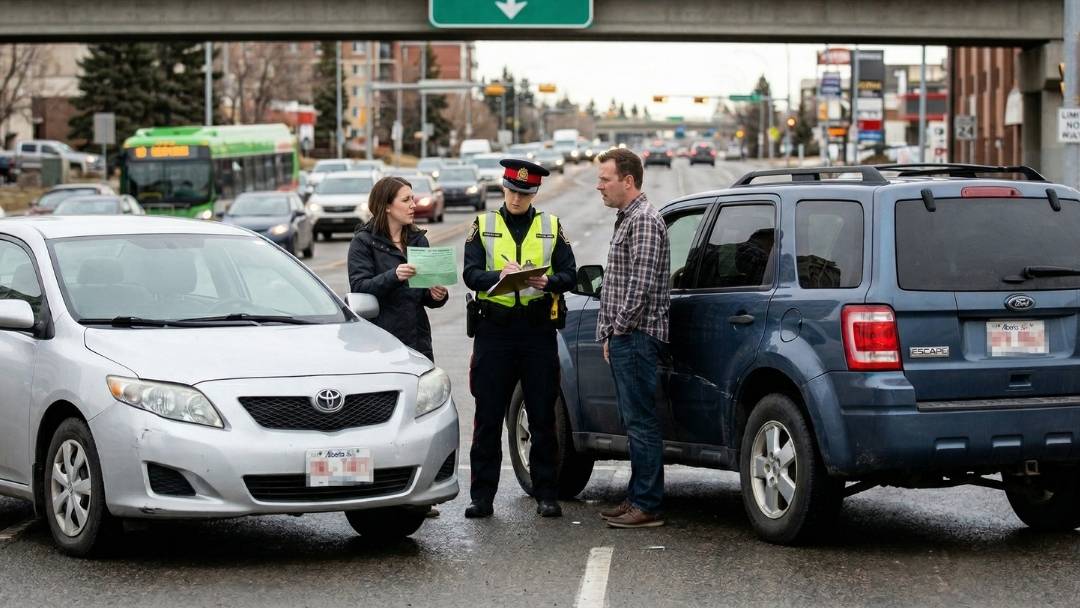
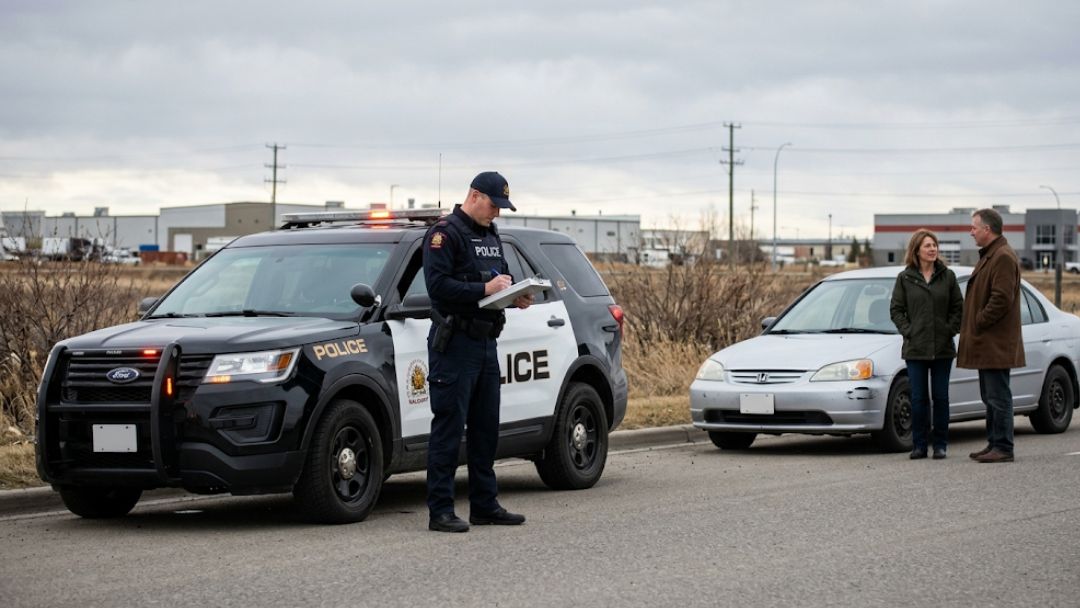
Police reports often provide the first official account. Officers may note violations of traffic laws, road conditions, and statements from drivers. While not always final, these reports carry weight.
Witness statements can shift a case entirely. An independent observer who saw a driver run a red light or ignore a stop sign can influence the outcome significantly.
Vehicle damage tells its own story. The location and severity of impact often reveal how the accident occurred. For example, damage to the rear of a vehicle usually supports a rear-end collision claim.
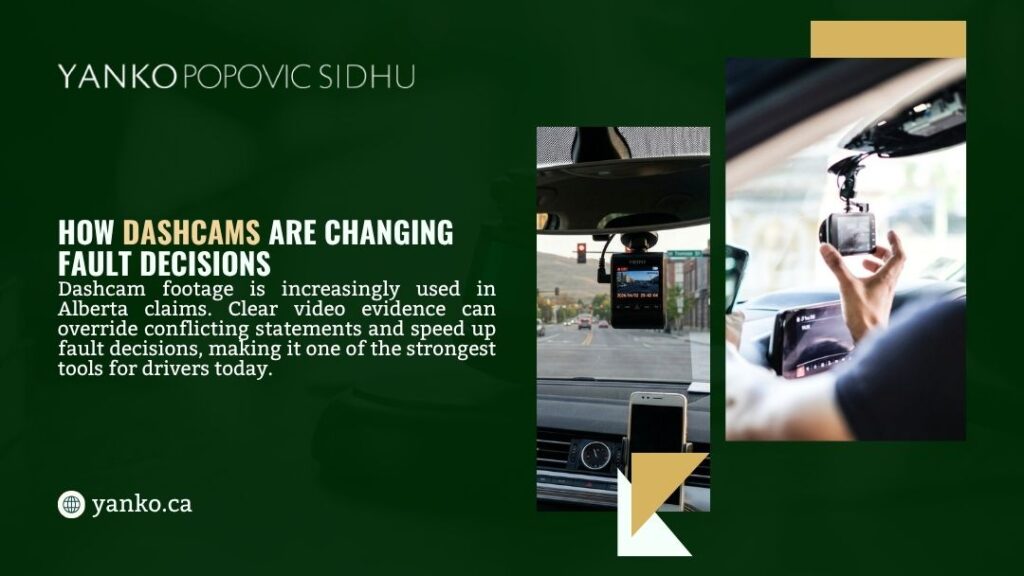
Traffic cameras, when available, provide some of the strongest evidence. Footage showing the exact moment of a crash can settle disputes quickly.
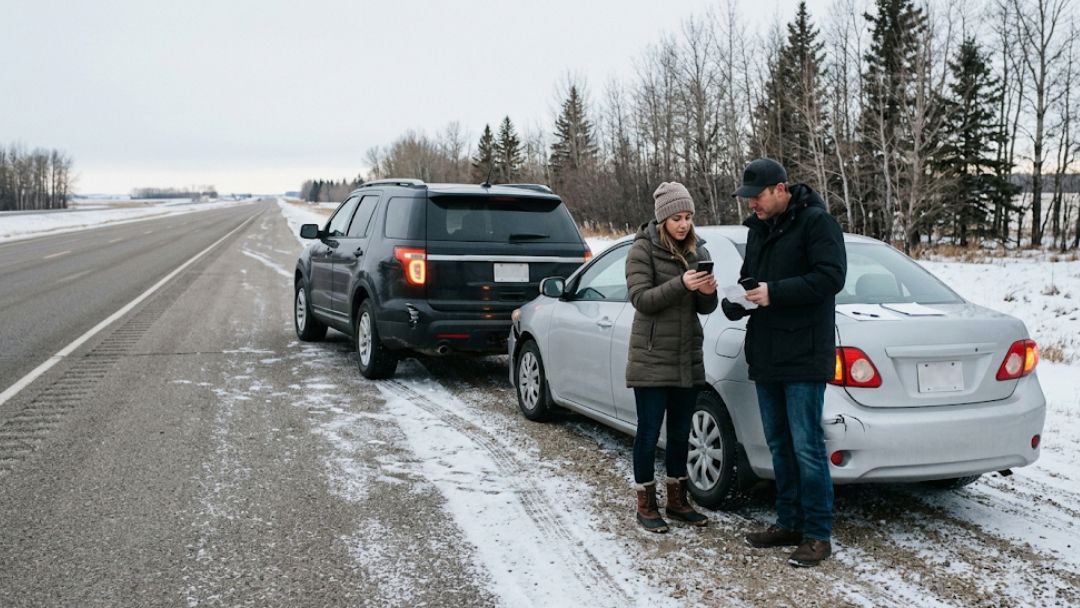
Photos taken at the scene also matter. Skid marks, road signs, and vehicle positions help reconstruct events more accurately.
Common Car Accident Scenarios and Who Is at Fault
Certain accident types show up so often that insurers already have a framework to assess them. Still, the final decision always depends on evidence and context.
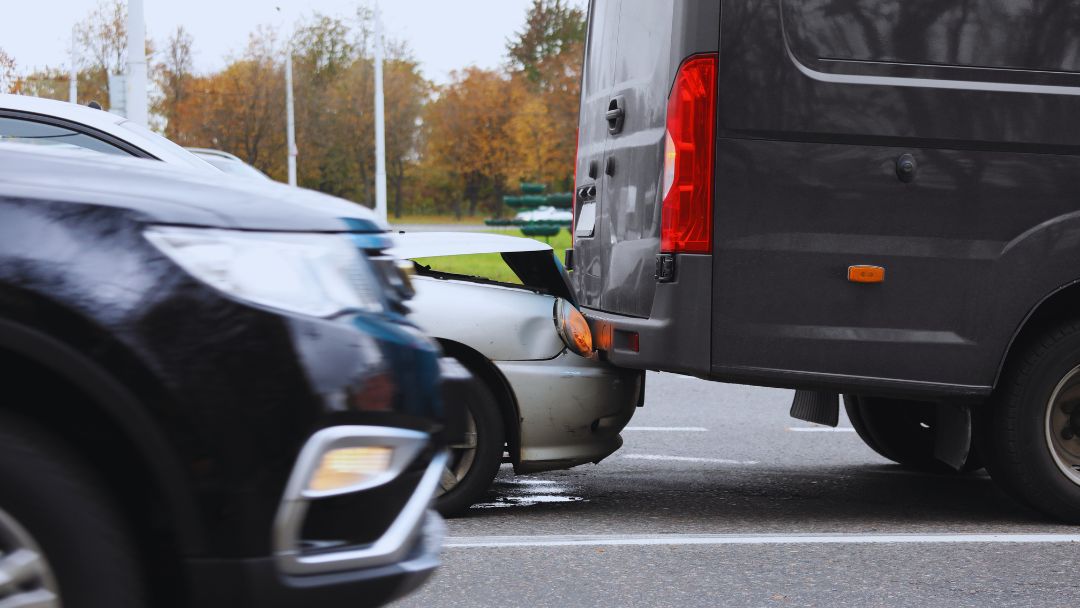
Rear-end collisions are the most straightforward. The driver behind is usually considered at fault because they’re expected to maintain a safe following distance. However, exceptions exist. If the front driver suddenly brakes without reason or has faulty brake lights, the situation can shift.
Left-turn accidents are another common scenario. The driver making the turn must yield to oncoming traffic. If they misjudge speed or distance, the fault typically falls on them. But if the oncoming driver was speeding or ran a signal, responsibility may be shared.
T-bone collisions often happen at intersections. These cases usually come down to who had the right of way. If one driver ran a red light, that becomes a strong indicator of fault. Traffic camera footage can be critical here.
Parking lot accidents tend to be less clear. Drivers are expected to move cautiously in these spaces, so shared fault is more common. For example, if both vehicles are reversing at the same time, insurers may assign partial responsibility to each.
What matters in all these scenarios isn’t just the type of accident, it’s what each driver did in the moments leading up to it.
What Happens If Both Drivers Are at Fault in Alberta
Not every accident has a single fault driver. In many cases, both parties involved share responsibility. This is where contributory negligence in Alberta becomes important. If you are partially at fault, your compensation is reduced by your percentage of responsibility.
Fault PercentageCompensation Impact0%Full compensation25%Reduced by 25%50%Split responsibility75%Majority reduction
So if you’re found 30% responsible, your total compensation drops by that same percentage. That’s why understanding how fault is determined car accident in Alberta matters so much, it directly affects what you recover.
How Insurance Companies Decide Fault After an Accident
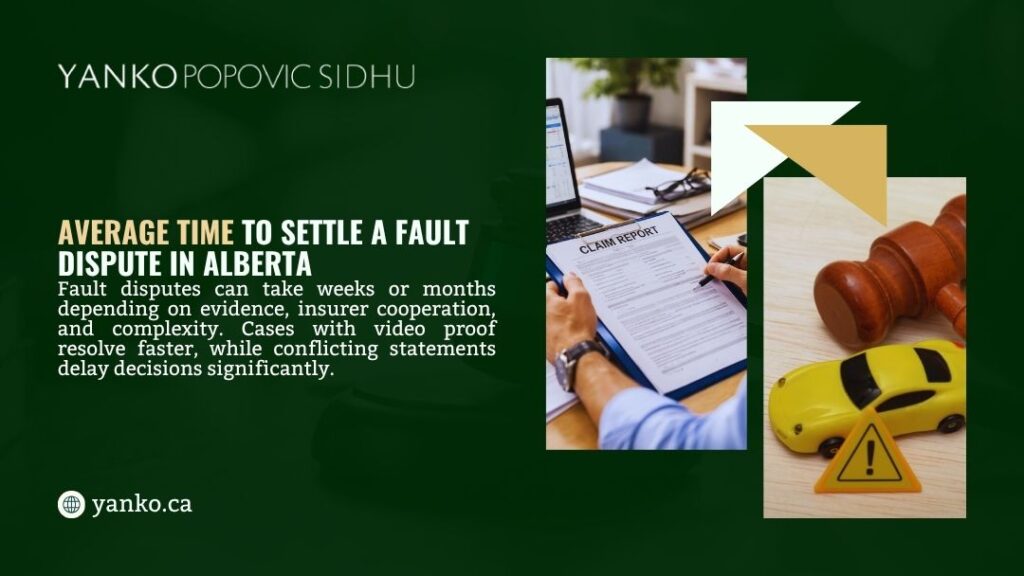
Once a claim is filed, the insurance company begins its own investigation. This process is more detailed than most people expect.
Adjusters gather statements from drivers and witnesses. They compare these accounts against physical evidence, such as vehicle damage and scene photos. Even small inconsistencies can influence the outcome.
They also review police reports, though these are not always final. If new evidence emerges, like video footage or expert analysis, the insurer may reassess fault.
Another factor is how closely each driver followed traffic laws. A clear violation, such as running a red light or failing to yield, often carries more weight than conflicting statements.
But here’s where things get complicated. Insurance companies operate as businesses. Their goal is to manage costs, which means they may look for ways to assign partial fault or reduce liability.
That’s why understanding how is fault determined car accident alberta isn’t just about knowing the rules, it’s about recognizing how decisions are actually made behind the scenes.
Can You Dispute Fault in a Car Accident in Alberta
Yes, and it happens more often than people realize. Fault decisions are not set in stone. If you believe the insurer got it wrong, you have the right to challenge that determination.
The first step usually involves presenting stronger evidence. This might include additional witness statements, expert accident reconstruction, or footage that wasn’t initially available.
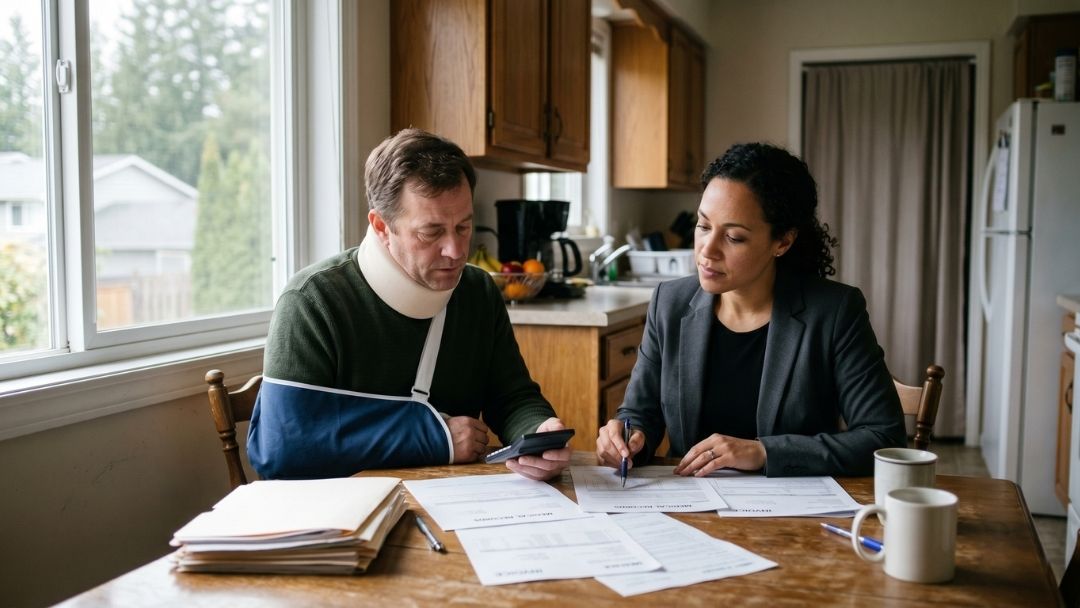
In some cases, medical records can also play a role, especially if the timing or severity of injuries contradicts the insurer’s version of events.
Disputing fault isn’t just about proving the other driver was wrong; it’s about showing that the original assessment was incomplete or inaccurate.
Timing matters as well. The sooner you act, the easier it is to gather reliable evidence and preserve details that might otherwise be lost.
Why Determining Fault Matters for Compensation
Fault isn’t just about blame; it directly affects your financial recovery. If you’re not at fault, you may be entitled to full car accident compensation, including medical expenses, lost income, and property damage.
Pain and suffering compensation, also known as non-pecuniary damages, may apply in serious cases. These damages account for physical pain and emotional distress.
For a deeper understanding of how claims are structured, a personal injury settlement depends on factors such as the severity of injuries, medical expenses, lost income, and liability. Even being partially at fault can reduce what you receive. That’s why the question of how is fault determined car accident alberta carries real financial consequences.
When to Speak With a Personal Injury Lawyer
There’s a point where handling a claim on your own can put you at a disadvantage. If fault is disputed, injuries are serious, or the insurance company pushes back, it’s worth speaking with someone who understands the system inside and out.
A lawyer doesn’t just step in after problems arise. Early guidance can prevent mistakes that weaken your case later. They know what evidence matters, how insurers operate, and how to present a claim effectively.
This becomes even more important in cases involving long-term injuries, lost income, or ongoing medical care. These aren’t simple claims, and the financial stakes can be high.
Having direct access to an experienced legal team, like the approach taken at Yanko Popovic Sidhu, means your case isn’t passed around or handled indirectly. Instead, it’s managed with consistent attention from start to finish.
Key Mistakes That Can Affect Fault Determination
Many people unintentionally harm their own claims without realizing it. One of the biggest mistakes is speaking too freely at the scene. Saying “I’m sorry” or speculating about what happened can later be interpreted as admitting fault.
Another issue is failing to collect evidence. Without photos, witness contact details, or notes about road conditions, it becomes harder to challenge an incorrect version of events.
Delaying medical treatment is also risky. If injuries aren’t documented early, insurers may question whether they were caused by the accident at all.
Communication with the insurance company can also create problems. Providing recorded statements without preparation may lead to inconsistencies that weaken your position.
In short, small decisions made in the first hours after an accident can have long-term consequences.
Understanding Alberta Traffic Laws and Their Role
Traffic laws are at the heart of how fault is determined. They establish what each driver is expected to do in specific situations.
When a driver breaks these rules, it often becomes the foundation for assigning fault. For example, failing to yield, speeding, or ignoring traffic signals can directly influence the outcome of a claim.
These laws also help insurers interpret accident scenarios. Instead of relying on opinion, they look at whether each driver met their legal responsibilities. Here’s how common violations impact fault:
Traffic ViolationImpact on FaultRunning a red lightStrong evidence of faultFailing to yieldLikely assignment of responsibilitySpeedingMay increase the percentage of faultImproper lane changeOften leads to shared or full fault
Even when both drivers make mistakes, traffic laws help determine how responsibility is divided.
FAQs
How long does an at-fault accident stay on your record in Alberta?
An at-fault accident typically remains on your insurance record for about six years in Alberta. During that time, it can affect your premiums and risk profile.
What’s the biggest mistake people often make when dealing with an insurance claim?
The most common mistake is providing statements too quickly without understanding the implications. Even small inconsistencies can be used to reduce or deny a claim.
How do you prove it’s not your fault?
Strong evidence is key. This includes witness statements, photos, traffic camera footage, and police reports. The more objective the evidence, the stronger your position.
Is it always your fault if you rear-end somebody?
Not always, but in most cases, yes. The rear driver is expected to maintain a safe distance. However, sudden stops or mechanical issues can shift responsibility.
What evidence helps determine fault?
Police reports, witness statements, vehicle damage, photos, and traffic cameras are among the most important pieces of evidence used in the fault determination process.
Can both drivers be at fault in Alberta?
Yes. Alberta follows contributory negligence rules, meaning both drivers can share responsibility based on their actions.
Do insurance companies always get fault decisions right?
Not necessarily. Fault determinations can be challenged, especially if new evidence becomes available or if the initial review was incomplete.
Does fault affect compensation after an accident?
Yes. If you are partially at fault, your compensation is reduced based on your percentage of responsibility
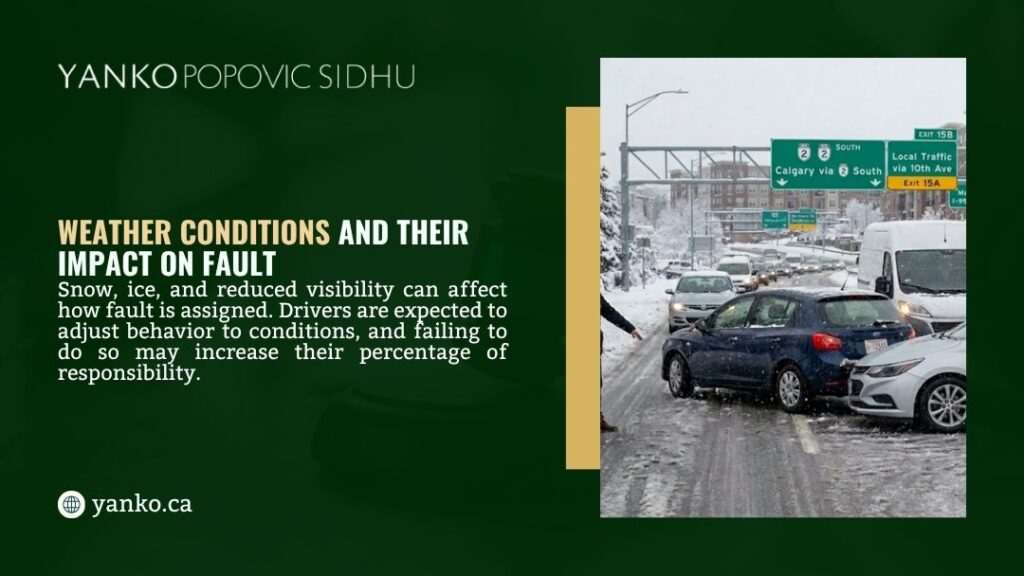
What You Should Remember
Fault in Alberta comes down to facts, not assumptions. Insurance companies rely on evidence, traffic laws, and established rules to decide who is responsible. Even a partial fault can reduce what you recover, which is why every detail matters.
Understanding how is fault determined car accident alberta puts you in a stronger position. It helps you avoid common mistakes, respond confidently, and protect your claim from the start.
If you’re dealing with uncertainty, pushback from an insurer, or a situation that doesn’t feel right, getting the right guidance can make all the difference. The team at Yanko Popovic Sidhu takes a direct, hands-on approach, working closely with clients to ensure their case is handled properly from beginning to end.

Discover More