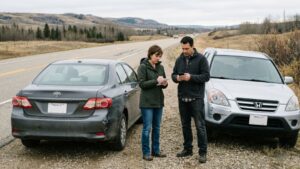
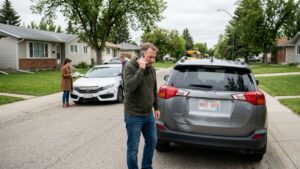
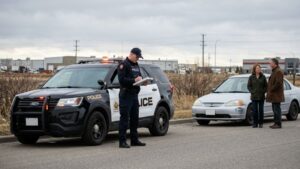
A minor car accident in Alberta can seem harmless until pain, repair costs, insurance calls, or settlement pressure show up later. Should I call a lawyer after a minor car accident Alberta? In many cases, yes, at least for a consultation. Calling a lawyer does not mean you must start a lawsuit. It means you can understand your rights before you accept blame, sign a release, give a recorded statement, or settle a claim before the full injury picture is clear.
In this article, we explore when a minor car accident in Alberta may require legal advice, how insurance issues can affect your claim, and why early guidance can protect your right to compensation.
Should I call a lawyer after a minor car accident alberta
The practical answer is this: if there is pain, medical treatment, missed work, unclear fault, a damaged vehicle, or pressure from an insurance company, it is smart to call a personal injury lawyer after a minor accident in Alberta.
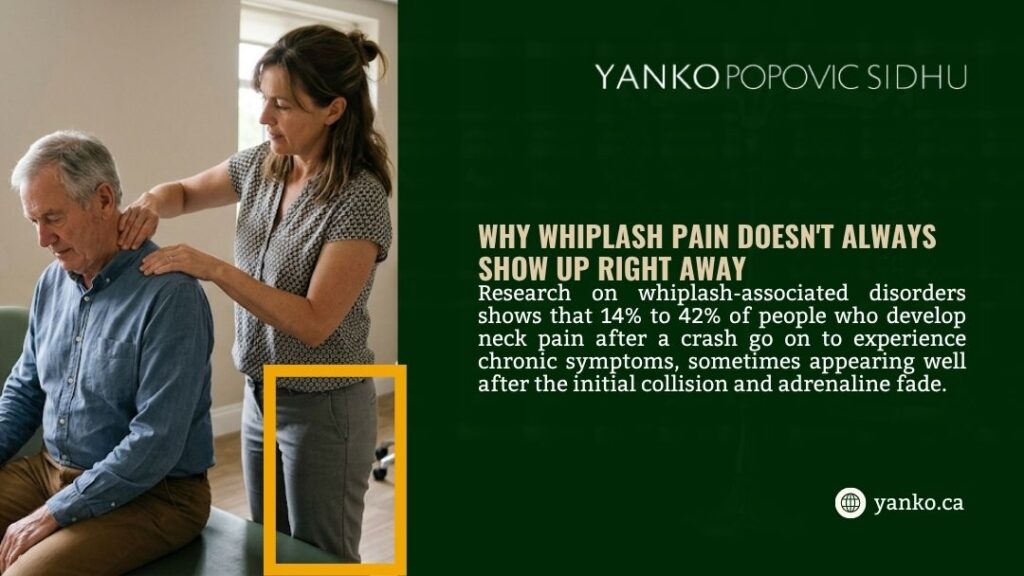
A minor crash can still create real legal and financial problems. Soft-tissue injuries, whiplash, headaches, lower back pain, shoulder pain, anxiety, and sleep issues often show up after the adrenaline fades. A person may feel fine at the roadside and still need medical attention within a day or two. That gap matters because the insurance company may later question whether the personal injuries came from the accident at all.
There is also the insurance side. The driver’s insurance company, your own insurer, and the insurance adjuster may all need information. Some questions sound harmless, but answers given too early can affect the personal injury claim. That is why the question “should I call a lawyer after a minor car accident Alberta” usually deserves a cautious answer. If something feels off, get legal advice before the claim moves too far.
When a Small Crash Is Not So Small Under Alberta Insurance Law
The word “minor” can mean different things to different people. To a driver, it may mean low speed or light damage. To a repair shop, it may mean a vehicle damaged enough to need thousands of dollars in parts and labour. To an insurer, it may involve the Minor Injury Regulation. To the injured person, it may mean weeks of pain, medical expenses, time off work, and stress.
That difference matters. A dented bumper does not prove the body escaped harm. A stiff neck may not seem serious on day one, yet it can affect sleep, driving, work, child care, and daily movement. In personal injury law, the facts matter more than labels.
The Government of Alberta states, “If you have been injured in an automobile accident in Alberta, you are entitled to accident benefits coverage regardless of whether you were at fault for the accident.” That one sentence is important because many injured drivers wrongly assume they have no options if the crash looked minor or fault is still under review.
Accident benefits may help with treatment access, but they do not answer every question. They do not tell you whether a settlement offer is fair. They do not decide whether your pain and suffering claim has been undervalued. They do not stop an insurer from challenging the severity of your injury. That is where early legal advice can help.
Quick Decision Table: Should You Call a Personal Injury Lawyer?
| Situation After the Accident | Why It Matters | Should You Call a Lawyer? |
| You felt pain hours or days after the crash | Delayed pain can still be accident-related and should be documented | Yes, especially before settlement talks |
| The insurance adjuster asks for a recorded statement | Early statements can affect fault, injury severity, and compensation | Yes, before giving detailed answers |
| Your vehicle was damaged more than expected | Repair disputes can reveal the crash was more forceful than it first seemed | Yes, if damage and injury issues overlap |
| You missed work or lost income | Lost income can form part of a personal injury claim | Yes |
| The other driver blames you | Fault can affect the claims process and settlement value | Yes |
| You received a quick settlement offer | Early offers may arrive before the full injury picture is known | Yes |
| You only have light vehicle damage and no pain | Legal help may not be necessary if no injury, no loss, and no dispute exist | Maybe, if the claim stays simple |
| You are unsure whether the minor injury regulation applies | The cap does not apply to every injury or every category of loss | Yes |
What to Do First After a Minor Accident in Alberta
The first step is safety. Check yourself and others for injury. If anyone is seriously hurt, if there is danger at the scene, or if impaired driving may be involved, emergency help should be called. If the vehicles can move and nobody has a serious injury, get out of traffic when safe.
Next, collect the right information. Names, phone numbers, driver’s licence details, licence plate numbers, insurance information, vehicle details, and the location of the accident should be recorded. Photos help too. Take pictures of the vehicles, damage, road conditions, traffic lights, signs, skid marks, weather, and anything else that may explain what happened.
Do not admit fault at the scene. That advice comes straight from Alberta’s own collision guidance, which warns drivers not to admit responsibility, sign statements, pay for damages, or settle the matter on the spot. A crash scene is stressful, and people often say things out of politeness or shock. Later, those words may be repeated as if they were a legal admission.
You should also know when the accident must be reported. Alberta’s collision guidance says drivers should report to police if anyone is injured, if a driver does not have a driver’s licence, registration, or insurance, if one or more vehicles is not drivable, or if the involved vehicles have $5,000 or more in combined damage. If you are unsure about the repair cost, the safer move is to get an estimate and keep a clear record of what happened.
The Government of Alberta also advises drivers to contact their insurer as soon as possible after a collision, no matter which driver was at fault. If contact happens by phone, a written follow-up can help keep the details clear.
This is where many minor accident claims start to go wrong. A driver may skip the report, guess at the damage, or tell the insurer the crash was “nothing” before a doctor has assessed the pain. Those small decisions can matter later, especially if the claim turns into a dispute over injuries, fault, treatment costs, or lost income.
Why Medical Attention Matters Even After a Minor Car Accident
A common mistake after a minor crash is waiting too long to see a doctor, chiropractor, or physical therapist. People hope the pain will settle. Sometimes it does. Other times, the injury becomes harder to treat and harder to prove.
Medical attention does two things. First, it protects your health. Second, it creates a record that connects the symptoms to the accident. If you later bring a personal injury claim, that record may help show when the pain started, how it affected your movement, what treatment was needed, and whether you had trouble with work or daily tasks.
This is especially important with soft-tissue injuries. Neck pain, back pain, shoulder strain, headaches, numbness, and reduced range of motion can all seem manageable at first. Then real life tests the injury. Driving hurts. Sitting at a desk hurts. Lifting a child hurts. Sleep gets worse. Work becomes harder.
Without timely medical records, the insurance company may argue that the injury was unrelated, exaggerated, or resolved quickly. That can affect compensation for medical expenses, lost income, pain and suffering, and future care needs.
The Alberta Minor Injury Regulation and Pain and Suffering Claims
The Minor Injury Regulation is one of the main reasons people ask, should I call a lawyer after a minor car accident alberta? Many injured people hear the word “cap” and assume their claim is not worth much. That assumption can be wrong.
In Alberta, the minor injury cap may limit certain pain and suffering damages for specific injuries, such as sprains, strains, and some whiplash-associated disorders that do not cause serious impairment. For accidents that occur on or after January 1, 2026, Alberta’s Superintendent of Insurance announced that the maximum minor injury cap amount increased to $6,306.
But here’s the thing. The cap does not automatically apply just because the crash was low speed. It also does not automatically apply because an insurance adjuster says the injury is minor. The medical evidence, symptoms, function, duration, diagnosis, and effect on daily life all matter.
Even where the cap applies to pain and suffering, it may not end the entire claim. A person may still have other losses, including treatment costs, out-of-pocket expenses, lost income, reduced earning ability, and other damages depending on the facts.
Why You Should Be Careful With the Insurance Adjuster
An insurance adjuster has a job to do. That job is to assess the claim for the insurance company. The adjuster may be polite, organized, and responsive, but they are not your personal legal advisor.
After a minor car accident, an adjuster may ask how the crash happened, whether you are hurt, what treatment you need, whether you missed work, and whether you had past pain or earlier injuries. Some of these questions are normal. The problem is timing. Early in the claim, you may not know how long the pain will last or whether symptoms will worsen.
A statement such as “I think I’m fine” may be true at the moment. It may also be used later to suggest the injury was not serious. A quick settlement offer can also create trouble. Once a release is signed, it may end your right to ask for more money even if medical expenses rise or lost income continues.
Alberta’s Direct Compensation for Property Damage system can also confuse people after a crash. Since DCPD usually means you deal with your own insurer for vehicle damage when you are not at fault, many drivers assume the whole claim is “with their own company.” Injury claims, treatment benefits, fault disputes, and settlement releases can still raise separate legal questions. That is one reason early advice can help, even when the vehicle damage process seems routine.
This is where a lawyer after a car accident can add value. The lawyer can deal with the driver’s insurance company, review the offer, explain the legal fee structure, and help you avoid decisions made too early. Yanko Popovic Sidhu covers insurance adjuster tactics after a car accident in Alberta for a deeper look at this issue.
What If the Other Driver Says You Were at Fault?
Fault can become a problem even in a minor accident. One driver may say the other stopped suddenly. Another may claim the road was icy, the light changed, or a lane change was unsafe. In parking lots, rear-end crashes, left-turn collisions, and winter accidents, stories can differ fast.
Do not argue at the scene. Do not guess. Do not accept blame just to calm the situation. The better approach is to record facts. Photos, witness names, road conditions, dashcam footage, repair records, and medical notes can all help later.
Alberta’s public insurance guidance also notes that police do not determine civil liability. Insurance companies may make liability decisions, and those decisions may be challenged in the proper forum. If an insurer blames you for an accident you did not cause, legal advice may help protect both the injury claim and the compensation available.
Is It Worth Hiring a Personal Injury Lawyer for a Minor Injury?
Not every small accident needs a full legal claim. If nobody is hurt, no work is missed, no treatment is needed, no fault dispute exists, and the vehicle damage claim is handled properly, a lawyer may not need to take over the file.
But that is not the same as saying legal advice has no value. A short consultation can help you understand whether the claim is truly simple. It can also help you decide what to say to the insurer, what forms to complete, what medical records to keep, and when not to sign.
Hiring a personal injury lawyer becomes more important when pain continues, the insurer disputes treatment, the other driver blames you, your wage loss is real, or the settlement offer feels low. These are not rare issues. They are often where the gap appears between what an injured person thinks the claim is worth and what the insurance company wants to pay.
Yanko Popovic Sidhu firm does not position clients as file numbers. Its focus is direct lawyer-to-client service, with no case managers and no runaround. For an injured person who already feels pulled between medical appointments, repair shops, missed work, and insurer calls, that direct access can make the process feel less uncertain.
How Legal Fees Usually Work in Alberta Personal Injury Claims
Cost is one of the main reasons people hesitate before they call car accident lawyers. That hesitation is understandable. After a crash, money may already feel tight. The car needs repair, work hours may be lost, and medical expenses may appear before the claim is resolved.
Many personal injury claims use a contingency fee arrangement. In simple terms, the legal fee is usually paid from the recovery rather than paid upfront by the client. The exact agreement should always be reviewed carefully before a person signs, because fees, disbursements, taxes, and responsibilities can vary.
The important point is that calling a lawyer does not always require a large payment before advice can start. For many injured people, that makes legal help more accessible. It also gives them a way to ask informed questions before dealing with settlement pressure.
| Cost Concern | What It Usually Means in a Personal Injury Context | Why It Matters |
| Upfront legal fee | Many injury firms discuss contingency-based options | Reduces the fear of calling early |
| Disbursements | These may include records, reports, or expert costs | Should be explained clearly before work starts |
| Settlement percentage | The lawyer’s fee may depend on the amount recovered | The client should understand the agreement |
| Consultation value | Early advice may prevent costly mistakes | Helpful even if no lawsuit starts |
What Compensation Might Be Available After a Minor Car Accident?
Compensation depends on the facts. No one can promise a specific amount, and no responsible law firm should guess without evidence. Still, injured people should know the categories that may apply.
A personal injury claim may involve pain and suffering, medical expenses, rehabilitation costs, lost income, reduced ability to work, out-of-pocket expenses, help around the home, and future care. If the vehicle damaged in the crash affects the person’s ability to work or attend treatment, that may also matter in the wider claims process.
The value of the claim depends on the injury, treatment history, diagnosis, recovery time, work impact, fault, credibility, medical evidence, and whether the Minor Injury Regulation applies. A person with two weeks of stiffness and no wage loss will have a different claim than someone with months of neck pain, ongoing physiotherapy, missed work, and sleep disruption.
Additional information covers car accident compensation in Alberta, car accident settlement payouts in Alberta, and pain and suffering compensation.
Common Mistakes People Make After a Minor Car Accident
The first mistake is treating the accident as too small to document. A few photos and clear notes may seem unnecessary at the scene, but they can matter later when fault, vehicle damage, or injury severity is disputed.
The second mistake is delaying medical attention. Waiting too long can affect both recovery and proof. If pain appears, gets worse, or interferes with daily life, a medical assessment should not be put off.
The third mistake is giving too much information to the insurance adjuster before you understand the claim. Basic reporting is one thing. Detailed injury opinions, recorded statements, blame, old medical history, and settlement discussions are different.
The fourth mistake is accepting the first offer. A fast offer may feel like relief, especially when bills are due. But a settlement should not be accepted before you know whether symptoms have resolved, whether more treatment is needed, and whether lost income or future care may be part of the claim. Yanko’s guidance on what to do after an insurance company lowball offer fits this stage of the decision.
The fifth mistake is assuming a “minor” injury has no legal value. That assumption often helps the insurer more than the injured person.
When Winter Makes Alberta Minor Accidents More Complicated
Winter changes the risk level on Alberta roads. Snow, black ice, poor visibility, frozen intersections, and sudden stops can turn a normal drive into a collision. Winter months also tend to create more uncertainty about fault. One driver says they could not stop. Another says the other vehicle followed too closely. A parking lot crash gets blamed on ice. A rear-end accident gets described as unavoidable.
Weather can explain how an accident happened, but it does not always excuse careless driving. Drivers still need to adjust speed, distance, braking, and attention to the conditions. When they do not, injured people may still have claims.
Winter also affects injuries. A person may tense up before impact, slip while stepping out of the vehicle, or struggle with treatment access because travel is harder. Repair delays can add another layer of stress. So, if the question is, should I call a lawyer after a minor car accident alberta during winter, the answer leans even more toward getting advice when pain, fault, or insurance pressure appears. For rear-end crashes, information on rear-end collisions in Calgary can provide more detail.
Why Direct Access to a Lawyer Can Make a Difference
Many injured clients do not only want legal advice. They want clarity. They want someone to explain the process without passing them from one department to another. They want to know whether the insurance company is being fair, whether their medical records are enough, and whether a settlement offer should be accepted.
Yanko Popovic Sidhu’s model is built around that need. The firm emphasizes direct lawyer involvement from the start. No case managers. No runaround. That matters because personal injury claims are personal. A lawyer who knows the client’s pain, work demands, treatment path, and family responsibilities can give more focused advice.
That hands-on approach can also help with insurer communication, medical evidence, claim valuation, fault disputes, and settlement review. A minor accident claim may not need courtroom action, but it still needs careful judgment. If you want direct guidance, you can speak with a Calgary car accident lawyer before the insurer controls the pace of the claim.
Questions to Ask Before You Settle a Minor Accident Claim
A settlement should bring closure, not regret. Before signing anything, slow the process down and ask whether the full impact of the accident is known.
| Question Before Settlement | Why It Matters |
| Have my symptoms fully resolved? | A release may prevent future recovery if pain returns or worsens |
| Have I missed work or used sick days? | Lost income may be part of the personal injury claim |
| Do I need more treatment? | Future medical expenses may not be covered after settlement |
| Has fault been accepted? | Fault disputes can reduce or delay compensation |
| Has the insurer called my injury minor too early? | The Minor Injury Regulation does not apply to every case |
| Do I understand the legal fee if I hire counsel? | Clear fee terms prevent surprises |
| Have I spoken with a lawyer after a car accident? | Early advice may reveal losses the offer missed |
FAQs About Calling a Lawyer After a Minor Car Accident in Alberta
Do I need a lawyer if my car accident was minor?
Not always. If there is no injury, no lost income, no dispute, and only simple vehicle damage, the claim may stay straightforward. But if pain, medical care, fault issues, or settlement pressure appear, it is wise to call a personal injury lawyer before you make decisions that may affect the claim.
Should I call a lawyer after a car accident if I feel fine?
If you truly have no pain and the claim only involves a simple vehicle repair, legal help may not be needed. Still, watch for delayed symptoms. Neck pain, back pain, headaches, and stiffness can appear after the first day. If symptoms start, get medical attention and consider legal advice.
Can a minor injury still lead to compensation?
Yes. A minor injury may still support compensation for pain and suffering, treatment costs, lost income, and other losses, depending on the facts. The Minor Injury Regulation may affect some pain and suffering claims, but it does not automatically erase every category of compensation.
What if the insurance company says my injury is minor?
The insurance company’s view is not always the last word. Whether an injury is legally minor depends on medical evidence, function, symptoms, recovery, and the effect on daily life. If the label feels wrong, speak with a lawyer before accepting it.
Should I talk to the insurance adjuster before a lawyer?
You should report the accident to your own insurer as required, but be careful with detailed statements, blame, injury opinions, and settlement talks. If you are unsure what to say, get advice first.
How soon should I call a lawyer after a minor accident?
Call as soon as you have pain, medical treatment, missed work, a fault dispute, a denied claim, or an offer from the insurer. Early advice can protect the claim before the file becomes harder to fix.
Does calling a lawyer mean I have to sue?
No. Calling a lawyer does not mean you are starting a lawsuit. It may simply help you understand your rights, your insurance duties, and whether the settlement offer is fair.
Can I claim lost income after a minor car accident?
Possibly. If accident-related injuries caused missed work, reduced hours, used sick time, or loss of earning ability, lost income may form part of the claim. Documentation from employers, doctors, and treatment providers can be important.
A Safer Way to Handle a Minor Accident Claim
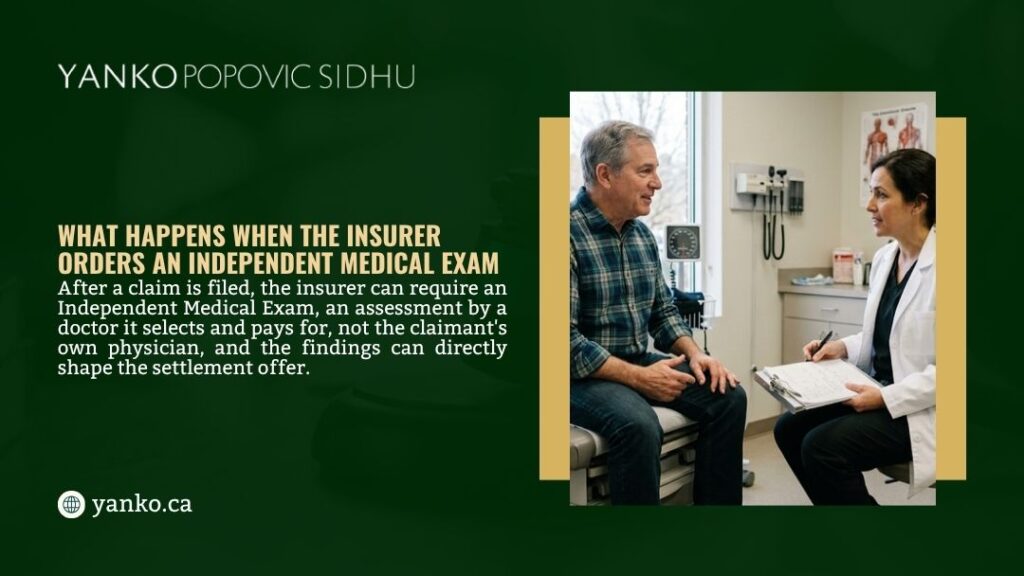
A minor accident should not be ignored just because the damage looks light. If your body hurts, your work is affected, your vehicle repair is disputed, or the insurance adjuster is pushing for quick answers, legal advice can protect you from avoidable mistakes.
So, should I call a lawyer after a minor car accident alberta? If there is any injury, lost income, medical treatment, fault dispute, or settlement offer on the table, the safer answer is yes. You do not have to commit to a lawsuit. You do not have to guess your claim value alone. You simply need clear advice before you sign away rights that may matter later.
Before you give a detailed statement, accept a quick settlement, or sign a release, consider speaking with a lawyer who handles Alberta personal injury claims every day. A short conversation can help you understand whether the claim is truly minor or whether the insurer is treating it that way too early.
Yanko Popovic Sidhu provides direct, lawyer-led support for injured Albertans. If you were involved in a motor vehicle accident and are unsure what to do next, contact the firm before accepting a settlement or assuming your claim is too small to matter. The right guidance at the start can make the rest of the claims process far less uncertain.