%20(1).png)
Construction Injury Lawyer in Calgary




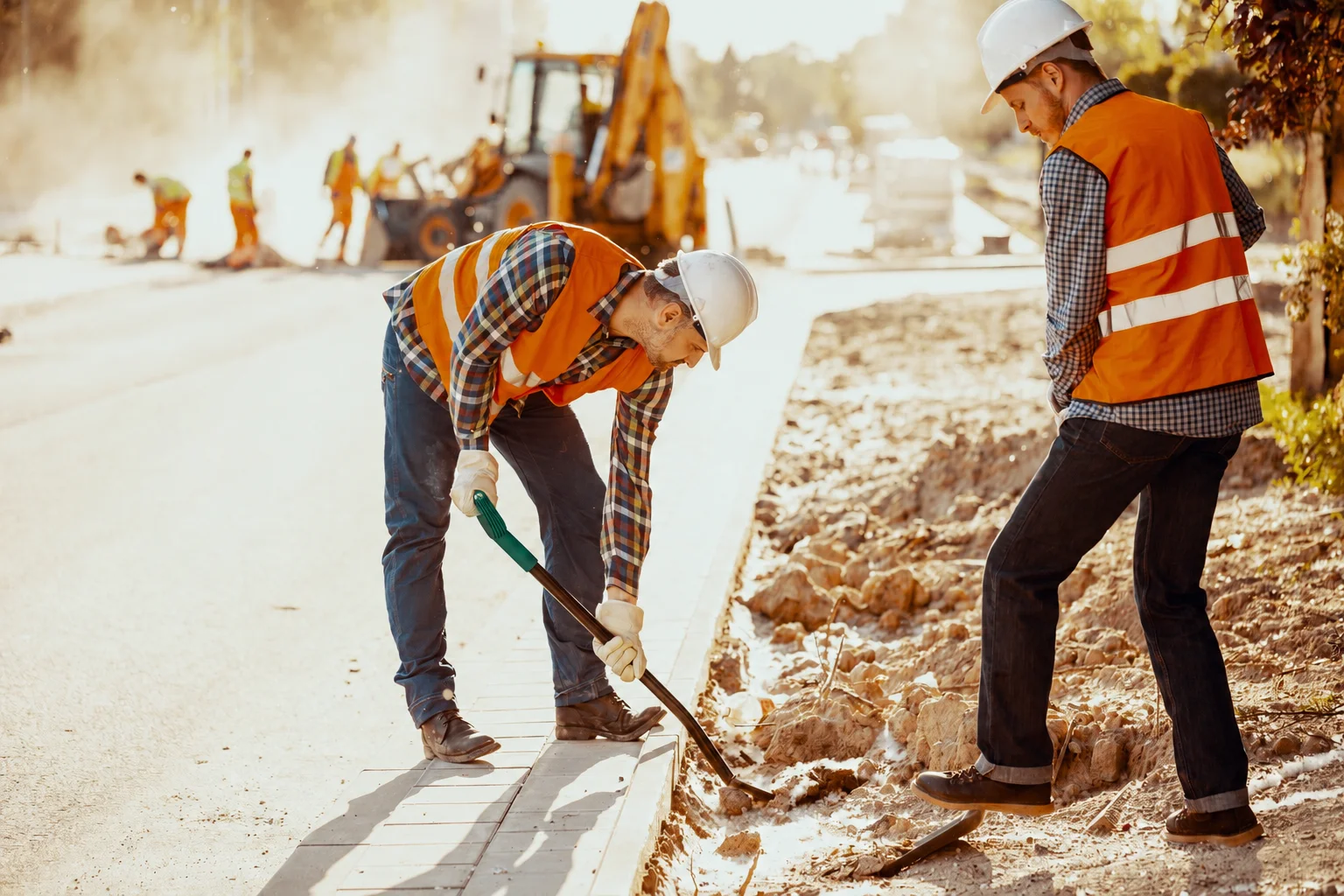
At Yanko Popovic Sidhu, we act for people seriously injured on and around construction sites.
As your construction accident lawyers
Yanko Popovic Sidhu and its predecessor firms have acted for injured Albertans for more than 40 years, and have represented thousands of clients over that time. Construction injuries are frequently severe. The first question in any construction injury is which system applies to it — and that question needs a proper answer before anything else happens.
Who we act for
We act for:
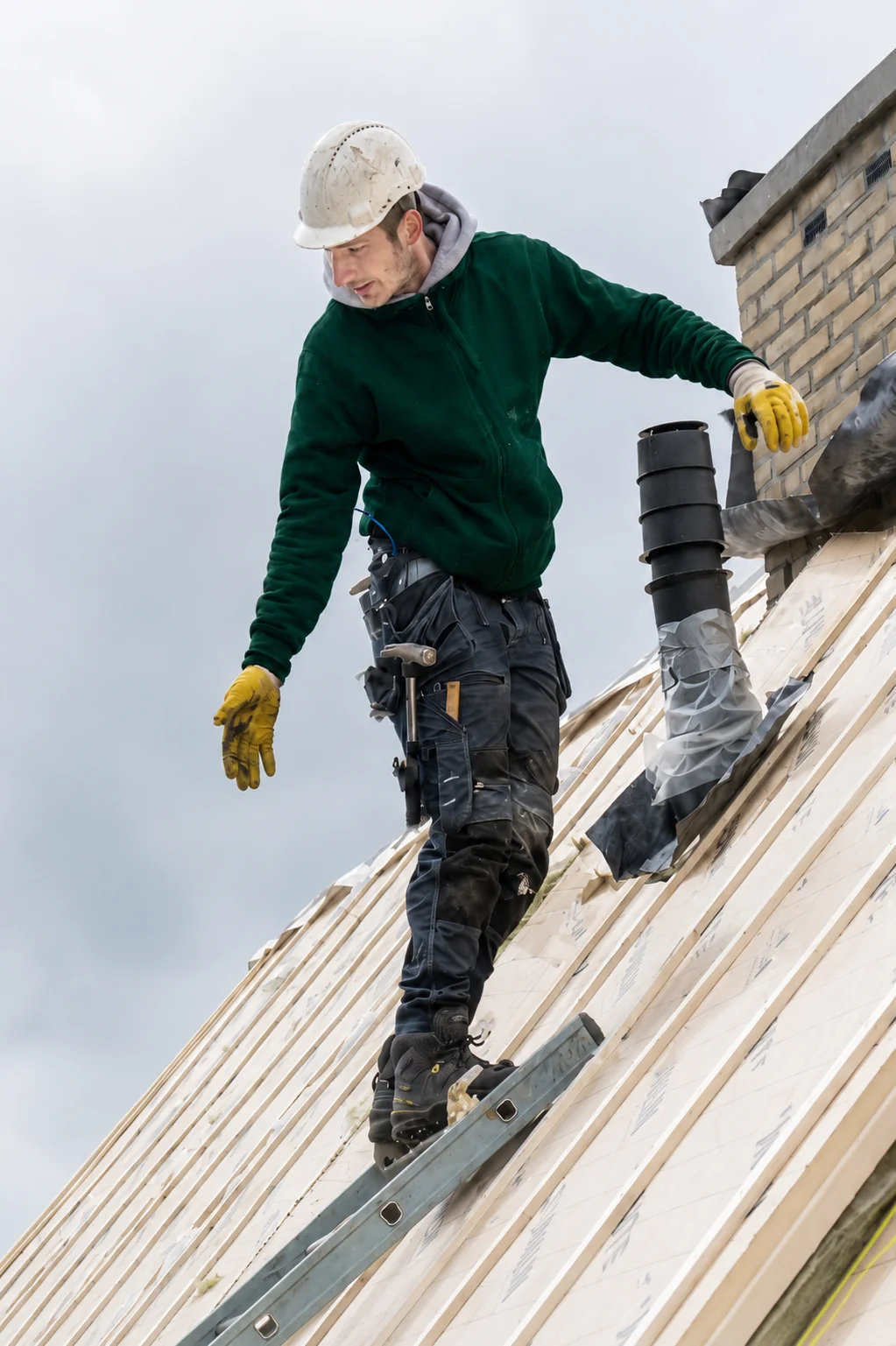
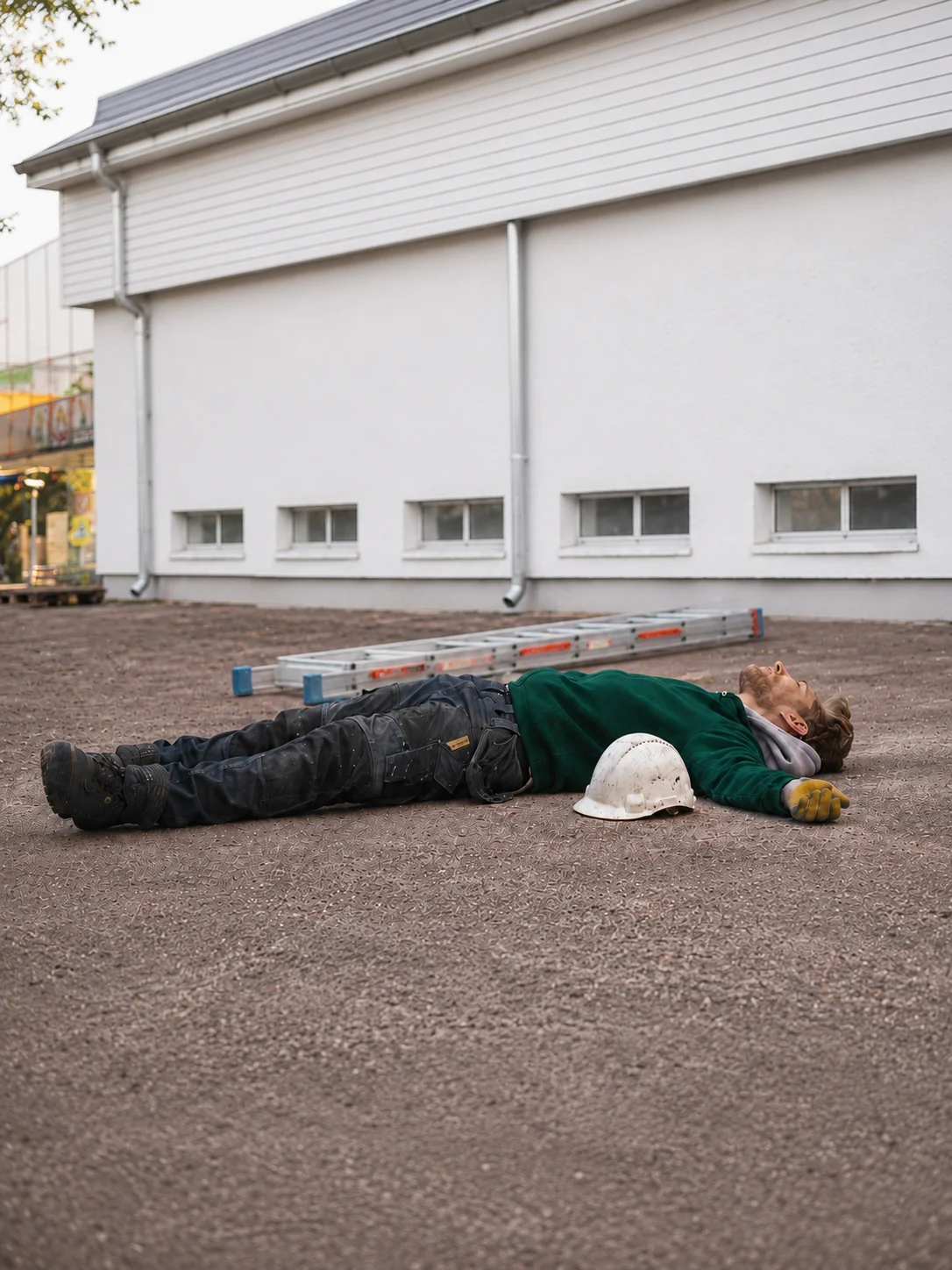
- People injured in falls from height, scaffolding and ladders
- People injured by equipment, machinery and vehicle movements on site
- People injured by falling objects and structural failures
- Members of the public injured by construction activity
- Families of people killed on construction sites
What these claims involve
 Working out the route firstAlberta's workers' compensation system covers a great many workplace injuries and operates on a no-fault basis, with benefits determined administratively rather than by a court. Whether a separate civil claim is also available depends on the circumstances and on who caused the injury. Getting this analysis right at the outset matters more than anything else on this page.Get in touch
- Claims involving parties outside the workplaceWhere an injury was caused by someone who is not part of the same workplace arrangement — a manufacturer of defective equipment, an unrelated contractor, or a driver — a civil claim may be available alongside or instead of the compensation route. The analysis is specific to the facts.Get in touch
- Members of the publicSomeone injured by construction activity who was not working there is generally in a straightforward civil claim against those responsible for the site and the activity.Get in touch
More than 40 years acting for injured Albertans



.webp)
Ask about the route before you assume
People injured on construction sites frequently assume either that they can sue, or that workers' compensation is their only option. Both assumptions are wrong often enough that the question deserves an answer from a lawyer rather than a guess. It costs nothing to ask and the answer shapes everything else.
.webp)
Site evidence has a short life
Scaffolding is struck, equipment is repaired or returned, and the site itself changes within days. Photographs taken immediately, the names of witnesses, and a written record of the equipment involved are worth more than anything reconstructed later.
.webp)
Occupational health and safety records are useful but separate
An OHS investigation or order is not a finding of civil liability, and a regulatory outcome does not decide a claim. That said, the investigation record, inspection history and the applicable Code requirements — for scaffolds and temporary work platforms, powered mobile equipment, or control of hazardous energy, depending on the incident — are frequently valuable evidence of what the standard required and whether it was met.
Frequently Asked Questions: Construction Accidents in Alberta
I was hurt at work on a construction site. Can I bring a claim?
It depends on the circumstances, and this is the first thing to establish. Alberta's workers' compensation system covers many workplace injuries and provides benefits without regard to fault, determined through an administrative process rather than a court. In some situations a civil claim against a party outside that arrangement is also available. Which applies to you turns on who caused the injury and how the workplace was structured, so it is worth getting advice rather than assuming.
What if I was not working there?
Someone injured by construction activity who was not employed on the project — a member of the public, a visitor, a driver passing the site — is generally in an ordinary civil claim against those responsible for the site and the activity that caused the injury. That may include the owner, the general contractor and any subcontractor whose work created the hazard.
How long do I have to start a claim in Alberta?
In most injury claims the period is two years — but it does not simply run from the date of the incident. It runs from the point at which you knew, or ought reasonably to have known, three things: that you were injured, that the injury was attributable to someone else's conduct, and that it was serious enough to warrant bringing a proceeding. A separate ten-year outer limit runs from when the claim arose, and whichever period expires first governs. Different rules apply to minors and to people under a disability. Because the analysis is fact-specific, the safe course is to ask early rather than assume.
What does it cost to hire a lawyer for this?
We act on a contingency fee basis, which means you pay no legal fees unless compensation is recovered. Disbursements — the out-of-pocket costs of running a file, such as medical records, expert reports and court filing fees — and applicable taxes may still apply. We will explain the arrangement in writing before you retain us.
Do you want help with your case?
Calgary, Alberta, T2E 8K4
Fri: 8 AM – 2 PM
Sat – Sun: Closed