How long to wait before settling injury claim depends on your recovery, medical evidence, and legal strategy, not a fixed timeline. In Alberta, most cases take months to years. Settling too early can reduce your compensation, especially if future care costs or lost income are unclear. This guide explains timelines, risks, and how to protect your claim.
How Long to Wait Before Settling Injury Claim?
In most cases, you should wait until you reach maximum medical improvement (MMI) before settling. This ensures your injuries, costs, and long-term impact are fully understood. Settling too early can permanently limit your compensation.
There’s no universal deadline for how long to wait before settling injury claim. But in most situations, you should wait until your condition stabilizes and the full impact of your injuries is clear. Why? Because once you accept a settlement, the case is closed. There’s no going back if complications show up later.
In practical terms, that means minor injuries might settle within a few months, moderate injuries often take close to a year, and serious or long-term injuries can take several years. The key idea is simple: timing affects value. Settling early often benefits the insurance company, not you.
Average Time to Settle a Personal Injury Case
The average time to settle a personal injury case varies depending on injury severity and legal complexity. Here’s what timelines usually look like:
| Case Type | Average Time |
| Minor soft tissue injuries | 3–6 months |
| Moderate injuries | 6–18 months |
| Serious injuries | 1–3 years |
| Litigation cases | 2–5 years |
When considering how long to wait before settling an injury claim, this table shows why patience often leads to stronger outcomes.
Data from the Canadian Institute for Health Information (CIHI) shows that injury-related hospitalizations are widespread in Canada, and many patients require prolonged rehabilitation and ongoing care after discharge, highlighting why recovery timelines can vary significantly depending on the severity of the injury. For example, serious injuries, such as brain trauma or spinal damage, often require months or longer to fully assess, especially when rehabilitation and long-term care are involved.
These timelines reflect the average personal injury settlement time, but every case has its own pace. In Alberta, delays often happen because of ongoing medical treatment, insurance disputes, and liability investigations.
Why You Should Never Rush a Settlement
Insurance companies often push for quick settlements. Sounds convenient, but here’s the problem. They’re not guessing. They know that early offers usually save them money.
If you settle too soon, future medical costs may not be covered, lost wages might be underestimated, and pain and suffering could be undervalued
Many claimants later realize they accepted far less than they deserved. In cases involving an insurance company’s lowball offer for a car accident, insurers may use adjuster tactics that lead to reduced settlement amounts, often before the full extent of damages is clear.
Key Factors That Affect Settlement Timeline
Severity of Injuries
A minor sprain heals quickly. A brain injury doesn’t. Severe injuries require long-term care, and that directly affects how long to wait before settling injury claim. For complex injuries, consulting a brain injury lawyer or spinal cord injury lawyer can make a measurable difference in outcome.
Medical Treatment and Recovery
Settlement should only happen after your doctor understands your long-term condition. This includes diagnosis, treatment progress, and future care needs. Without this, your claim lacks evidence.
Insurance Company Strategy
Insurance providers may delay communication, deny liability, and shift blame during the claims process. If your claim stalls, it is often a deliberate tactic rather than an oversight. Situations where insurance denied my car accident claim typically follow a pattern of prolonged responses, disputed fault, or requests for excessive documentation that slow progress and create pressure on the claimant.
Fault and Liability
Alberta follows contributory negligence rules. That means compensation can be reduced if you share fault. Understanding liability is essential.
Legal Representation
Unlike larger firms, where cases are passed between staff or case managers, some law firms provide direct lawyer-to-client access from day one. This means your case is handled by experienced lawyers, not filtered through layers of administration.
That hands-on approach often leads to stronger negotiation, clearer strategy, and better timing decisions when determining how long to wait before settling an injury claim.
Working with an experienced car accident lawyer in Calgary can speed up negotiations and increase compensation. Lawyers handle evidence gathering, negotiation, and legal strategy. Without one, you’re negotiating directly with professionals trained to minimize payouts.
How Long Does It Take to Settle a Car Accident Claim in Alberta?
Many people search for how long it takes to settle a car accident claim. In Alberta, the answer depends on several moving parts. Most car accident claims follow this path:
- Filing the claim
- Medical treatment
- Evidence collection
- Negotiation
- Settlement or litigation
On average:
- Simple claims: 6–12 months
- Complex claims: 1–3 years
So if you’re wondering how long a car accident settlement should take, the honest answer is: long enough to fully understand your losses.
Settlement vs Lawsuit Timeline
People often assume a claim will wrap up quickly, but the path you take makes a big difference. Settlements tend to move faster. Lawsuits, on the other hand, slow everything down. Here’s a simple comparison:
| Stage | Settlement | Lawsuit |
| Negotiation | Faster | Slower |
| Court involvement | No | Yes |
| Time | Months | Years |
| Risk | Lower | Higher |
When a case enters litigation, timelines extend significantly. If you’re asking how long does an accident lawsuit take, expect multiple years depending on court schedules and case complexity.
When Is the Right Time to Settle?
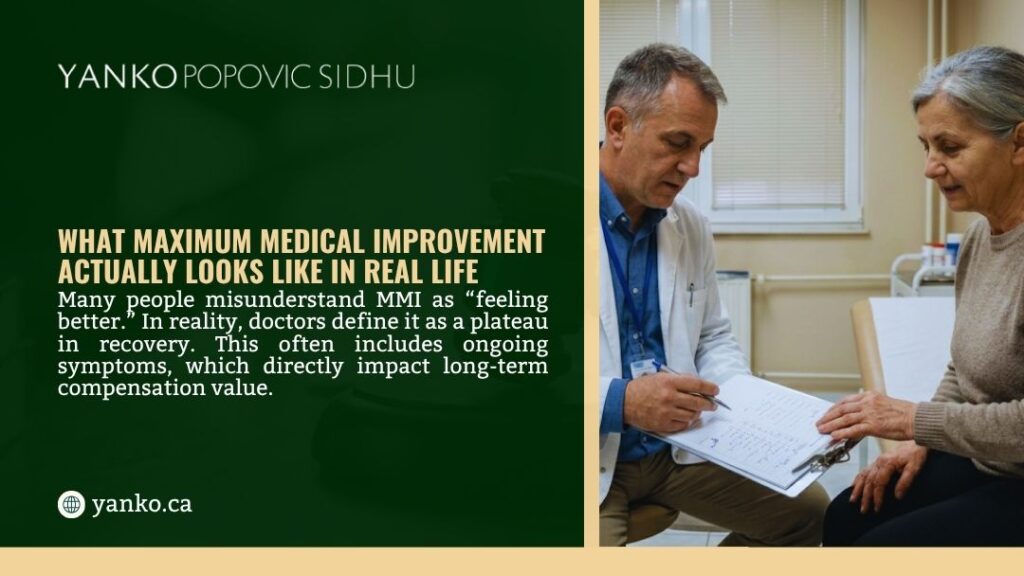
The right time comes when three things are clear: Your medical condition has stabilized, liability is established, and financial losses are fully calculated. This stage is often called maximum medical improvement (MMI).
Most personal injury claims should not be settled until the injured person reaches maximum medical improvement, ensuring all damages are properly evaluated. In real life, this isn’t always obvious. Some people feel better but still have lingering issues. That’s where experience matters, knowing when good enough actually means safe to settle.
Why Waiting Too Long Can Also Hurt Your Claim
Most advice focuses on not rushing. That’s fair. But waiting too long has its own problems. Over time, things change: Evidence doesn’t stay fresh forever, witnesses forget details, and financial pressure builds quietly.
There’s also a legal side. In Alberta, you generally have two years to take action under the Limitations Act. Miss that window, and your claim may not go anywhere, no matter how strong it once was.
So, how long to wait before settling an injury claim really comes down to a balance. Too early hurts. Too late can be too.
Mistakes That Delay or Reduce Your Settlement
Some mistakes don’t seem serious at the time, but they can quietly affect your claim later.
| Mistake | What It Can Lead To |
| Accepting the first offer | Less compensation than expected |
| Skipping or delaying treatment | Questions about injury severity |
| Missing documents | Slower process |
| Talking to insurers alone | Unfavorable statements used later |
| Waiting without action | Risk of missing deadlines |
A lot of these issues happen when people try to manage everything themselves. It’s understandable, but it’s also where things start slipping through the cracks.
Working directly with a lawyer, instead of going through layers of staff, tends to keep things clearer and more consistent from the start.
Alberta-Specific Considerations
Every province handles injury claims a bit differently. Alberta has its own set of rules, and they do affect timing. Some of the key ones:
- Caps on certain minor injuries
- Insurance frameworks that limit payouts
- Shared fault rules that can reduce compensation
For example, the soft tissue injury cap Alberta and whiplash settlement cap Alberta can limit compensation in certain cases. These aren’t always obvious at first glance. But they can shape both how long a claim takes and what it’s ultimately worth. That’s why local experience matters more than people think.

How a Personal Injury Lawyer Helps You Time Your Settlement
A lawyer’s role isn’t just about arguing or negotiating. Timing is a big part of it. And here’s something people don’t always realize:
In some firms, your case gets passed around by assistants, case managers, and different contacts. In others, you deal directly with the lawyer handling your file from beginning to end. That difference matters.
When the same lawyer follows your case, decisions tend to be more consistent, details don’t get lost, and timing becomes more strategic. It’s not about speed. It’s about getting the timing right.
If you’re exploring the process, this personal injury claims guide is a useful starting point, along with insights on personal injury settlement and pain and suffering compensation.
Real Example Settlement Timelines
No two cases follow the same path, but patterns do show up.
| Scenario | Timeline | Outcome |
| Minor whiplash | 4-6 months | Lower payout |
| Fracture injury | 12 months | Moderate payout |
| Brain injury | 3 years | High compensation |
The pattern is consistent: longer timelines often lead to better compensation, because the full impact becomes clear.
How to Speed Up Your Injury Claim Without Losing Value
You don’t need to rush the process to keep things moving. What tends to help most is consistency: Following treatment plans, keeping records organized, and getting guidance early
Delays usually don’t come from the system alone; they come from missing pieces. When everything is clear and documented, things move more smoothly.
FAQs
How long to wait before settling injury claim after an accident?
Usually, until your recovery stabilizes and doctors understand your long-term condition. That could be months or longer.
How long to wait before settling an injury claim if the injuries feel minor?
Even minor injuries can develop later. It’s safer to wait until recovery is confirmed.
How long to wait before settling injury claim with insurance pressure?
Pressure shouldn’t decide timing. Settling too early often leads to lower compensation.
How long to wait before settling injury claim if treatment is ongoing?
You should wait until treatment reaches a stable point. Otherwise, future costs may be missed.
How long to wait before settling an injury claim when the fault is unclear?
It’s better to wait until the liability is clearer. Settling too early in disputed cases can reduce your outcome.
How long to wait before settling an injury claim if symptoms return later?
If symptoms are still changing, it’s usually too early to settle. Stability matters more than speed.

What This Means for Your Case
So, how long to wait before settling injury claim? Long enough to understand your injuries, your losses, and your future. That might feel frustrating. But here’s the thing: settling too soon can cost far more than waiting a little longer.
If you’re unsure about timing, speaking with experienced personal injury lawyers can help you make a clear, informed decision. The right guidance can protect your claim and ensure you receive the compensation you deserve.If your case involves a car accident, serious injury, or insurance dispute, it may be worth discussing your options with a legal team that handles these cases every day.