Insurance adjuster tactics for car accidents rarely feel aggressive at first. They sound reasonable, even helpful. In this guide, we explain how insurance adjuster tactics car accident claims actually work in Alberta, what they mean for your compensation, and how to respond without damaging your case.
Understanding Insurance Adjuster Tactics Car Accident
After a collision, the insurance adjuster often becomes the first professional voice you hear. That phone call feels routine. It isn’t. Insurance adjuster tactics car accident claims follow a predictable playbook designed to control cost, shorten files, and limit payouts. That’s not speculation; it’s how insurance companies manage risk.
A claims adjuster does not exist to calculate what your injury is worth in a human sense. Their role is to protect the insurance company’s financial exposure. Everything said during a phone call, every medical authorization signed, and every delay accepted feeds that objective. And that’s why insurance adjuster tactics car accident cases tend to follow the same patterns across Alberta.
Why do insurance adjusters use these tactics?
Insurance companies operate on volume and predictability. Each adjuster manages dozens, sometimes hundreds, of open files. Car accident claims represent cost, not service. So insurers train adjusters to gather information early, shape the narrative, and push settlements before the full impact of injuries becomes clear.
This can help you understand why the adjuster sounds polite but persistent. Friendliness lowers resistance. The urgency narrows your options. And the documentation requests widen their access to your life. None of this requires dishonesty to be effective. Subtle framing often does the job.
What Happens Before the First Phone Call Matters More Than You Think
Before dealing with insurance, the most important variable is medical treatment. Gaps in care, delays in seeing a doctor, or casual statements about feeling okay often reappear later as reasons to reduce compensation. Medical bills, diagnostic imaging, and consistent treatment records form the backbone of any personal injury claim.
Property damage usually moves faster. Vehicles get repaired or written off quickly. Injury claims move more slowly by design. Confusing the two timelines often leads people to believe their case is nearly over when, medically, it has barely started.
The first 72 hours after a car accident in Alberta
| Action | Why does it matter later |
| Seek medical treatment promptly | Links injuries directly to the collision |
| Document symptoms daily | Prevents claims of exaggeration |
| Limit insurance communication | Reduces recorded admissions |
| Avoid signing medical authorizations | Prevents unrestricted access to records |
| Keep everything in writing | Preserves evidence |
Common tactics used by insurance adjusters
Insurance adjuster tactics car accident claims usually surface in familiar ways. Each tactic works because it feels ordinary.
The friendly helper routine
Adjusters often begin by building rapport. Casual conversation leads to casual admissions. A comment about being sore but okay can later undermine claims for ongoing pain and suffering compensation.
Recorded statement pressure
A recorded statement is rarely neutral. Questions get framed to lock in details before you understand your injuries. Once recorded, that version becomes the baseline, even if medical evidence later evolves. You are not required to give one immediately, despite how the request sounds.

Blanket medical authorization requests
This may be the most damaging tactic. Blanket medical authorizations allow insurance companies to access years of medical records, including unrelated conditions. Pre-existing conditions then become a tool to minimize or deny claims, even when the accident clearly aggravated or caused new injuries.
Lowball settlement offers
Early offers arrive before treatment stabilizes. They sound generous because future medical bills and long-term limitations remain unknown. Accepting early almost always closes the door on additional compensation.
Delay, deny, defend
Delays exhaust claimants. Denials pressure them. Defenses complicate the process. Together, these tactics insurance companies use rely on time and frustration to lower settlement expectations.
Blame shifting
Adjusters often ask questions that imply shared fault. Alberta follows a contributory negligence model, meaning even partial blame can reduce compensation. Casual speculation becomes leverage later.
Social media monitoring
Photos, posts, or comments get misinterpreted. A single image can be framed as proof you’re not injured, regardless of context.
Insurance adjuster tactics and safer responses
| Tactic | What they want | Safer response |
| Recorded statement | Early narrative control | Request written questions |
| Medical authorization | Broad medical history | Provide limited records only |
| Quick settlement | File closure | Wait until treatment stabilizes |
| Delay tactics | Claimant fatigue | Set written follow-ups |
| Blame questions | Fault admission | Stick to documented facts |
How real conversations quietly shape claims
Most damage happens during informal exchanges. A phone call feels harmless. It isn’t. Short responses work best. Declining a recorded statement politely but firmly keeps control on your side. Asking for everything in writing creates accountability.
Emails matter too. Confirming receipt of documents, asking for policy sections, and summarizing conversations in writing prevent misunderstandings from becoming your words later.
There are also things never to say, even if true. Guessing speeds, apologizing reflexively, or minimizing pain out of politeness can all resurface later as reasons to reduce a personal injury settlement.
Understanding Claim Value Before Negotiation Starts
Insurance adjuster tactics car accident claims succeed most often when claimants don’t understand the value. Compensation includes medical bills, future care, lost income, property damage, and non-pecuniary damages tied to pain and loss of enjoyment of life.
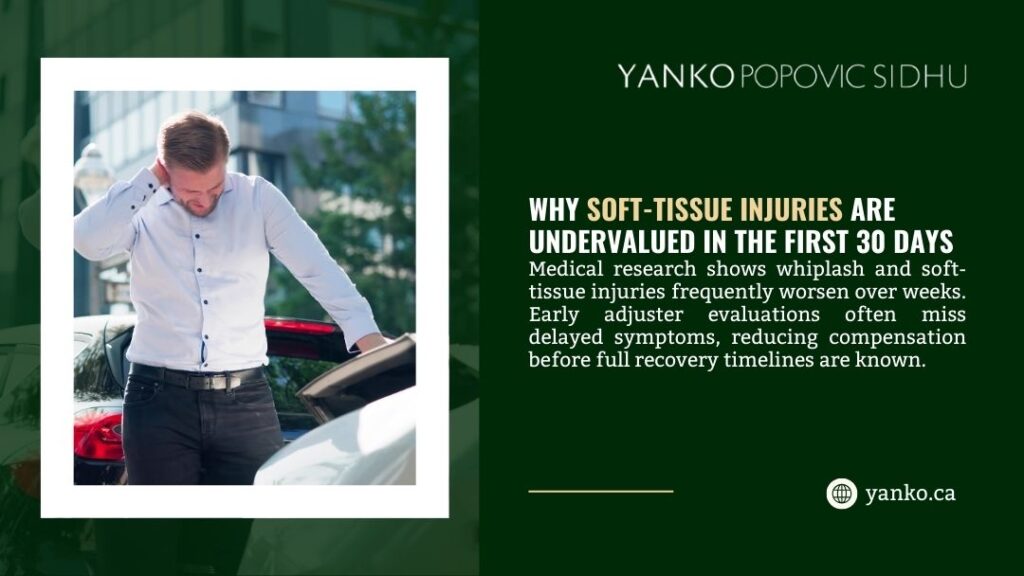
Quick settlements ignore future treatment. Soft tissue injuries, back injuries, and brain injuries often evolve over months. Once a release is signed, there’s no reopening the file.
| Damage type | Examples | Supporting proof |
| Medical expenses | Treatment, therapy, medication | Invoices, reports |
| Income loss | Missed work, reduced capacity | Employer records |
| Non-pecuniary loss | Pain, lifestyle impact | Medical opinions |
| Future care | Ongoing rehab | Prognosis reports |
Alberta-Specific Protections People Overlook
Alberta provides clear post-collision guidance, including the importance of not admitting fault and documenting injuries early. Where many people stumble is in assuming insurers follow the same priorities. They don’t. Consumer protection rules exist, but they don’t prevent insurers from using delay or pressure tactics within those rules.
Understanding when to escalate matters or seek advice becomes crucial once liability is questioned, medical treatment continues, or communication breaks down.
A practical Alberta timeline that keeps you out of traps
Insurance adjuster tactics car accident claims often succeed because the first month feels chaotic. A timeline makes the process calmer and more defensible.
| Time window | What matters most | Why does it undermine common insurer tactics |
| First 24 hours | Safety, photos, names, initial report steps | Limits later blame shifting and “no evidence” arguments |
| First week | Medical treatment, symptom notes, and written communication | Prevents “you weren’t hurt” narratives and reduces recorded statement pressure |
| First month | Consistent records, wage loss proof, and repair documentation | Cuts down delay tactics, supports settlement value, blocks lowball anchoring |
When Legal Guidance Becomes Essential
Certain situations make professional help more than advisable. Serious injuries, disputed liability, denied claims, or pressure to settle early all signal risk. Alberta-specific representation matters because local insurers, courts, and settlement norms shape outcomes.
Many injured drivers first seek help through a Calgary car accident lawyer when adjuster tactics escalate, and communication turns adversarial. Others discover issues only after motorcycle collisions, where insurers often dispute severity, guiding people to consult a motorcycle accident lawyer.
In hit-and-run cases, coverage disputes push victims toward a hit-and-run lawyer. Pedestrian claims frequently involve fault arguments, which is why some rely on a pedestrian accident lawyer familiar with Alberta liability rules.
Each situation carries its own pressure points, and adjusters know them well.
Questions People Ask Right Before Accepting a Bad Deal
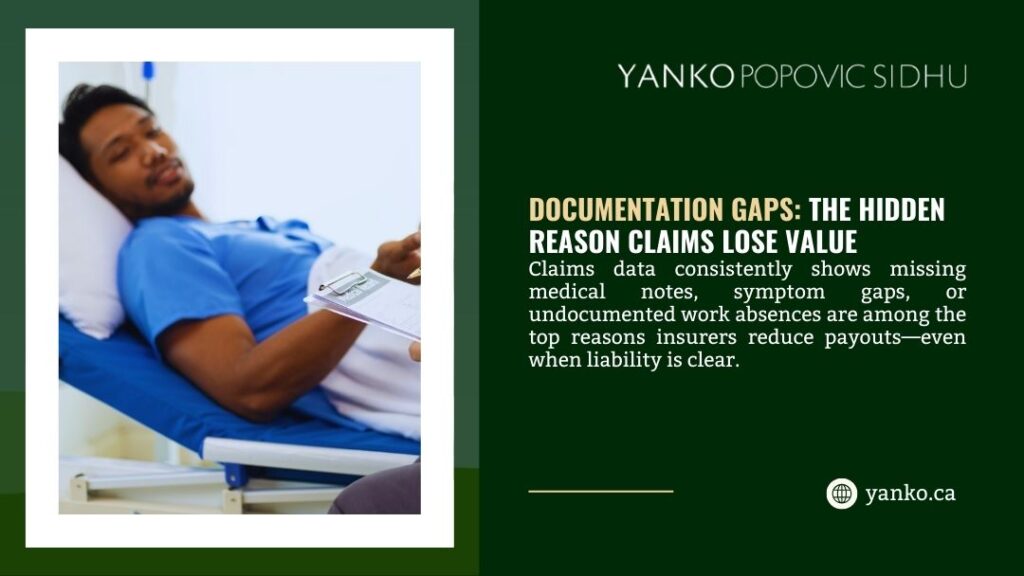
Should you accept the first offer? Rarely. Early offers reflect incomplete information. What if insurance denied your car accident claim? Denials often hinge on documentation gaps, not final determinations. Do you have to sign medical authorizations? Only limited, relevant ones. What if the insurance company is blaming you? Partial fault doesn’t erase compensation, but it does change strategy. These moments define whether insurance adjuster tactics car accident claims succeed or fail.
Where Your Claim Goes From Here
Insurance adjuster tactics car accidents are not random. They follow a structure built on timing, information control, and pressure. Knowing how they work helps you slow the process down, protect your medical records, and avoid decisions that can’t be undone.
If the process starts to feel one-sided, that’s often the signal to pause, document everything, and seek guidance before signing or settling. Taking that step early can preserve compensation that otherwise disappears quietly, one phone call at a time.
For Alberta drivers facing insurer resistance or confusing settlement offers, reviewing options through an experienced personal injury law firm in Calgary can clarify where leverage exists and how to protect long-term recovery.